

Showing posts with label Hazardous Materials. Show all posts
Showing posts with label Hazardous Materials. Show all posts
Monday, September 7, 2020
OSHA Rule On Beryllium Effective September 30, 2020
OSHA is amending its existing construction and shipyard standards for occupational exposure to beryllium and beryllium compounds to clarify certain provisions and simplify or improve compliance. These changes are designed to accomplish three goals: to more appropriately tailor the requirements of the construction and shipyards standards to the particular exposures in these industries in light of partial overlap between the beryllium standards' requirements and other OSHA standards; to aid compliance and enforcement across the beryllium standards by avoiding inconsistency, where appropriate, between the shipyards and construction standards and recent revisions to the general industry standard; and to clarify certain requirements with respect to materials containing only trace amounts of beryllium. This final rule does not affect the general industry beryllium standard.
https://www.calthacompany.com/uncategorized/new-osha-rule-on-berylium-effective-september-30/
Caltha LLP provides specialized expertise to clients in the evaluation environmental rules, developing EHS compliance procedures, and preparing cost-effective EHS management programs.
For further information contact Caltha LLP at
info@calthacompany.com or Caltha LLP Website

Saturday, August 11, 2018
Why Needs a FRP? Is a FRP the Same As a SPCC Plan?
What is a Facility Response Plan?
Under the federal Oil Pollution Prevention Act rules, certain facilities are required to prepare a Facility Response Plan or FRP. An FRP is an enhanced spill preparedness and response plan. Key elements of a FRP include:- Emergency Response Action Plan, maintained as astand-alone section of the overall plan
- Facility information, including its name, type, location, owner, operator information
- Emergency notification, equipment, personnel, and evacuation information
- Identification and analysis of potential spill hazards and previous spills
- Discussion of small, medium, and worst-case discharge scenarios and response actions
- Description of discharge detection procedures and equipment
- Detailed implementation plan for response, containment, and disposal
- Description and records of self-inspections, drills and exercises, and response training
- Diagrams of facility site plan, drainage, and evacuation plan
- Security (e.g., fences, lighting, alarms, guards, emergency cut-off valves and locks, etc.)
- Response plan coversheet
If I Already Have An SPCC Plan Do I Need A FRP?
Possibly; All FRP facilities need am SPCC Plan, but not all SPCC facilities need a FRP. Although Facility Response Plans (FRPs) and SPCC Plans are different and should be maintained as separate documents, some sections of the plans may be the same. The revised Oil Pollution Prevention regulation allows the facility owner or operator to reproduce and use those sections of the SPCC Plan in the FRP.Who Needs To Prepare A Facility Response Plan?
Facilities that could reasonably be expected to cause "substantial harm" to the environment by discharging oil into or on navigable waters are required to prepare and submit Facility Response Plans (FRPs). Facilities that could cause "significant and substantial harm" are required to have their plans approved by an EPA Regional Administrator. The criteria for "substantial harm" are:- has a total oil storage capacity greater than or equal to 42,000 gallons and it transfers oil over water to/from vessels; or
- has a total oil storage capacity greater than or equal to 1 million gallons and meets one of the following conditions:
- does not have sufficient secondary containment for each aboveground storage area.
- is located at a distance such that a discharge from the facility could cause "injury" to fish, wildlife, and sensitive environments.
- is located at a distance such that a discharge from the facility would shut down a public drinking water intake.
- has had, within the past five years, a reportable discharge greater than or equal to 10,000 gallons.
Caltha LLP assists facilities subject to the Oil Pollution Prevention Act to prepare and maintain SPCC Plans and Facility Response Plans. Click here for more information on EH&S plan services.
Monday, April 23, 2018
REACH, ROHS, Prop 65 and Other Chemical Compliance Certifications
Caltha LLP Project Summary
Project: Certification of REACH, ROHS, Prop 65, Conflict Minerals, Biocidal Products ComplianceClient: Component Manufacturer
Location(s): Minnesota
Key Elements: EU Chemical Regulations, California Proposition 65 Labeling, Conflict Minerals Compliance Certifiaction
Overview: Caltha LLP was retained by this component manufacturer to compile compliance documentation and to prepare Certification of Compliance. Certification of compliance was required by customers who purchased manufactured components and incorporated them into their final products which were exported to the European Union and other areas.

Caltha prepared a certification form and background information to be completed by raw material suppliers that allowed each supplier to provide an informed certification statement regarding presence/absence of regulated chemical substances, and if present, documentation that concentrations are below regulatory thresholds.

Wednesday, March 14, 2018
Can I Throw Empty Pesticide Spray Cans In Trash?
How Are Spent Aerosols Containing Pesticides Regulated?
Hazardous waste aerosol cans that contain pesticides are also subject to the requirements of Federal Insecticide, Fungicide, and Rodenticide Act (FIFRA), including compliance with the instructions on the label. In general, the statement on aerosol pesticide product FIFRA labels prohibits the puncturing of the cans. However, in April 2004, EPA issued a determination that puncturing aerosol pesticide containers is consistent with the purposes of FIFRA and is therefore lawful pursuant to FIFRA section 2(ee)(6) provided that the following conditions are met:- The puncturing of the container is performed by a person who, as a general part of his or her profession, performs recycling and/or disposal activities;
- The puncturing is conducted using a device specifically designed to safely puncture aerosol cans and effectively contain the residual contents and any emissions thereof; and
- The puncturing, waste collection, and disposal, are conducted in compliance with all applicable federal, state and local waste (solid and hazardous waste) and occupational safety and health laws and regulations.
Saturday, February 24, 2018
Total Toxic Organics Management Plan For Metal Finisher
Caltha LLP Project Summary
Project: Total Toxic Organics Management Plan For Metal FinisherClient: Metal Finishing Company
Location(s): Minnesota
Key Elements: Total Toxic Organics Management Plan, SPCC Plan
Overview: This metal finishing was subject to Categorical Effluent Guidelines. In lieu of monitoring wastewater discharges for the full list of “Total Toxic Organics” the facility opted to prepare and implement a Total Toxic Organic Management Plan (TTOMP) for the site. Caltha was contracted to prepare the TTOMP for the facility. The TTOMP included:
• Inventory and description of TTO compounds used in the electroplating or finishing processes, and degreasing processes;
• Inventory and description of regulated processes where TTO compounds are used;
• Description of disposal methods for materials and wastes that contain TTO compounds;
• Description of controls used to limit or eliminate the discharge of TTO compounds to the sanitary sewer.
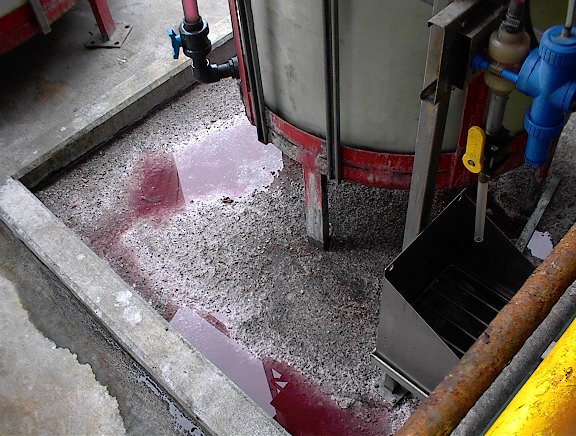
Spilled Corrosive Liquid From Aboveground Tank
The TTOMP was combined with a Facility Spill Plan which included processes and containers not specifically addressed under the Effluent Guidelines. Caltha prepared a spill control plan for the site to minimize and control spills from areas where liquids are stored, transferred and used. The spill plan included:
1. Inventory and description of chemical storage and process tanks;
2. Description of batch discharges to sanitary sewer;
3. Description of controls and procedures to prevent entry of chemicals and other restricted materials and wastes from entering the sanitary sewer;
4. Emergency notification procedures;
For more information on Caltha LLP services, go to the Caltha Contact Page
Caltha LLP | Your EH&S Compliance, Auditing
and EMS/SMS Partner
Thursday, February 22, 2018
Most Common Mistakes In Tank Secondary Containment
Common Problems With Secondary Containment
Missing Secondary Containment
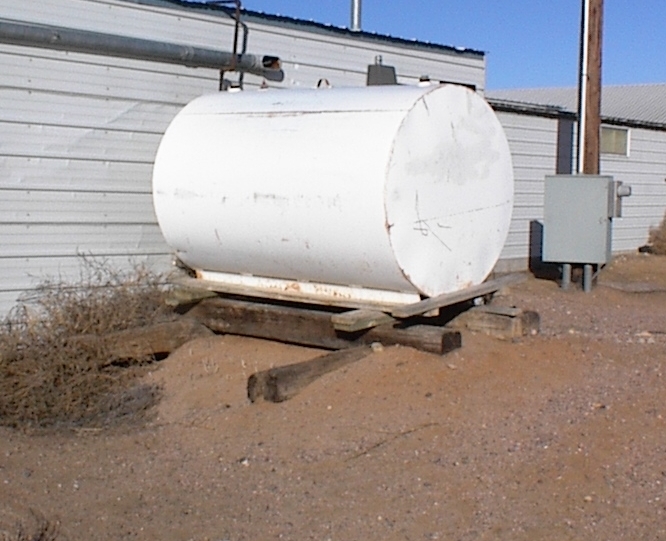
Fuel Tank Without Containment Or Proper Support
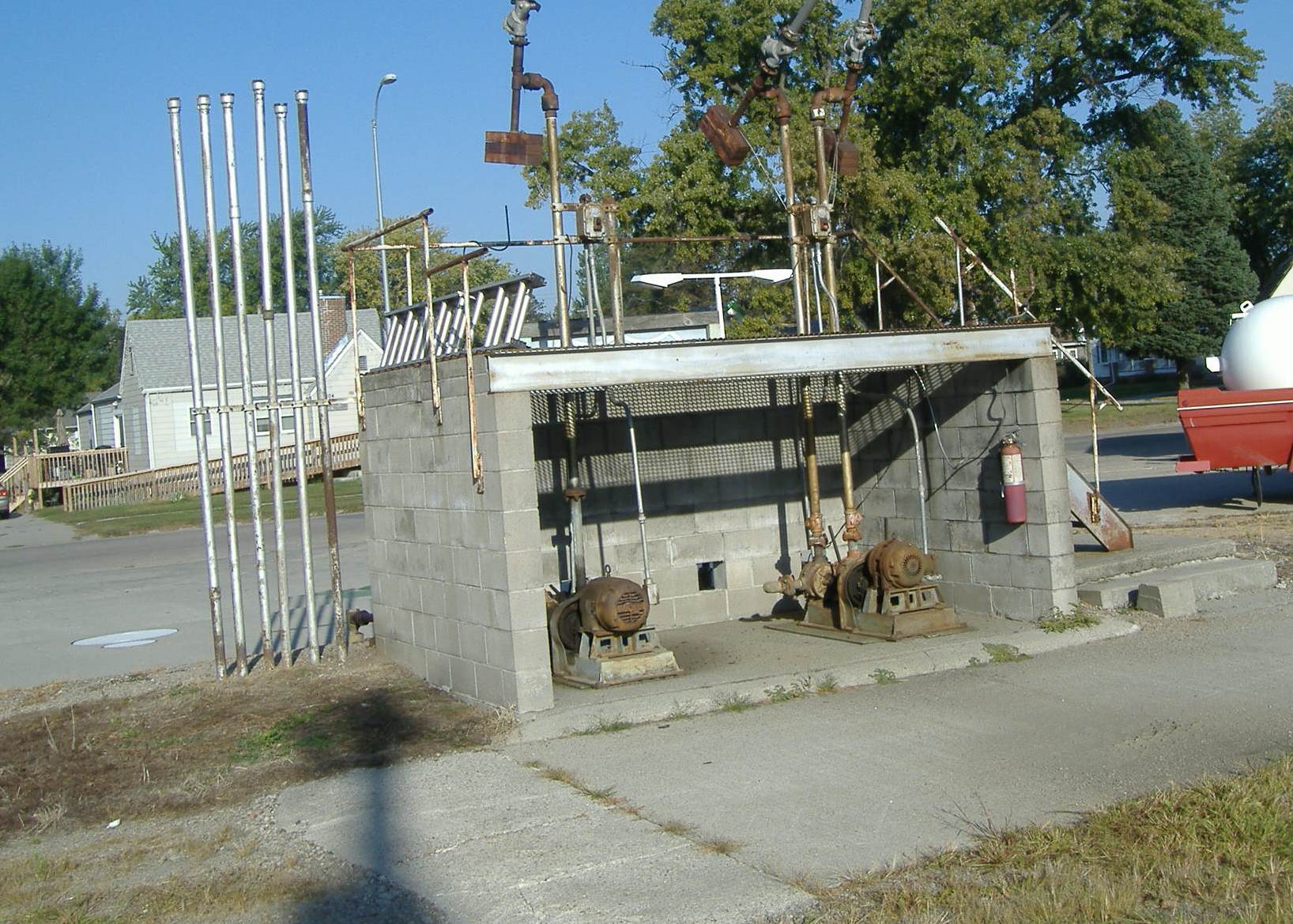
Fuel Loading Area Without Secondary Containment
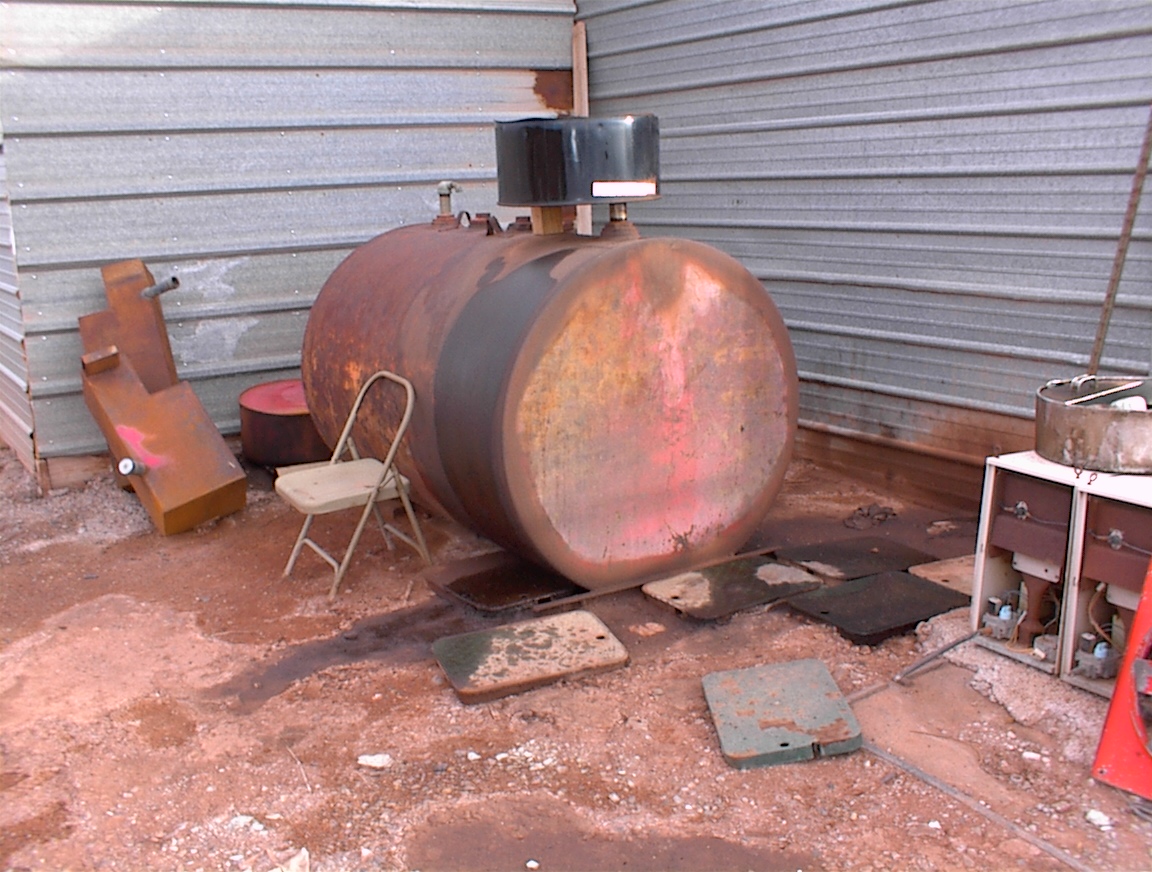
Leaking Used Oil Storage AST Observed During
Facility Inspection
Inadequate Volume Containment
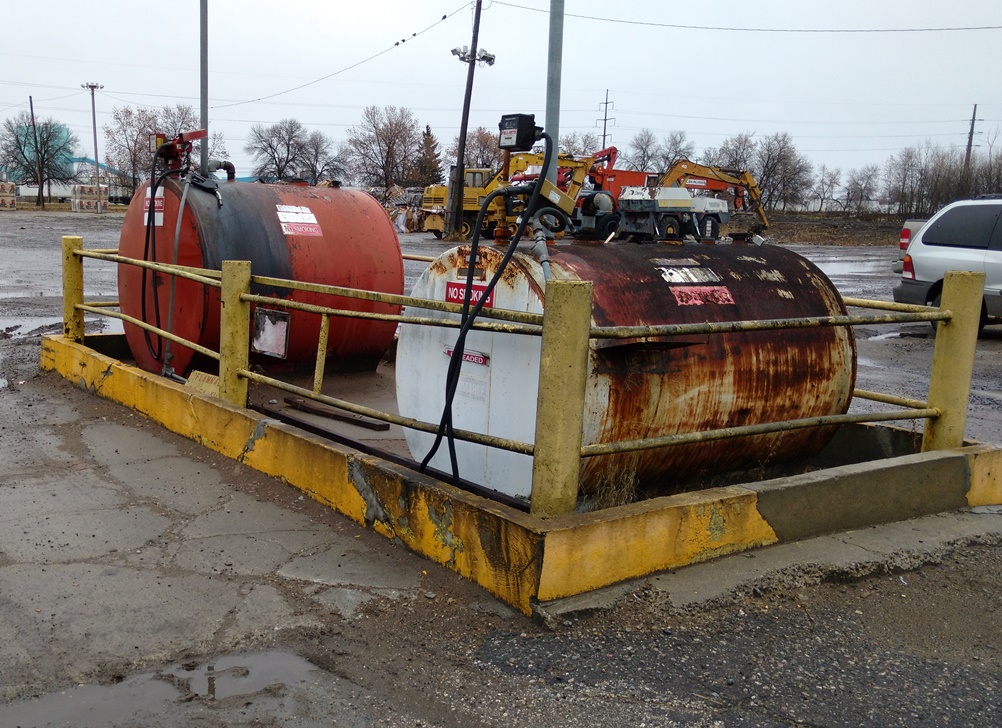
Environmental Inspection Finds Leaking Tanks
And Pumps In Refueling Area
Wrong Material
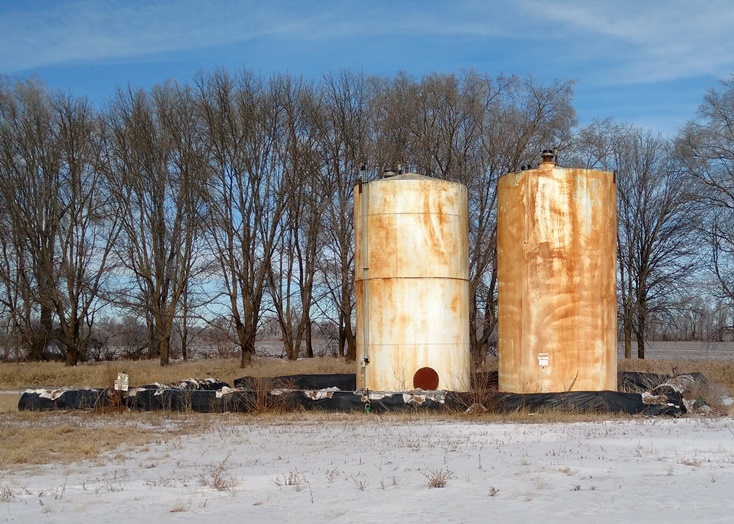
Bulk Fuel Storage With Hay Bale
Secondary Containment
Missing or Inadequate Maintenance
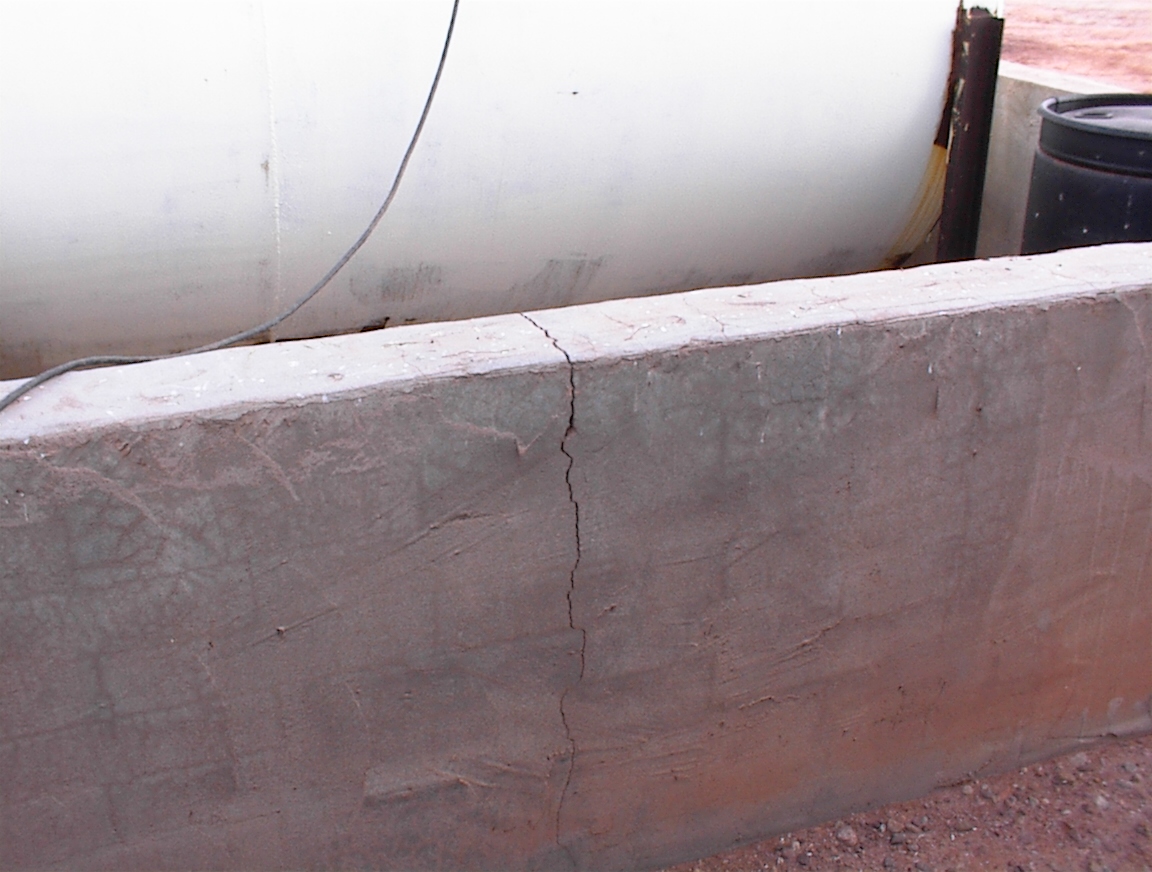
Cracked Secondary Containment Wall Identified
During SPCC Inspection
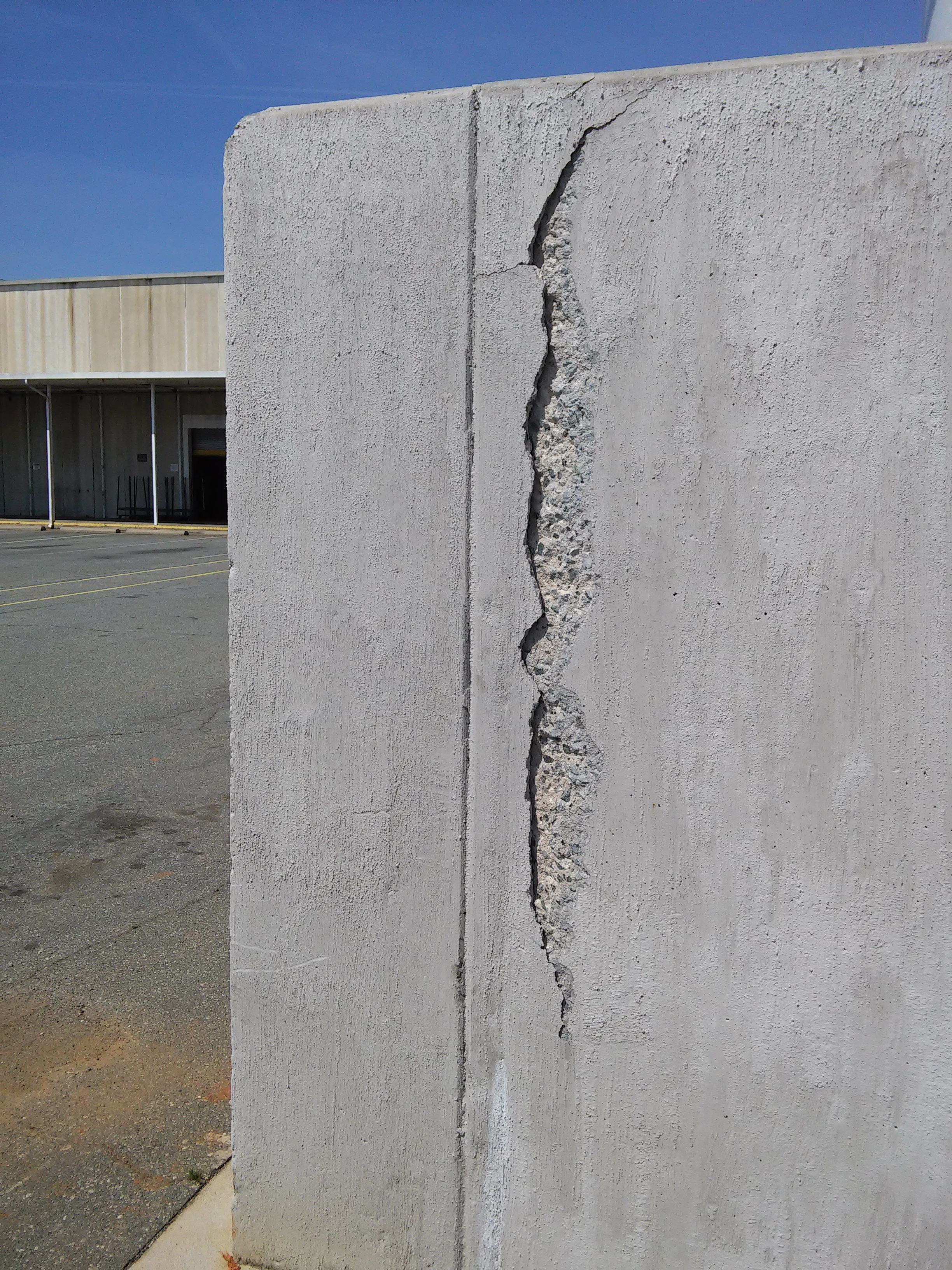
Damaged Oil Storage Containment
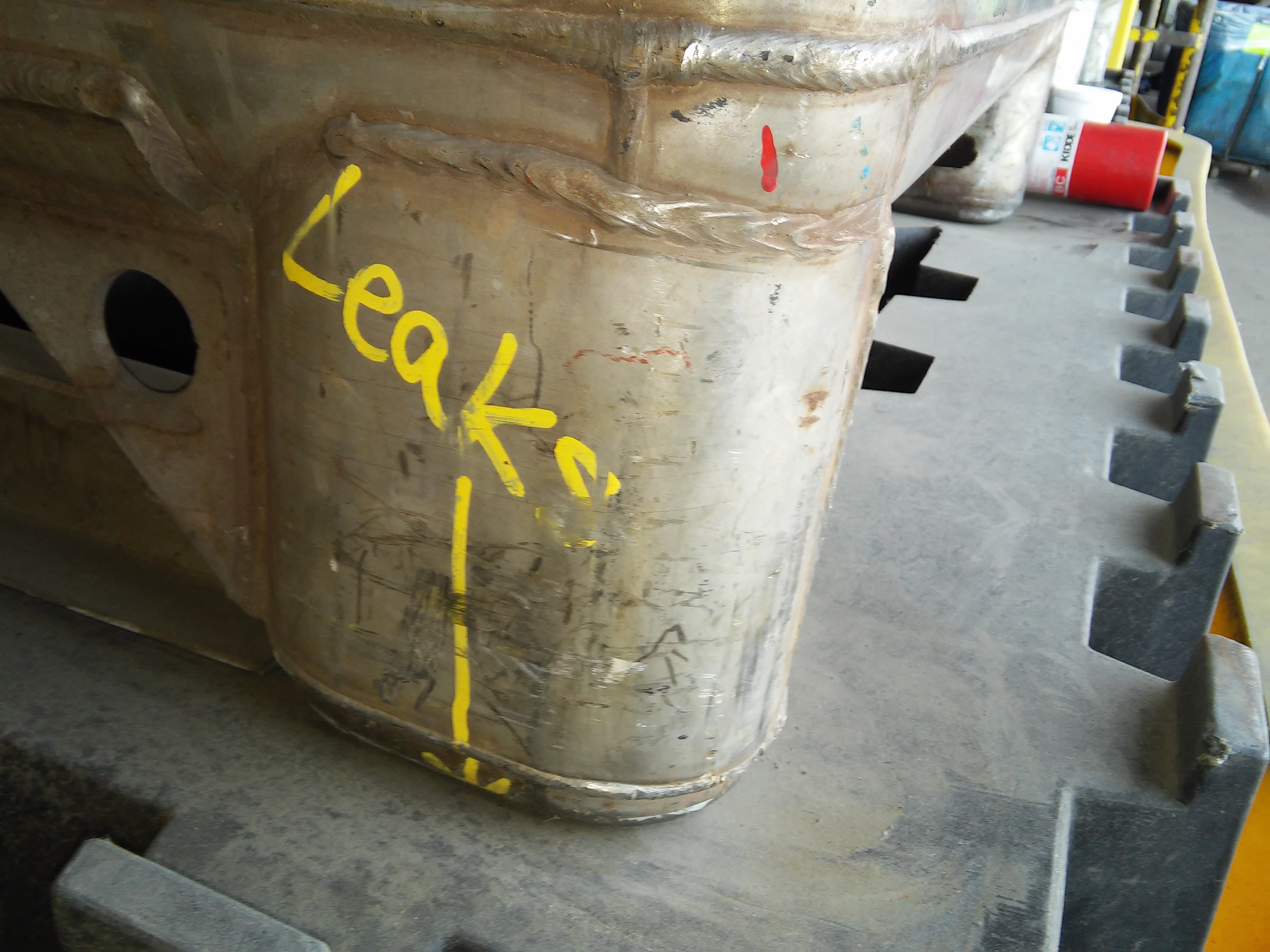
Leaking Waste Solvent Hazardous Waste Tank
Caltha LLP | Your Stormwater Permit,
SWPPP and Spill Plan Partner
Tuesday, February 20, 2018
Rule On Reporting Mercury And Mercury Added Products
The Lautenberg Act TSCA amendments established reporting deadline(s) and information requirements periodic update and publication of the inventory of mercury supply, use, and trade in the United States. As required under TSCA, the reporting requirements would apply to any person who manufactures mercury or mercury-added products, or otherwise intentionally uses mercury in a manufacturing process.

Mislabeled Mercury Waste Drum
Identified During RCRA Audit
On October 26, 2017, EPA issued a proposed rule to implement TSCA section 8(b)(10)(D), which requires EPA to issue a final rule no later than 2 years after the enactment of the Lautenberg Act TSCA amendments that establishes reporting deadline(s) and information requirements. As required under TSCA, the reporting requirements would apply to any person who manufactures mercury or mercury-added products, or otherwise intentionally uses mercury in a manufacturing process.EPA published the first inventory in March 2017. Based on the information collected, TSCA further directs EPA to identify any manufacturing processes or products that intentionally add mercury and recommend actions to achieve further reductions in mercury use.
EPA proposed reporting requirements in the Federal Register of October 26, 2017 to assist in the preparation of an “inventory of mercury supply, use, and trade in the United States.” Subsequently the deadline for the comment period was extended to January 11, 2018. The final rule is anticipated to be published by July 1, 2018.

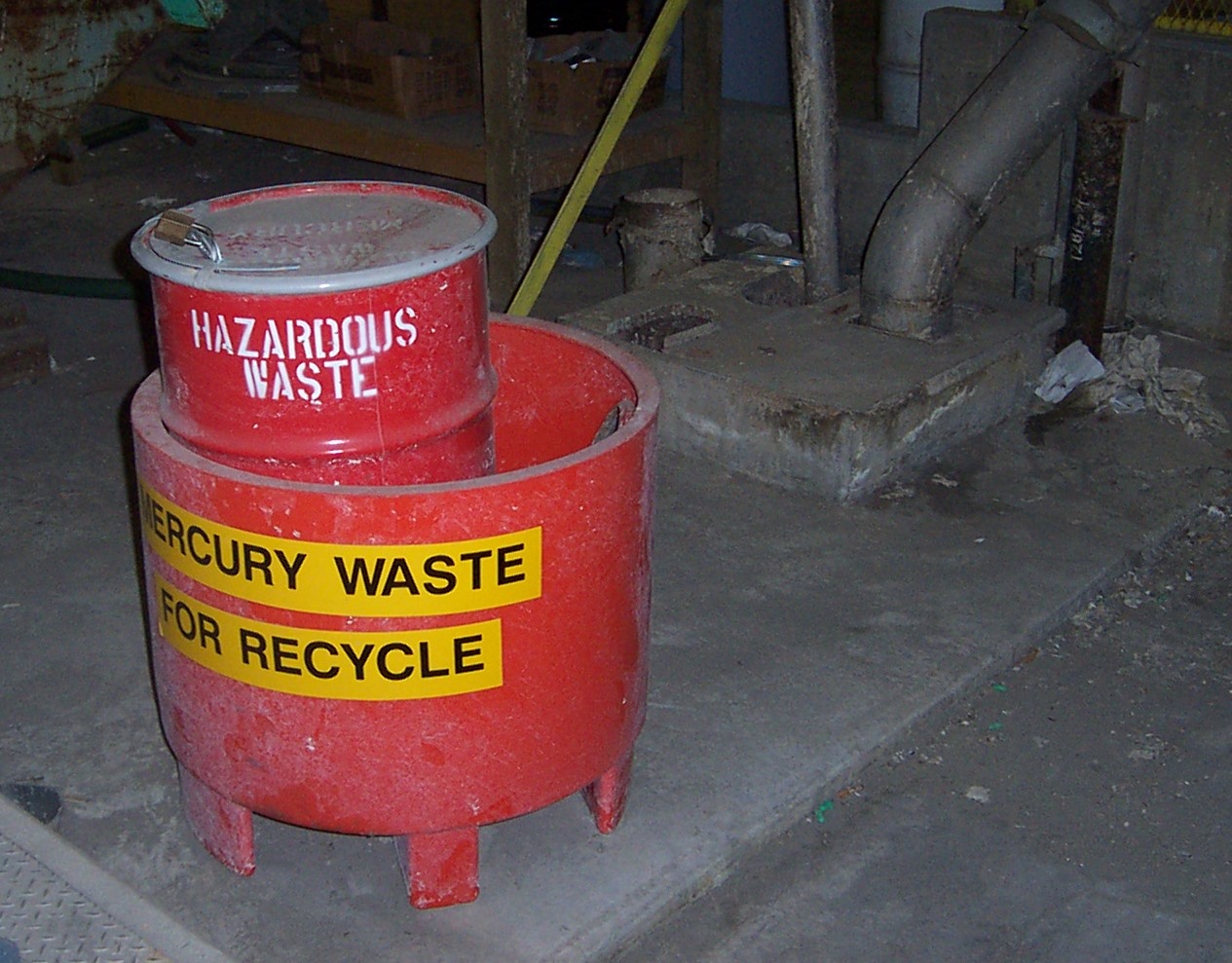
Mislabeled Mercury Waste Drum
Identified During RCRA Audit
On October 26, 2017, EPA issued a proposed rule to implement TSCA section 8(b)(10)(D), which requires EPA to issue a final rule no later than 2 years after the enactment of the Lautenberg Act TSCA amendments that establishes reporting deadline(s) and information requirements. As required under TSCA, the reporting requirements would apply to any person who manufactures mercury or mercury-added products, or otherwise intentionally uses mercury in a manufacturing process.EPA published the first inventory in March 2017. Based on the information collected, TSCA further directs EPA to identify any manufacturing processes or products that intentionally add mercury and recommend actions to achieve further reductions in mercury use.
EPA proposed reporting requirements in the Federal Register of October 26, 2017 to assist in the preparation of an “inventory of mercury supply, use, and trade in the United States.” Subsequently the deadline for the comment period was extended to January 11, 2018. The final rule is anticipated to be published by July 1, 2018.
Caltha LLP | Your EH&S Compliance,
Auditing and EMS/SMS Partner
Monday, February 19, 2018
Compliance Audit For Atlanta Chemical Packaging Plant
Caltha LLP Project Summary
Project: Multi-media Environmental Compliance AuditClient: Chemical Repackaging Plant
Location(s): Georgia
Key Elements: Compliance audit
Overview: Caltha preformed a multimedia compliance audits for this chemical mixing and repackaging operation located near Atlanta, Georgia. The scope of the audit included Federal, State, County and City requirements in addition to company policies and industry standards applicable to the operations environmental aspects. Regulatory programs addressed in the audit included:
OSHA
Hazard Communication
EPCRA
EPCRA 311-312,
EPCRA 313
Hazardous and Solid Waste Management
Federal RCRA rules
State waste rules
Universal waste rules
Clean Air Act
Federal air emission rules
Federal NESHAP standards
Federal RMP rule
Site air emission permit
State air emission rules
Clean Water Act
Authorized/Unauthorized Discharges
Stormwater Discharge NEC compliance
SPCC Rule Compliance
Spill Notification and Reporting
Federal Industrial pretreatment rules
Industrial discharger permit
TSCA
Current registration
Inventory Update Rule IUR Reporting
Chemical Data Rule CDR Reporting
Tanks
Aboveground tank rules
Underground tank rules
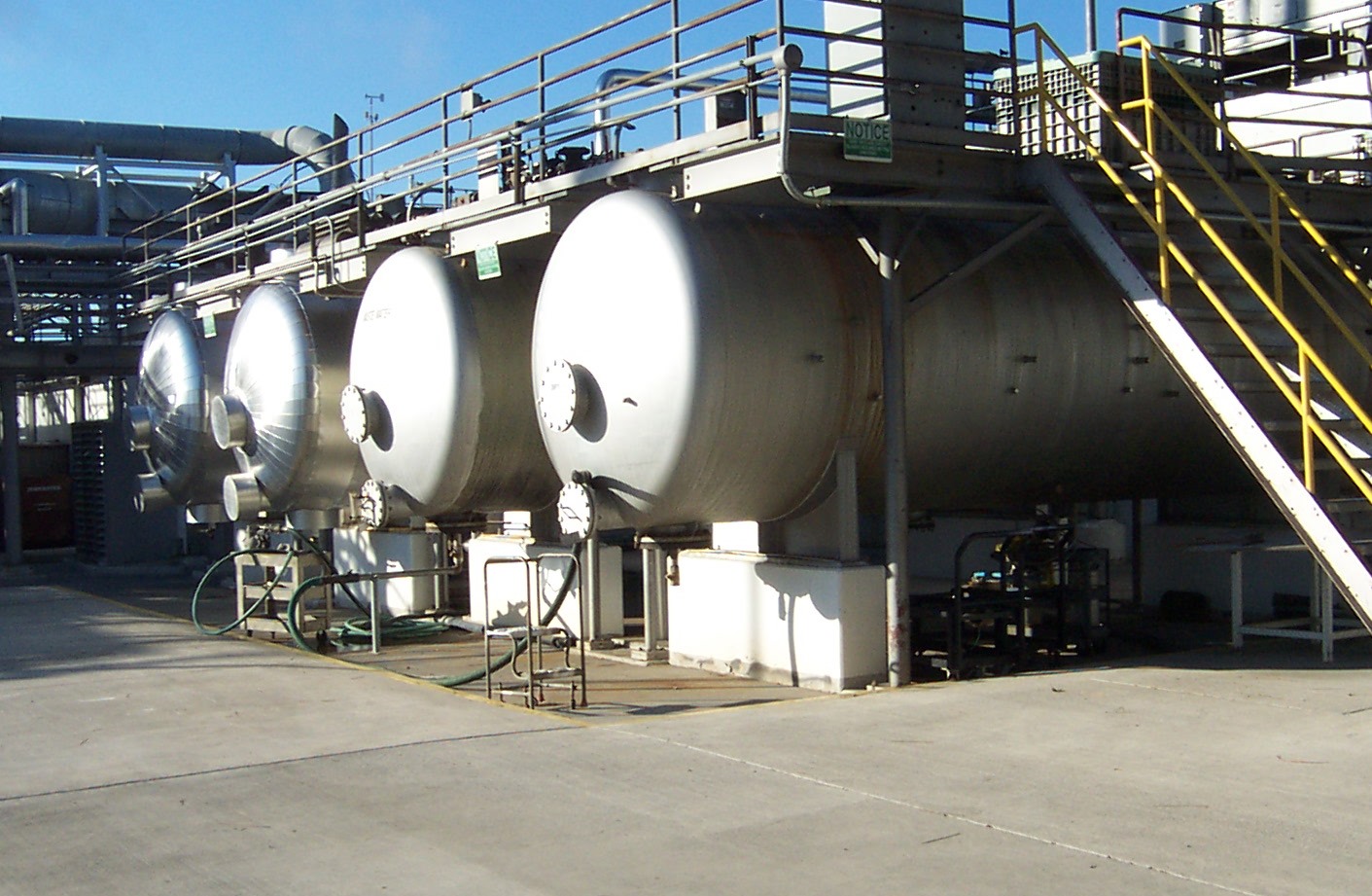
Aboveground Product Vessels
For more information on Caltha LLP services, go to the Caltha Contact Page
Caltha LLP | Your EHS Compliance, Auditing
and EMS/SMS Partner
Risk Management Plan Requirements Delayed
In January 2017, EPA published amendments to the Risk Management Program (RMP) Rule 40 CFR Part 68. The amendments included requirements for:

Aboveground Product Vessels
Following publication of the amendments, EPA received several petitions for reconsideration and request for stay of the amendments. On June 9, 2017, the EPA Administrator signed a final rule to delay the effective date of the RMP rule amendments until February 19, 2019.

Caltha LLP | Your Safety and Health Compliance
Management Partner
- Root cause analysis as part of an incident investigation;
- Independent third-party compliance audits following a release event reportable under RMP or when an agency requires it based on site conditions;
- Inclusion of a safer technology and alternatives analysis as part of the process hazard analysis for processes in North American Industry Classification System (NAICS) codes 322, 324, and 325 (manufacturing of Paper, Petroleum and Coal Products, and Chemicals);
- Emergency response enhancements such as annual coordination with local emergency response agencies, annual testing of emergency notification procedures, and full field exercises at least every 10 years for responding facilities; and
- Measures to increase availability of chemical hazard information to the public.
Aboveground Product Vessels
Following publication of the amendments, EPA received several petitions for reconsideration and request for stay of the amendments. On June 9, 2017, the EPA Administrator signed a final rule to delay the effective date of the RMP rule amendments until February 19, 2019.
Caltha LLP | Your Safety and Health Compliance
Management Partner
Monday, February 12, 2018
Commercial Chemical Product or Waste? Commercial Chemical Product Checklist
In 2017, EPA provided additional guidance to differentiate between commercial chemical products (CCPs) and manufactured articles in the Resource Conservation and Recovery Act (RCRA) Online Document #14887. In the guidance, EPA noted that manufactured articles, such as batteries, fluorescent lamps, and thermometers, are devices designed for a purpose other than to access the device’s internal chemicals. Specifically, batteries, lamps, and thermometers are used for electrical energy, for light, or to measure temperature, respectively, and not to access the mercury, lead, or other chemicals contained in them. Therefore, batteries, fluorescent lamps, and thermometers are not CCPs.

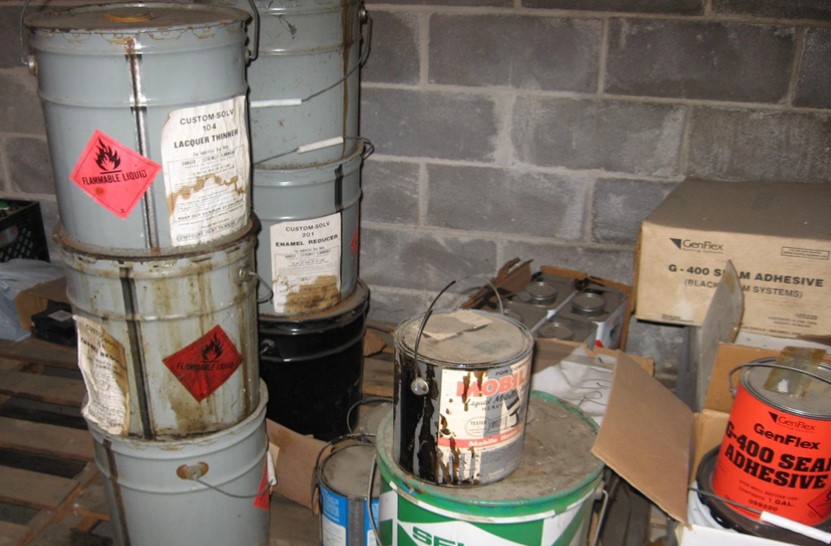
Abandoned Chemical Products Stored
In Lieu Of Disposal
To assist manufacturers in determining if their waste is regulated as a CCP, EPA offered the following checklist:
Abandoned Chemical Products Stored
In Lieu Of Disposal
To assist manufacturers in determining if their waste is regulated as a CCP, EPA offered the following checklist:
Commercial Chemical Product Checklist
Does the facility appear to be managing the material being evaluated ina manner that suggests it is a product(as opposed to being abandoned or stored in lieu of abandonment)? |
|
| 1 | Are the containers used to store the material in good condition (vs. crushed, bulging, corroded, dusty, leaking, incompatible with the contents, open, or overpacked)? |
2 |
Are the containers of concern stored in a manner that suggests the material has value? (For example, is the material protected from precipitation, locked-up when the facility is not operating, or stored in a fenced/secure area?) |
| 3 | Does the management of the containers appear to preserve the material's integrity and serve to prevent the material from becoming unstable, unusable or contaminated? |
| 4 | Do the containers have labels that identify the contents as product? |
5 |
Do the container labels have information, such as lot number, manufacture date, or expiration date, to help determine the age/viability of the material, particularly if a recommended expiration date has been exceeded? |
6 |
If a container is not labeled, can the facility support a claim that the contents is a product (e.g., provide analytical testing results to verify that the material meets specifications for use, or explain that it recently had to transfer contents to a new container due to damage to the original container and can provide record of purchase)? |
7 |
Does the condition of the material suggest it is a valuable product? (For example, no crystals have formed inside or outside the container, the material is not discolored, there is no phase separation evident) |
8 |
Does the facility manage the material as a valuable commodity by limiting access to the material and having security procedures in place to prevent unauthorized removal of the material? |
| Does the facility appear to be using the material being evaluated in the production of its products or in support of production operations (as opposed to being abandoned or stored in lieu of abandonment)? |
|
| 1 | Can the facility describe how the material is used or show where the material is used in the facility? |
2 |
Do the containers storing the material in question appear to be stored in an appropriate location Is the material stored according to manufacturer recommendations (e.g., recommended temperatures, light)? Are the containers accessible? Are the materials being stored in the same location as other similar product materials? |
3 |
Do product specifications exist for the material or process in which it is to be used (e.g., minimum concentration of an active ingredient, maximum concentrations of contaminants, or dates beyond which the material should not be used)? |
4 |
Is there a process in place for the facility to compare the properties of the material in question to specifications that must be met in order for the material to be used for the claimed purpose, or is documentation available to support a facility claim that the material meets such specifications? |
| 5 | Does it appear that the facility has purchased new material that will be used for the same purpose as the material in question? |
6 |
Are records available to demonstrate that the facility has NOT written off the material as a loss (indicating that the facility still believes that the material has a use)? |
Does the facility appear to be selling into commerce the material being evaluated(as opposed to being abandoned or stored in lieu of abandonment)? |
|
| 1 | Does the facility have “active” customers or a market for the material? |
2 |
If yes, can the facility provide a list of such customers and document recent shipments of the material for subsequent distribution in commerce, or provide copies of contracts from past or future sales? |
| 3 | Can the facility identify any competitors for the sale of the material to support a claim that there is an existing or potential market for the material? |
| 4 | Can the facility provide a list of inactive or past customers that purchased the material? |
| 5 | Can the facility provide any information about a future market for the material? |
6 |
Is a Material Safety Data Sheet (MSDS) or SDS under OSHA’s new Globally Harmonized System available for the material (supporting a claim that the material has been in, or will enter, commerce)? |
7 |
Does the facility have a system for accepting/managing returned or off-specification products it produced and utilizing that material to produce a new product? If so, is this system documented? |
| 8 | Has the material been recalled or returned from a customer? If so, can the facility explain how it intends to use the material? Is there a market for the returned material? |
Caltha LLP | Your EH&S Compliance, Auditing
and EMS/SMS Partner
Wednesday, February 7, 2018
Revised 2018 Flammable and Combustible Liquids Code Released
The National Fire Protection Association (NFPA) has released a revised 2018 edition of NFPA 30 Flammable and Combustible Liquids Code. This version replaces the prior edition published in 2015. NFPA 30 is referenced in numerous OSHA, emergency prevention and pollution prevention regulatory programs and becomes enforceable under OSHA and many state and local regulations, NFPA 30 provides safeguards to reduce the hazards associated with the storage, handling, and use of flammable and combustible liquids.
The NFPA 30 code applies to the storage, handling, and use of flammable and combustible liquids, including waste liquids. It is intended to "reduce the hazard to a degree consistent with reasonable public safety, without undue interference with public convenience and necessity, of operations that require the use of flammable and combustible liquids." Compliance with the code does not eliminate all hazards in the use of flammable and combustible liquids.

The NFPA 30 code does not apply to:
Caltha LLP | Your Safety and Health Compliance Management Partner
The NFPA 30 code applies to the storage, handling, and use of flammable and combustible liquids, including waste liquids. It is intended to "reduce the hazard to a degree consistent with reasonable public safety, without undue interference with public convenience and necessity, of operations that require the use of flammable and combustible liquids." Compliance with the code does not eliminate all hazards in the use of flammable and combustible liquids.

Improper Storage And Labeling of Flammable
Waste Observed During Audit
The NFPA 30 code does not apply to:
- Any liquid that has a melting point of 100°F (37.8°C) or greater
- Any cryogenic fluid or liquefied gas
- Any liquid that does not have a flash point, but which is capable of burning under certain conditions
- Mixtures of flammable or combustible liquids and halogenated hydrocarbons either do not exhibit a flash point using the standard closed-cup test methods or will exhibit elevated flash points.
- Any aerosol product, which are addressed in NFPA 30B, Code for the Manufacture and Storage of Aerosol Products.
- Any mist, spray, or foam
- Transportation of flammable and combustible liquids as governed by the U.S. Department of Transportation, which are addressed in NFPA 385, Standard for Tank Vehicles for Flammable and Combustible Liquids, and in the U.S. Department of Transportation’s Hazardous Materials Regulations, Title 49, Code of Federal Regulations, Parts 100–199.
- Storage, handling, and use of fuel oil tanks and containers connected with oil-burning equipment, which are addressed in NFPA 31, Standard for the Installation of Oil- Burning Equipment.
- Use and installation of alcohol-based hand rub (ABHR) Dispensers, which are addressed in NFPA1, Fire Code, and NFPA101, Life Safety Code.
Caltha LLP | Your Safety and Health Compliance Management Partner
Monday, February 5, 2018
Do I Need Permit For Oil Water Separator?
What Is A Flammable Waste Trap?
A flammable waste trap is sometimes called an oil-water separator. It is typically located underground, often under the floor of a building. It is intended to retain low density liquids (usually oils and fuel) from wastewater so that they do not discharge to the sewer. Most often oil-water separators are connected to floor drains inside a building. Oil water separately must have oil removed periodically to remain operational.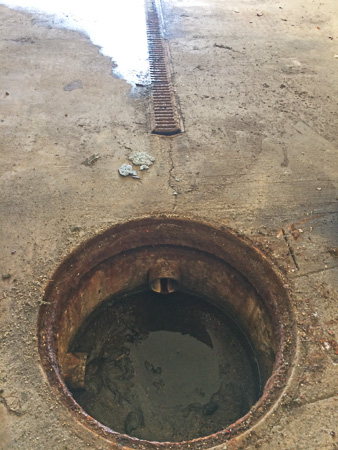
Flammable Waste Trap / Oil Water Separator
Do Flammable Waste Traps, Oil Water Separators Need a Permit?
In most cases no. However, most sewer agencies require installation of oil water separators at higher risk businesses to prevent significant quantities of oil being discharged to the sewer. Therefore they are included in facility designs which are approved by local permitting authorities for sewer connection permits, but are not permitted separately.
Caltha LLP | Your Air Permit, Wastewater Permit, Storm Water Permit Partner
Thursday, January 25, 2018
Court Ruling On EPA Lead Paint Lead Dust Rules
On December 27, 2017, the US Court of Appeals ruled the Environmental Protection Agency must issue a proposed rule within 90 days to update lead-based paint and lead-dust hazard standards. The court also ruled that the EPA must promulgate the final rule within one year after the announcement of the proposed update.
Complaints were filed in August 2009 by multiple groups, including the Sierra Club and United Parents Against Lead National, urging the EPA to use its rule-making authority in order to more adequately protect children. Court filings requested lead-dust hazard levels to be lowered to 10 µg/ft2 for floors and 100 µg/ft2 for window sills and the standard for lead-based paint be lowered to 0.06% lead by weight. The EPA responded in October 2009 and agreed, however, since that date EPA has not provided specifics on the rule nor a date when the proposed rules would come into effect.
Complaints were filed in August 2009 by multiple groups, including the Sierra Club and United Parents Against Lead National, urging the EPA to use its rule-making authority in order to more adequately protect children. Court filings requested lead-dust hazard levels to be lowered to 10 µg/ft2 for floors and 100 µg/ft2 for window sills and the standard for lead-based paint be lowered to 0.06% lead by weight. The EPA responded in October 2009 and agreed, however, since that date EPA has not provided specifics on the rule nor a date when the proposed rules would come into effect.
Sunday, December 31, 2017
2016 OSHA Silica Rule Upheld By Federal Court
On December 22 the U.S. Court of Appeals for the District of Columbia upheld the OSHA crystalline silica rule, rejecting all objections raised by industry groups. In 2016, OSHA published a final rule regulating workplace exposure to silica, Occupational Exposure to Respirable Crystalline Silica (29 CFR 1910, 1915 and 1926).
The industry groups had petitioned for review of several issues:
The Court rejected the unions’ challenge to the construction standard’s 30-day trigger for medical surveillance, however the Court did find that OSHA was arbitrary and capricious in declining to require MRP for some period when a medical professional recommends permanent removal, when a medical professional recommends temporary removal to alleviate COPD symptoms, and when a medical professional recommends temporary removal pending a specialist’s determination. The Court concluded that OSHA failed to adequately explain its decision to omit medical removal protections from the rule and remanded that portion of the rule back to OSHA for further consideration.
The industry groups had petitioned for review of several issues:
- Whether substantial evidence supports OSHA’s finding that limiting workers’ silica exposure to the level set by the rule reduces a significant risk of material health impairment.
- Whether substantial evidence supports OSHA’s finding that the rule is technologically and economically feasible
- Whether OSHA had complied with the Administrative Procedure Act (APA) in promulgating the rule, and
- Whether substantial evidence supports two provisions of the rule, which allow workers who undergo medical examinations to keep the results confidential from their employers and prohibiting employers from using dry cleaning methods unless doing so is infeasible.
The Court rejected the unions’ challenge to the construction standard’s 30-day trigger for medical surveillance, however the Court did find that OSHA was arbitrary and capricious in declining to require MRP for some period when a medical professional recommends permanent removal, when a medical professional recommends temporary removal to alleviate COPD symptoms, and when a medical professional recommends temporary removal pending a specialist’s determination. The Court concluded that OSHA failed to adequately explain its decision to omit medical removal protections from the rule and remanded that portion of the rule back to OSHA for further consideration.
Sunday, November 26, 2017
MinnesotaToxic Pollution Prevention Plan Update Due January 1, 2018
The Minnesota Toxic Pollution Prevention Act (TPPA) requires facilities that report toxic chemical releases under EPCRA 313 to prepare a Pollution Prevention Plan (P2 Plan) for chemicals reported on EPA Form R. In addition to submitting their EPA Form R to the Environmental Protection Agency (EPA) and the Minnesota Emergency Planning and Community Right-to-Know Act (EPCRA) Program, TRI reporting sites must prepare a Pollution Prevention Plan and to submit annual Pollution Prevention Progress Reports based on those plans to the Minnesota EPCRA Program.
There are two reoccurring P2 requirements for TRI reporting sites in Minnesota:
The Pollution Prevention Plan and Progress Report do not apply to chemicals that are not required to be reported on EPA Form R, are reported on EPA Form A, or are reported on EPA Form R but have no on-site release or off-site transfer amounts.
Click here for more information and regulatory updates on EPCRA reporting.
There are two reoccurring P2 requirements for TRI reporting sites in Minnesota:
- Annual P2 Progress Report - due with TRI report on July 1, and
- Biennial Update to Pollution Prevention (P2) Plan - due by Jan 1 for each odd-numbered year (update required in 2017 must be completed by January 1, 2018)
The Pollution Prevention Plan and Progress Report do not apply to chemicals that are not required to be reported on EPA Form R, are reported on EPA Form A, or are reported on EPA Form R but have no on-site release or off-site transfer amounts.
Click here for more information and regulatory updates on EPCRA reporting.

Sunday, November 5, 2017
Certified Environmental and Safety Audit in Raleigh
Caltha LLP Project Summary
Project: Multimedia EH&S Compliance AuditClient: National Corporation
Location(s): Raleigh-Durham Region, North Carolina
Key Elements: EH&S audit, hazardous waste, air permit, hazardous material storage, wastewater permit, hazard communication
Overview: Caltha staff conducted a multimedia environmental, health and safety audit of this industrial facility located in Raleigh-Durham Region. The scope of the audit included:
- EPCRA
- Hazardous and Solid Waste Management- 15A NCAC 13B
- Current NC Air Permit
- NC Air Pollution Control Rule – NCAC 15A-2D
- Current wastewater discharge permit
- TSCA
- Tanks
- Hazard communication
- DOT Hazardous material transportation
Click here to review other example Caltha EH&S auditing projects. Click here to review other Caltha projects in North Carolina and NC regulatory updates.
Thursday, October 12, 2017
Rule on Management of Hazardous Waste Pharmaceuticals
The EPA Management Standards for Hazardous Waste Pharmaceuticals Rule was published in the Federal Register on September 25, 2015. EPA received a number of requests to extend the comment period and in response provided a 30-day extension. A notice announcing this extension was published in the Federal Register on November 5, 2015.
The rule proposes a tailored, sector-specific set of regulations for the management of hazardous waste pharmaceuticals by healthcare facilities (including pharmacies) and reverse distributors. It is intended to provide standards to ensure the management of hazardous waste pharmaceuticals is safe and workable within the healthcare setting. In addition, the proposed pharmaceutical rule is intended to reduce the amount of pharmaceuticals entering surface water.
States, such as Washington, has proposed their own interim policies regarding shipping of waste drugs which would otherwise be regulated as hazardous waste or dangerous waste.
The rule proposes a tailored, sector-specific set of regulations for the management of hazardous waste pharmaceuticals by healthcare facilities (including pharmacies) and reverse distributors. It is intended to provide standards to ensure the management of hazardous waste pharmaceuticals is safe and workable within the healthcare setting. In addition, the proposed pharmaceutical rule is intended to reduce the amount of pharmaceuticals entering surface water.
States, such as Washington, has proposed their own interim policies regarding shipping of waste drugs which would otherwise be regulated as hazardous waste or dangerous waste.
Wednesday, October 11, 2017
Beryllium Worker Exposure Rule Deadlines
OSHA has issued a final rule limiting worker exposure to beryllium and beryllium compounds. The rule contains standards for general industry, construction, and shipyards which take effect on May 20, 2017. Employers must comply with most elements of the rule starting March 12, 2018.
The key provisions of the rule are:
Click here for more details on the safety, health and emergency preparedness services Caltha provides.
Click here to review a sampling of our past safety related projects.
The key provisions of the rule are:
- Reduces the permissible exposure limit (PEL) for beryllium to 0.2 micrograms per cubic meter of air, averaged over 8-hours.
- Establishes a new short term exposure limit for beryllium of 2.0 micrograms per cubic meter of air, over a 15-minute sampling period.
- Requires employers to: use engineering and work practice controls (such as ventilation or enclosure) to limit worker exposure to beryllium; provide respirators when controls cannot adequately limit exposure; limit worker access to high-exposure areas; develop a written exposure control plan; and train workers on beryllium hazards.
- Requires employers to make available medical exams to monitor exposed workers and provides medical removal protection benefits to workers identified with a beryllium-related disease.
Click here for more details on the safety, health and emergency preparedness services Caltha provides.
Click here to review a sampling of our past safety related projects.
Thursday, October 5, 2017
Silica Rule Is Enforced Starting September 2017; General Industry Rule in 2018
US OSHA began enforcing the respirable crystalline silica rule for the construction industry on September 23, 2017. The rule had been set to go into effect in June; however, the Department of Labor and OSHA delayed enforcement of the rule by 90 days. The delay was intended to provide DOL and OSHA additional time to issue guidance to industry regarding compliance. The construction silica rule is a companion to OSHA’s general industry silica rule that is scheduled to be enforceable beginning June 23, 2018.
The rule lowers the permissible exposure limit (PEL) for respirable silica dust in the construction industry, to 50 microgram per cubic meter exposure limit, calculated as an eight-hour time-weighted average (TWA). Employers subject to the construction rule may comply by implementing required engineering and work practice controls and respiratory protection , or by completing exposure assessments of employees above the action level of 25 micrograms per cubic meter.
Under the rule, employers must:
Caltha LLP provides specialized expertise to clients nationwide in the evaluation environmental rules, developing EHS compliance procedures, and preparing cost-effective EHS management programs. For further information contact Caltha LLP at info@calthacompany.com or Caltha LLP Website
The rule lowers the permissible exposure limit (PEL) for respirable silica dust in the construction industry, to 50 microgram per cubic meter exposure limit, calculated as an eight-hour time-weighted average (TWA). Employers subject to the construction rule may comply by implementing required engineering and work practice controls and respiratory protection , or by completing exposure assessments of employees above the action level of 25 micrograms per cubic meter.
Under the rule, employers must:
- Make medical screening available to employees who are required to use a respirator more than 30 or more days per year;
- Develop a written exposure control plan;
- Maintain certain records; and
- Comply with certain limitations on housekeeping practices, such as using wet sweeping, HEPA-filtered vacuuming, or other methods designed to reduce employee exposure when feasible.
Caltha LLP provides specialized expertise to clients nationwide in the evaluation environmental rules, developing EHS compliance procedures, and preparing cost-effective EHS management programs. For further information contact Caltha LLP at info@calthacompany.com or Caltha LLP Website
Subscribe to:
Posts (Atom)