Showing posts with label EPA. Show all posts

Monday, April 9, 2018

Comments On Repeal Of Carbon Pollution Rule Due April 28

The public comment period on the EPA Proposed Rule "Repeal of Carbon Pollution Emission Guidelines for Existing Stationary Sources: Electric Utility Generating Units" is scheduled to close on April 28, 2018.

As background, on October 16, 2017, the Environmental Protection Agency published an announcement of its intention to repeal the Carbon Pollution Emission Guidelines for Existing Stationary Sources: Electric Utility Generating Units, commonly referred to as the Clean Power Plan, as promulgated on October 23, 2015. The proposal also requested public comment on the proposed rule. The EPA held public hearings on November 28 and 29, 2017, in Charleston, West Virginia, and extended the public comment period until January 16, 2018.

In response to numerous requests for additional opportunities for the public to provide oral testimony on the proposed rule in more than one location, EPA announced that three listening sessions will be held:

Wednesday, February 21, 2018 - Kansas City, Missouri;
Wednesday, February 28, 2018 - San Francisco, California;
Tuesday, March 27, 2018 - Gillette, Wyoming.

EPA also reopened the public comment period until April 26, 2018.
Air permit consultant, wastewater permit consultant, stormwater permit consultant, tank permit, RCRA permit
Caltha LLP | Your Air Permit, Wastewater Permit,
Storm Water Permit Partner

Wednesday, March 7, 2018

Information Collection Request For Recycled Hazardous Secondary Materials

EPA has proposed an extension of an “information collection request,” or ICR, regarding recordkeeping related to the recycling of hazardous secondary materials. The specific requirements affected by the ICR request include shipping records and receipts, financial assurance requirements, personnel training, labeling storage containers, and emergency preparedness and response conditions. These information requests were set to expire in April of this year. The information requirements proposed for extension impact generators, verified recyclers, contractors, and others involved in shipping, transporting, and recycling hazardous secondary materials under the exclusions added in the 2015 Final Rule. These exclusions are found at 40 CFR 261.4(a)(23), (24), and (27), and the revised speculative accumulation requirement at 40 CFR 261.1(c)(8).

EPA is soliciting comments and information  to:
  • Evaluate whether the proposed collection of information is necessary for the proper performance of the functions of the Agency;
  • evaluate the accuracy of the Agency's estimate of the burden of the proposed collection of information;
  • enhance the quality, utility, and clarity of the information to be collected; and
  • minimize the burden of the collection of information on those who are to respond.
EPA will consider comments received and amend the ICR as appropriate, and final ICR package will then be submitted to OMB for review and approval. At that time, the EPA will issue another Federal Register notice to announce the submission of the ICR to OMB and the opportunity to submit additional comments to OMB.The comment period would end April, 27, 2018.

This action would extend paperwork requirements that originate from a January 2015 Final Rule that revised EPA’s Definition of Solid Waste to exclude certain hazardous secondary materials from regulation under RCRA. In addition to new exclusions, the Final Rule added recordkeeping rules EPA says ensure regulated entities meet their responsibilities and help inspectors verify compliance.


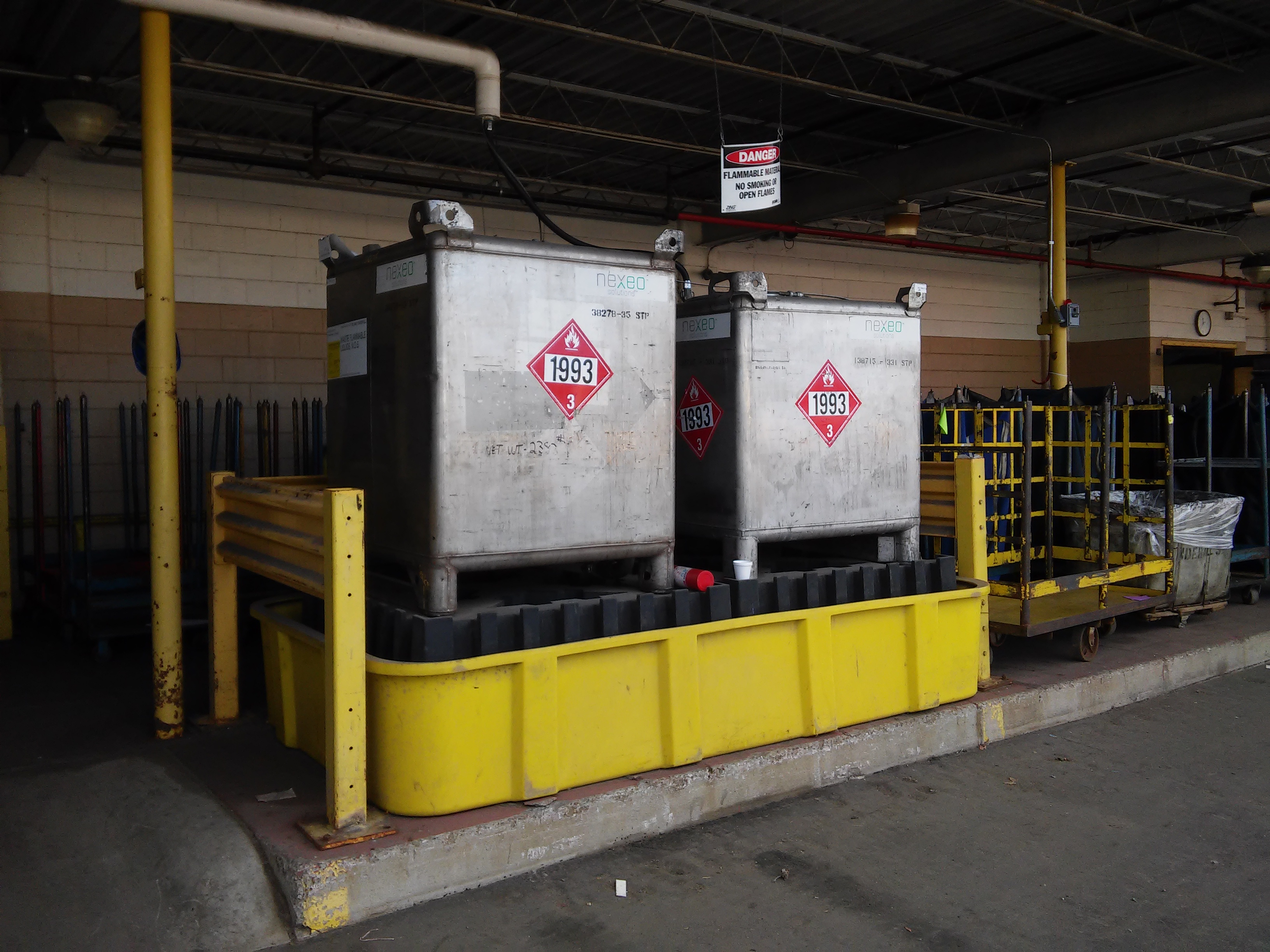
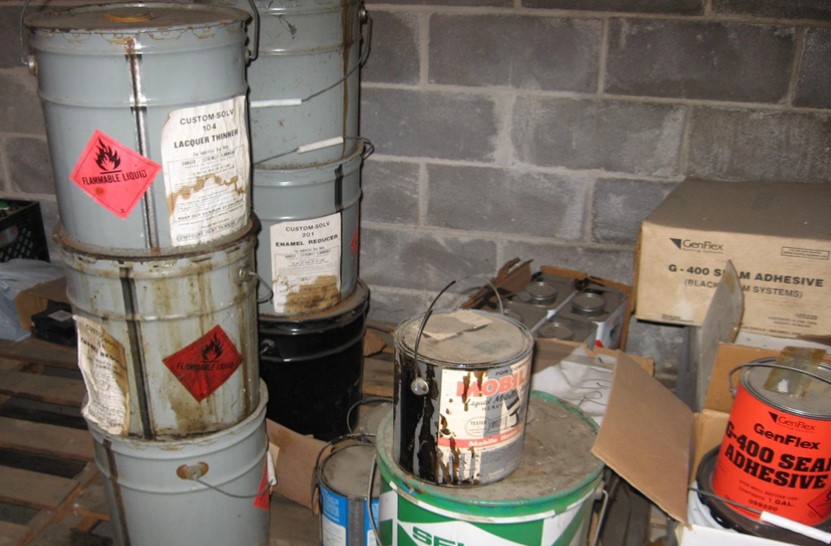
Tanks for flammable waste solvent storage
Flammable Hazardous Waste Storage

Background On Definition Of Solid Waste Rule


In 2015 the EPA published final revisions to the definition of solid waste that exclude certain hazardous secondary materials from regulation (80 FR 1694, January 13, 2015). The information requirements help ensure that (1) entities operating under the regulatory exclusions are held accountable to the applicable requirements; (2) state inspectors can verify compliance with the restrictions and conditions of the exclusions when needed; and (3) hazardous secondary materials exported for recycling are actually handled as commodities abroad.

Paperwork requirements finalized in that rule include:
  • Under the generator-controlled exclusion at 40 CFR 261.4(a)(23), the tolling contractor has to maintain at its facility for no less than three years records of hazardous secondary materials received pursuant to its written contract with the tolling manufacturer, and the tolling manufacturer must maintain at its facility for no less than three years records of hazardous secondary materials shipped pursuant to its written contract with the tolling contractor. In addition, facilities performing the recycling of hazardous secondary materials under the generator-controlled exclusions at 40 CFR 261.4(a)(23) to maintain documentation of their legitimacy determination onsite.
  • Under the verified recycler exclusion at 40 CFR 261.4(a)(24), a verified hazardous secondary materials recycler or an intermediate facility who has obtained a solid waste variance must meet the following conditions: Having financial assurance in place, having trained personnel, and meeting emergency preparedness and response conditions.
    Under the remanufacturing exclusion at 40 CFR 261.4(a)(27), both the hazardous secondary material generator and the remanufacturer must maintain records of shipments and confirmations of receipts for a period of three years from the dates of the shipments.
  • Under the revised speculative accumulation requirement in 261.1(c)(8), all persons subject to the speculative accumulation requirements must label the storage unit by indicating the first date that the material began to be accumulated.

expert consulting support of EH&S program development, compliance management, auditing, environmental management system, and safety management system. 
Caltha LLP | Your EH&S Compliance, 
Auditing and EMS/SMS Partner

Tuesday, February 20, 2018

Rule On Reporting Mercury And Mercury Added Products

The Lautenberg Act TSCA amendments established reporting deadline(s) and information requirements periodic update and publication of the inventory of mercury supply, use, and trade in the United States. As required under TSCA, the reporting requirements would apply to any person who manufactures mercury or mercury-added products, or otherwise intentionally uses mercury in a manufacturing process.

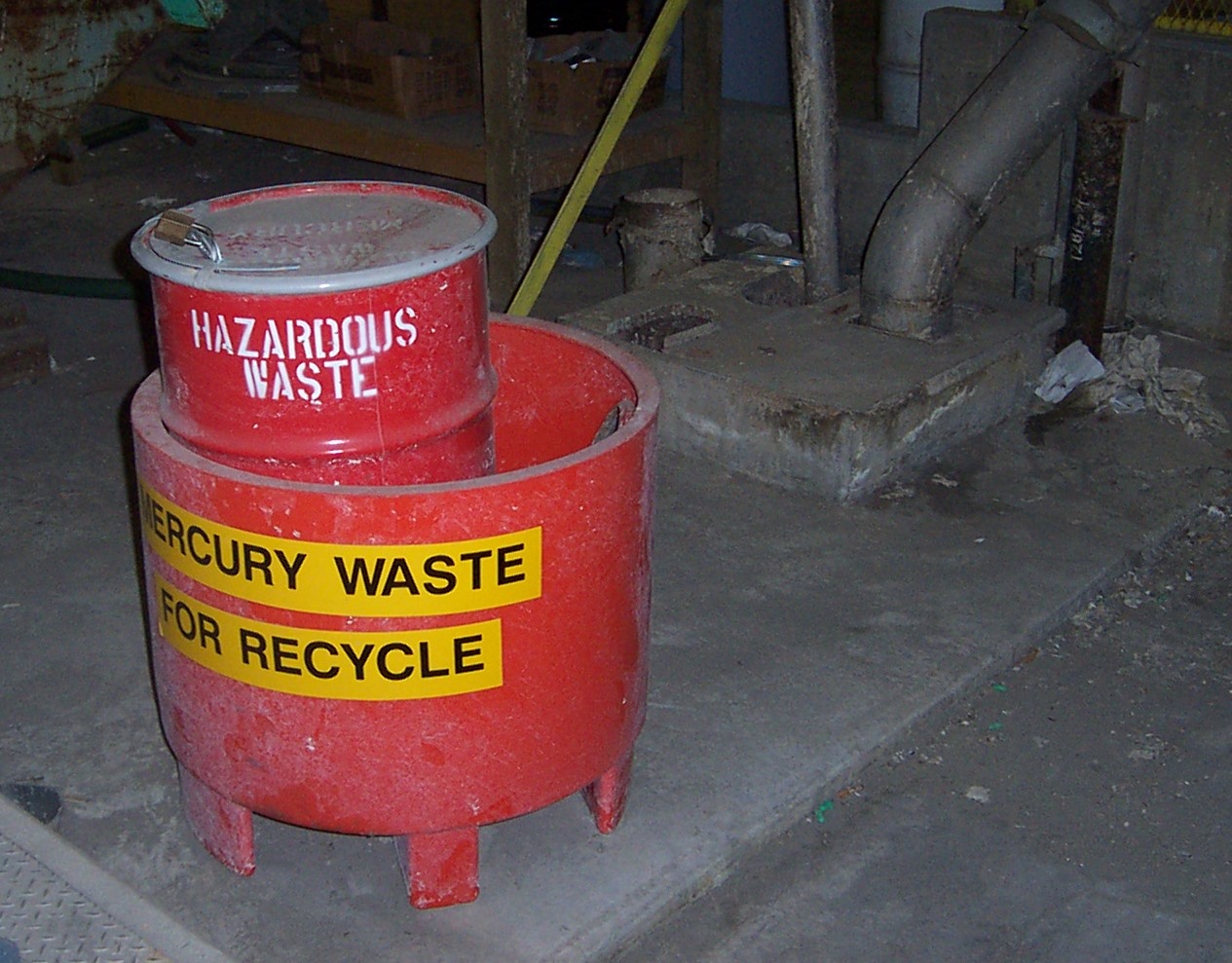
Mislabeled Mercury Waste Drum Identified During waste Audit
Mislabeled Mercury Waste Drum
Identified During RCRA Audit


On October 26, 2017, EPA issued a proposed rule to implement TSCA section 8(b)(10)(D), which requires EPA to issue a final rule no later than 2 years after the enactment of the Lautenberg Act TSCA amendments that establishes reporting deadline(s) and information requirements. As required under TSCA, the reporting requirements would apply to any person who manufactures mercury or mercury-added products, or otherwise intentionally uses mercury in a manufacturing process.EPA published the first inventory in March 2017. Based on the information collected, TSCA further directs EPA to identify any manufacturing processes or products that intentionally add mercury and recommend actions to achieve further reductions in mercury use.

EPA proposed reporting requirements in the Federal Register of October 26, 2017  to assist in the preparation of an “inventory of mercury supply, use, and trade in the United States.” Subsequently the deadline for the comment period was extended  to January 11, 2018. The final rule is anticipated to be published by July 1, 2018.


Caltha LLP | Your EH&S Compliance, 
Auditing and EMS/SMS Partner

Monday, February 19, 2018

Risk Management Plan Requirements Delayed

In January 2017, EPA published amendments to the Risk Management Program (RMP) Rule 40 CFR Part 68. The amendments included requirements for:
  • Root cause analysis as part of an incident investigation;
  • Independent third-party compliance audits following a release event reportable under RMP or when an agency requires it based on site conditions;
  • Inclusion of a safer technology and alternatives analysis as part of the process hazard analysis for processes in North American Industry Classification System (NAICS) codes 322, 324, and 325 (manufacturing of Paper, Petroleum and Coal Products, and Chemicals);
  • Emergency response enhancements such as annual coordination with local emergency response agencies, annual testing of emergency notification procedures, and full field exercises at least every 10 years for responding facilities; and
  • Measures to increase availability of chemical hazard information to the public.

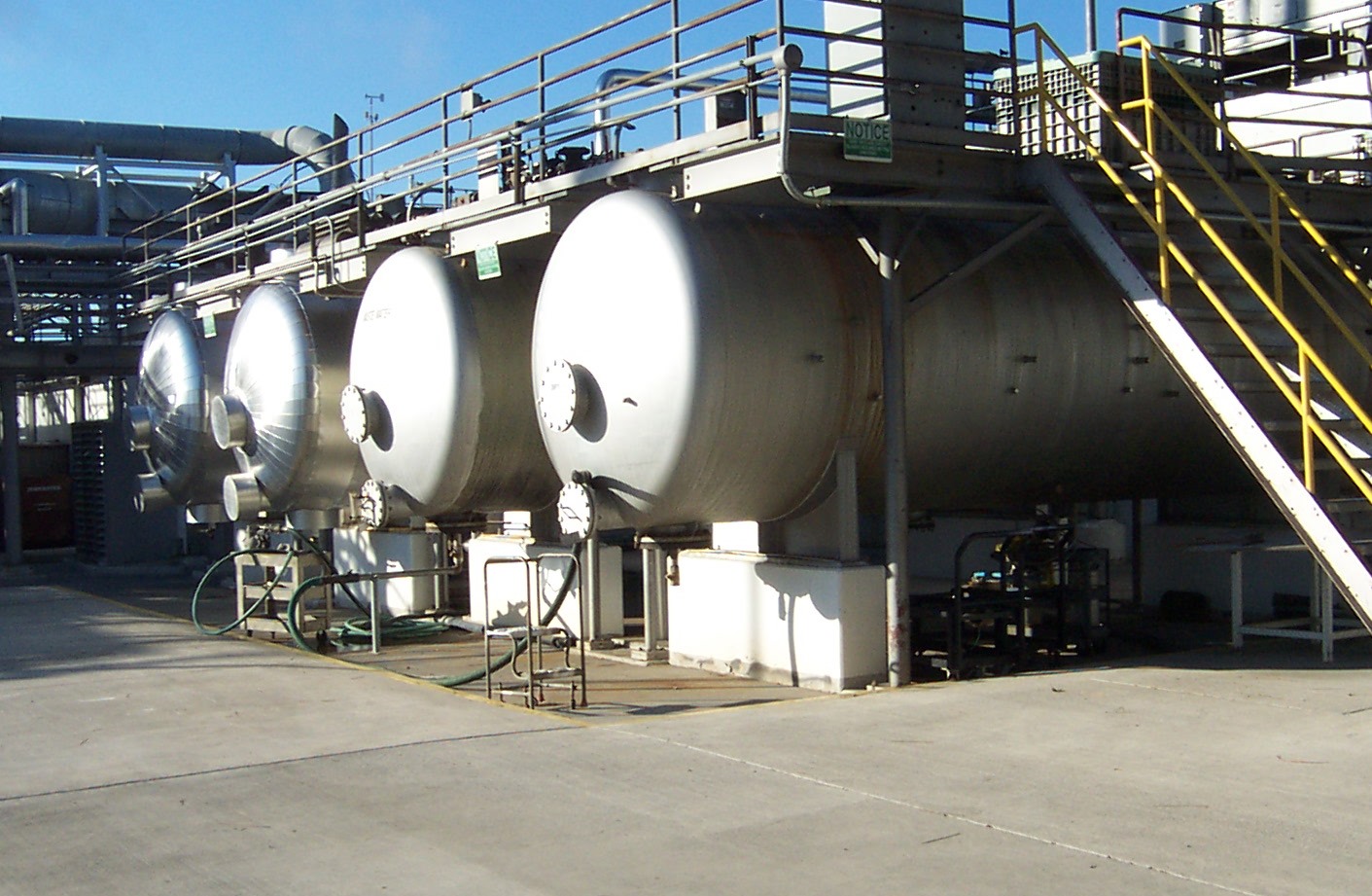
Aboveground Product Vessels


Following publication of the amendments, EPA received several petitions for reconsideration and request for stay of the amendments. On June 9, 2017, the EPA Administrator signed a final rule to delay the effective date of the RMP rule amendments until February 19, 2019.


Caltha LLP | Your Safety and Health Compliance
Management Partner

Thursday, February 15, 2018

New EPA Hazardous Waste Form 8700

US EPA has updated the standard form waste generators use to obtain a facility EPA ID number and provide notification and updates to regulated waste activities at their location.

Mislabeled Mercury Waste Drum Identified During waste Audit
Mislabeled Mercury Waste Drum Identified
During RCRA Audit

What Is Waste Notification Form Used For?

EPA Form 8700-12 is the document used to obtain an EPA ID number, which is a 12-character number used by states and EPA to track hazardous waste activities. This form is also used to update changes in site information (e.g., changes in site contact information, types of hazardous waste managed, cessation of regulated activity at a site, etc.). With the exception of very small quantity generators (VSQGs), a generator of hazardous waste must obtain an EPA ID number before it can manage (i.e., treat, store, dispose, transport, or offer for transportation) hazardous waste, and generators (other than VSQGs) must use hazardous waste transporters and treatment, storage, and disposal facilities with EPA ID numbers.


Abandoned Chemical Products Stored In Lieu Of Disposal
Abandoned Chemical Products Stored
In Lieu Of Disposal

What Is Required In New Waste Notification Form?

The Notification of RCRA Subtitle C Activities, EPA Form 8700-12 (i.e., the Site ID form) has been modified. Several additional data fields that support the various new notifications required by the November 28, 2016, hazardous waste generator improvements rule  and the import-export rule.


Caltha LLP | Your EH&S Compliance, 
Auditing and EMS/SMS Partner

Friday, February 2, 2018

Deadline For Report Air Releases From Farms Extended

In April 2017, the D.C. Circuit Court ruled that farms were required to report air releases of hazardous substances above certain thresholds under the Clean Air Act and EPCRA. EPA released guidance on those reporting obligations in November 2017. EPA requested a stay of 90 days to provide the agency additional time to prepare for any reporting obligations, cited a need for more time to refine guidance to industry on meeting the reporting obligations and to finalize agriculture-specific forms that would be used to report emissions from animal wastes to EPA.

Click here for summary of EPA and Court actions on EPCRA reporting for farms.

On February 1, 2108 the U.S. Court of Appeals for the D.C. Circuit extended a stay of air emissions reporting from livestock wastes through at least May 1, 2018.


Tuesday, January 30, 2018

Once In Always In Policy Withdrawn By US EPA

On January 25, 2018, EPA announced it is withdrawing the “Once In, Always In” (OIAI) policy under the Clean Air Act. New EPA guidance allows stationary sources of hazardous air pollutants (HAPs) that are classified as “major sources” to limit their HAP emissions to below major source thresholds and thereby be reclassified as “area” sources at any time. In the past, major sources of HAPs remained subject to major source requirements, even if they took steps to reduce their potential to emit, or PTE, below major source thresholds.


 Area sources are subject to less onerous emission requirements than are major sources. The withdrawal of the OIAI Policy is effective immediately.


Click here to review EPA memo on Once In Always In policy

Thursday, January 25, 2018

Court Ruling On EPA Lead Paint Lead Dust Rules

On December 27, 2017, the US Court of Appeals ruled the Environmental Protection Agency must issue a proposed rule within 90 days to update lead-based paint and lead-dust hazard standards. The court also ruled that the EPA must promulgate the final rule within one year after the announcement of the proposed update.

Complaints were filed in August 2009 by multiple groups, including the Sierra Club and United Parents Against Lead National, urging the EPA to use its rule-making authority in order to more adequately protect children. Court filings requested lead-dust hazard levels to be lowered to 10 µg/ft2 for floors and 100 µg/ft2 for window sills and the standard for lead-based paint be lowered to 0.06% lead by weight. The EPA responded in October 2009 and agreed, however, since that date EPA has not provided specifics on the rule nor a date when the proposed rules would come into effect.

Thursday, October 12, 2017

Rule on Management of Hazardous Waste Pharmaceuticals

The EPA Management Standards for Hazardous Waste Pharmaceuticals Rule was published in the Federal Register on September 25, 2015. EPA received a number of requests to extend the comment period and in response provided a 30-day extension. A notice announcing this extension was published in the Federal Register on November 5, 2015.


The rule proposes a tailored, sector-specific set of regulations for the management of hazardous waste pharmaceuticals by healthcare facilities (including pharmacies) and reverse distributors. It is intended to provide standards to ensure the management of hazardous waste pharmaceuticals is safe and workable within the healthcare setting. In addition, the proposed pharmaceutical rule is intended to reduce the amount of pharmaceuticals entering surface water.


States, such as Washington, has proposed their own interim policies regarding shipping of waste drugs which would otherwise be regulated as hazardous waste or dangerous waste.

Saturday, March 4, 2017

Solvent Wipe Exemption Roll Out By States | States That Have Not Exempted SCW By Rule

In July 2013, US EPA published a final rule which exempted launderable (reusable) and some disposable wipes containing solvent ("Solvent-Contaminated Wipes" or SCW) from regulation as solid wastes and as hazardous waste. Solvent wipes are very common waste streams generated by a broad range of industrial, commercial, service and institutional sector facilities. This rule streamlined management of this waste stream and allowed these materials to be stored, transported* and cleaned/disposed of outside of the hazardous waste rules that would otherwise apply. This provides a benefit to both facilities that generate these wipes and companies that handle them.
 
* Although the rule exempts transporters from hazardous waste rules, Federal and State DOT HazMat rules still apply.
 
Click here for more information on the Federal Solvent Contaminated Wipe Rule.
 
Although the Federal rule became effective on January 31, 2014, in majority of States the Federal exemption does not apply until State Rules were revised to include this exemption. In many cases, States had operated for many years under policies or guidance which functionally excluded these wipes from regulation as hazardous waste until a Federal Rule was finalized. With the publication of the Federal Rule in 2013, States needed to update State rules to reflect this exemption, if they wanted to allow generators to take advantage of it. Because this rule change was less stringent than existing hazardous waste rules, States were not required to accept the Federal exemption and could require generators to handle these wipes as hazardous waste.
 

State Rule Update - March 2017

 
As of March 2017, 61% of State agencies have updated State rules to exempt solvent wipes, with most using Federal language or Federal language with very minor edits. One State (Rhode Island) implemented a rule that exempted reusable wipes only.


States Where Policy or Guidance Applies

As of March 2017, almost 1/3 of States have not revised State rules to reflect the SCW exemption and are still operating under policies or guidance documents written 10 to 15 years ago.
 
  • Colorado
  • Connecticut
  • Delaware
  • Kentucky
  • Maryland
  • Massachusetts
  • New Mexico
  • New York
  • Oregon
  • South Dakota
  • Vermont
  • Washington
  • Wisconsin
 
In most cases, this policy or guidance is similar to the Federal Rule, but typically less specific and less stringent. Currently, many of these States are still planning to update State rules in the near future and are allowing generators to follow the Federal rule.
 

States Without Policy or Guidance

As of March 2017, three States have not revised State rules and had not established a policy in the past to exempt these wipes from hazardous waste rules:
 
  • Nevada
  • Maine
  • Hawaii
 Maine and Hawaii both anticipate having a rule revision in 2017.

States With State-Specific Rules

Two States, California and Minnesota, have rules (California) or policies (Minnesota) that are significantly different than the Federal Rule and do not plan to revise them. In California, the Reusable Soiled Textile Rule excludes all hazardous waste (not just solvent) on a wider range of textiles (not just wipes). In Minnesota, guidance exempts some wipes ("sorbents") but wipes containing certain listed solvents ("toxic solvents") remain hazardous waste and also must be included in their monthly calculation of the generator size.


For further information contact Caltha LLP at info@calthacompany.com or Caltha LLP Website


Sunday, November 27, 2016

When Are The New EPA Hazardous Waste Generator Rules Effective?

The final US EPA Hazardous Waste Generators Improvement Rule was published in the Federal Register on November 28, 2016. The effective date for the rule is May 30, 2017.


Click here to review a summary of key new requirements for very small quantity generators (VSQG), small quantity generators (SQG) and large quantity generators (LQG).


Caltha LLP provides specialized expertise to clients nationwide in the evaluation environmental rules, developing EHS compliance procedures, and preparing cost-effective EHS management programs. For further information contact Caltha LLP at info@calthacompany.com or Caltha LLP Website

Thursday, November 24, 2016

EPA Hazardous Waste Generator Improvements Rule - What States Are Affected?

The Hazardous Waste Generator Improvements Rule is now signed and  published in the Federal Register on November 28, 2016. This leaves hazardous waste generators to sort out how this will affect them, and when.


Immediate Affect of the Hazardous Waste Generator Improvements Rule
The Generator Improvements Rule modified the Federal rules under RCRA and therefore has direct affect on hazardous waste generators located in States that have not been delegated RCRA authority (Iowa and Alaska) and some other areas, including Tribal lands. However, many States have incorporated portions of the RCRA rules by reference into their authorized programs – therefore, in these States revisions to Federal RCRA rules can have an immediate affect on State rules. This can significantly increase the population of hazardous waste generators that will be affected by the Hazardous Waste Generator Improvements Rule s ix months after publication in the FR - on May 30, 2017.

For generators located in States that have not incorporated generator requirements by reference, the impact of the rule revision will be uncertain. Rule changes will only become effective when States modify their own hazardous waste generator requires. To add to the uncertainty, States will only be required to modify their rules to incorporate portions of the Hazardous Waste Generator Improvements Rule that are MORE stringent than current rules. Other portions of the new EPA rules that add flexibility, are less stringent, or are incorporate clarifications to the rule would not need to be addressed by States to maintain their authorized programs under RCRA.

Caltha LLP provides specialized expertise to clients nationwide in the evaluation environmental rules, developing EHS compliance procedures, and preparing cost-effective EHS management programs. For further information contact Caltha LLP at info@calthacompany.com or Caltha LLP Website 

Monday, February 18, 2013

National Enforcement Initiatives for FY2014-2016

EPA has published a Federal Register notice asking for public comments and recommendations on its National Enforcement Initiatives for FY2014-2016. The agency selects priority areas every three years in order to focus federal resources on the most important environmental problems where noncompliance is a significant contributing factor and where federal enforcement attention can make a difference. In addition to these sector-based approaches, EPA will focus a national initiative on a strategic area that would improve its ability to conduct its enforcement and compliance program. Comments must be received by February 27, 2013.

Click here to review the six national enforcement initiatives for  FY 2011-2013


Caltha LLP provides specialized expertise to clients nationwide in the evaluation environmental rules, developing EHS compliance procedures, and preparing cost-effective EHS management programs.
For further information contact Caltha LLP at info@calthacompany.com or Caltha LLP Website 


Wednesday, January 2, 2013

EPA Considers Chemical Identifiers For Minimum Risk Pesticides

EPA is proposing to more clearly describe the active and inert ingredients permitted in products eligible for the exemption from regulation for minimum risk pesticides. EPA is proposing to reorganize these lists by adding specific chemical identifiers. The identifiers would make it clearer which ingredients are permitted in minimum risk pesticide products. EPA is also proposing to modify the label requirements in the exemption to require the use of specific common chemical names in lists of ingredients on minimum risk pesticide product labels, and to require producer contact information on the label. Comments on the proposed rules must be received on or before April 1, 2013.

The primary goal of this proposal is to clarify the conditions of exemption for minimum risk pesticides by making clearer the specific ingredients that are permitted in minimum risk pesticide products. According to EPA, the existing regulatory structure leads to confusion as to which ingredients are exempt and how they should be labeled on products.


Caltha LLP provides specialized expertise to clients nationwide in the evaluation environmental rules, developing EHS compliance procedures, and preparing cost-effective EHS management programs.
For further information contact Caltha LLP at info@calthacompany.com or Caltha LLP Website 


Wednesday, December 26, 2012

EPA Summary of Enforcement Actions In 2012

On December 17, 2012, US EPA released its annual enforcement results. In 2012, EPA levied $252 million in civil and criminal penalties. According to EPA, the FY 2012 results include:

• Sustained and focused enforcement attention on serious violators of clean drinking water standards has resulted in improvements in compliance. The number of systems with serious violations has declined by more than 60 % in the past three years as a result of combined federal and state enforcement work, protecting people's health through safer drinking water.

• More than 67 % of large combined sewer systems are implementing solutions to reduce raw sewage and contaminated stormwater. EPA is working with communities to design integrated solutions to these water quality problems, and incorporating innovative and cost effective green infrastructure to save money and achieve multiple community benefits.

• EPA is bringing criminal prosecutions where criminal activity threatens public health, like failing to use required pollution control equipment or knowingly violating pollution rules resulting in death or serious harm or falsifying pollution information.

• EPA is advancing environmental justice by incorporating fenceline monitoring, which requires companies to monitor their air emissions and make that data available public, into settlements, ensuring that local residents have access to information about pollution that may be affecting their community. EPA also secured $44 million in additional investments through settlements for supplemental environmental projects that benefit impacted communities.

• EPA is increasing transparency to use the power of public accountability to help improve environmental compliance. EPA's 2012 enforcement actions map provides information about violators in communities. EPA's state dashboards and Clean Water Act pollutant loading tool provides the public with information about local pollution that may affect them and allows the public to take a closer look at how government is responding to pollution problems.


Caltha LLP provides specialized expertise to clients nationwide in the evaluation environmental rules, developing EHS compliance procedures, and preparing cost-effective EHS management programs. For further information contact Caltha LLP at info@calthacompany.com or Caltha LLP Website

Monday, December 17, 2012

Final Annual PM2.5 Air Quality Standard

In response to a court order, the U.S. Environmental Protection Agency (EPA) has finalized an update to its national air quality standards for fine particulate material (PM2.5), setting the annual health standard at 12 micrograms per cubic meter. The update has no effect on the existing daily standard for PM2.5 or the existing daily standard for coarse particles (PM10).

Fine particle pollution can penetrate deep into the lungs and has been linked to a wide range of serious health effects, including premature death, heart attacks, and strokes, as well as acute bronchitis and aggravated asthma among children. A federal court ruling required EPA to update the standard based on best available science.

By 2020, 99% of U.S. counties are projected to meet revised health standard without any additional actions. It is expected that fewer than 10 counties in the United States will need to consider any local actions to reduce fine particle pollution in order to meet the new standard by 2020, as required by the Clean Air Act.

The Clean Air Act requires EPA to review its air quality standards every five years to determine whether the standards should be revised. The law requires the agency to ensure the standards are “requisite to protect public health with an adequate margin of safety” and “requisite to protect the public welfare.” A federal court required EPA to issue final standard by December 14, because the agency did not meet its five-year legal deadline for reviewing the standards.
Caltha LLP provides specialized expertise to clients nationwide in the evaluation environmental rules, developing EHS compliance procedures, and preparing cost-effective EHS management programs. For further information contact Caltha LLP at info@calthacompany.com or Caltha LLP Website

Thursday, November 29, 2012

PCB Waste From Building Demolition - Reinterpretation of PCB Bulk and PCB Remediation Wastes

The EPA Office of Resource Conservation and Recovery has announced its intention to reinterpret its guidance regarding PCB-contaminated building materials.

In February 2012, the EPA solicited comment on a draft reinterpretation of its position regarding the status of PCB-contaminated building materials under the definition of PCB bulk product waste. EPA received several questions from the regulated community regarding the disposal and cleanup requirements for PCB-contaminated building materials. The Toxic Substances Control Act (TSCA) regulations at 40 CFR 761 provide disposal and cleanup requirements for PCBs. The disposal and cleanup requirements for PCB-contaminated building material depend on whether the material is classified as a PCB bulk product waste or PCB remediation waste. Waste derived from caulk or paint containing PCBs at > 50 parts per million (ppm) is defined as PCB hulk product waste in 40 CFR 761.3. The definition of PCB bulk product waste includes -non-liquid bulk wastes or debris from the demolition of buildings and other man-made structures manufactured, coated, or serviced with PCBs." Other PCB bulk product wastes may include, but are not limited to, mastics, sealants, or adhesives containing PCBs at > 50 ppm. PCB remediation waste is defined as "waste containing PCBs as a result of a spill, release, or other unauthorized disposal...". and leaching may he considered a release of PCBs.

Current EPA guidance states that building material contaminated by the migration of PCBs from PCB bulk product waste, such as caulk or paint, is considered a PCB remediation waste. The proposed reinterpretation would have modified this guidance to specify that only PCB contaminated building material from which the PCB bulk product has been removed is a PCB remediation waste. Under the proposed reinterpretation, the distinction was made whether or not the PCB bulk product is still attached to the building materials.

The reinterpretation finalized in October 2012 allows building material (i.e., substrate) "coated or serviced" with PCB bulk product waste (e.g., caulk, paint, mastics, sealants) at the time of designation for disposal to be managed as a PCB bulk product waste, even if the PCBs have migrated from the overlying bulk product waste into the substrate, provided there is no other source of PCB contamination on or in the substrate. However, if the substrate is not "coated or serviced" (i.e.. the PCB bulk product waste, such as caulk or paint has been removed from the building material) at the time of designation for disposal, and the substrate is contaminated with PCBs that have migrated from the bulk product waste (or from another unauthorized disposal), the substrate would be considered a PCB remediation waste.

The current reinterpretation addresses the possibility that during a cleanup or demolition process, PCB bulk product waste (e.g.. caulk, paint. mastics, and sealants) could separate from the contaminated building material before all of the waste is physically placed in the final disposal facility. At the time of designation for disposal, the contaminated building material would be deemed a PCB bulk product waste if the PCB material (e.g.. caulk, paint, mastic or sealant) is still attached. This label as PCB bulk product waste would stay with the contaminated building materials. EPA recommends developing an abatement plan to document the decision to designate building materials as bulk product waste at the time of designation for disposal. If the PCB material has already been removed or flaked off at the time of designation for disposal, the building material would be deemed a PCB remediation waste, as established under the existing interpretations.


Caltha LLP provides specialized expertise to clients nationwide in the evaluation environmental rules, developing EHS compliance procedures, and preparing cost-effective EHS management programs.

For further information contact Caltha LLP at info@calthacompany.com or Caltha LLP Website 


Saturday, November 10, 2012

Stay Proposed For Final MATS Rule

EPA has announced that the agency is reviewing new technical information associated with the new source limits for toxics emitted from new power plants under the Mercury and Air Toxics Standards (MATS). According to EPA, the new information indicates that there may be technical challenges associated with monitoring mercury emissions at the levels set for new power plants.

These new plants would continue to rely on the same proven pollution control technologies to reduce mercury, acid gases, and particle pollution. The agency believes this information warrants further review and will follow an expedited, open, and transparent process that includes public comment on any proposed changes. The agency will also use its Clean Air Act authority to stay the final standards for new power plants for 90 days during this technical review.

Caltha LLP provides specialized expertise to clients nationwide in the evaluation environmental rules, developing EHS compliance procedures, and preparing cost-effective EHS management programs
For further information contact Caltha LLP at info@calthacompany.com or Caltha LLP Website

RFS Renewable Identification Number (RIN) Quality Assurance Program

Under the Clean Air Act, US EPA is responsible for developing and implementing regulations to ensure that transportation fuel sold in the United States contains a minimum volume of renewable fuel. The Renewable Fuel Standard (RFS) program regulations finalized in 2007 (RFS1) and 2010 (RFS2) were developed in collaboration with refiners, renewable fuel producers, and many other stakeholders.

The RFS compliance program is based on the use of unique renewable identification numbers (RINs) assigned to batches of renewable fuel by renewable fuel producers and importers. These RINs can then be sold or traded, and used by any obligated party to demonstrate compliance with the applicable standard.

According to EPA, it has recently come to the agency’s attention that the production, transfer, and use of invalid RINs has resulted in violations for parties that were not aware that the RINs were invalid. To address this, EPA is considering development of a rule will propose a voluntary mechanism for ensuring that RINs have been appropriately generated. No schedule for the proposed rulemaking was released


Caltha LLP provides specialized expertise to clients nationwide in the evaluation environmental rules, developing EHS compliance procedures, and preparing cost-effective EHS management programs.
For further information contact Caltha LLP at info@calthacompany.com or Caltha LLP Website

Friday, March 23, 2012

History and Overview of New TCSA Chemical Data Reporting Rule

The EPA Chemical Data Reporting rule was finalized in November 2011, and the reporting period is now open until June 30, 2012.

Below is a link to a brief history and summary of the CDR rule.

History and Overview of New TCSA Chemical Data Reporting Rule

Caltha LLP provides specialized expertise to clients nationwide in the evaluation environmental rules, developing EH&S compliance procedures, and preparing cost-effective EH&S management programs.

For further information contact Caltha LLP at

info@calthacompany.com or Caltha LLP Website