

Showing posts with label Chemical Hazard. Show all posts
Showing posts with label Chemical Hazard. Show all posts
Monday, September 7, 2020
OSHA Rule On Beryllium Effective September 30, 2020
OSHA is amending its existing construction and shipyard standards for occupational exposure to beryllium and beryllium compounds to clarify certain provisions and simplify or improve compliance. These changes are designed to accomplish three goals: to more appropriately tailor the requirements of the construction and shipyards standards to the particular exposures in these industries in light of partial overlap between the beryllium standards' requirements and other OSHA standards; to aid compliance and enforcement across the beryllium standards by avoiding inconsistency, where appropriate, between the shipyards and construction standards and recent revisions to the general industry standard; and to clarify certain requirements with respect to materials containing only trace amounts of beryllium. This final rule does not affect the general industry beryllium standard.
https://www.calthacompany.com/uncategorized/new-osha-rule-on-berylium-effective-september-30/
Caltha LLP provides specialized expertise to clients in the evaluation environmental rules, developing EHS compliance procedures, and preparing cost-effective EHS management programs.
For further information contact Caltha LLP at
info@calthacompany.com or Caltha LLP Website

Monday, April 23, 2018
REACH, ROHS, Prop 65 and Other Chemical Compliance Certifications
Caltha LLP Project Summary
Project: Certification of REACH, ROHS, Prop 65, Conflict Minerals, Biocidal Products ComplianceClient: Component Manufacturer
Location(s): Minnesota
Key Elements: EU Chemical Regulations, California Proposition 65 Labeling, Conflict Minerals Compliance Certifiaction
Overview: Caltha LLP was retained by this component manufacturer to compile compliance documentation and to prepare Certification of Compliance. Certification of compliance was required by customers who purchased manufactured components and incorporated them into their final products which were exported to the European Union and other areas.

Caltha prepared a certification form and background information to be completed by raw material suppliers that allowed each supplier to provide an informed certification statement regarding presence/absence of regulated chemical substances, and if present, documentation that concentrations are below regulatory thresholds.

Thursday, February 22, 2018
Most Common Mistakes In Tank Secondary Containment
Common Problems With Secondary Containment
Missing Secondary Containment
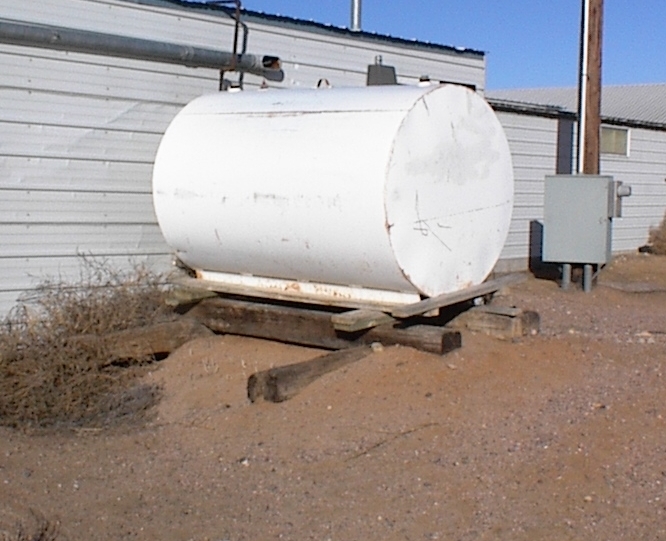
Fuel Tank Without Containment Or Proper Support
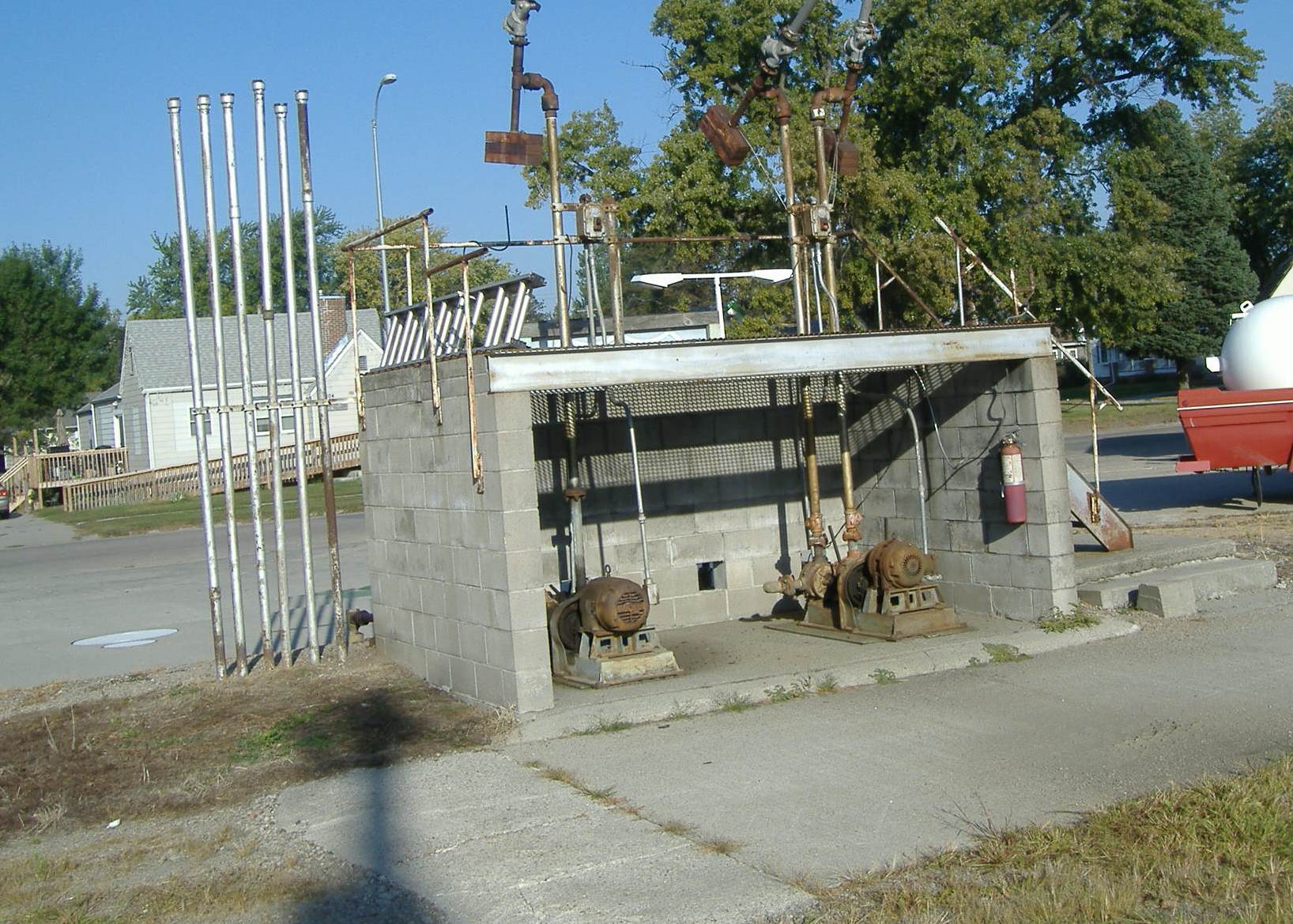
Fuel Loading Area Without Secondary Containment
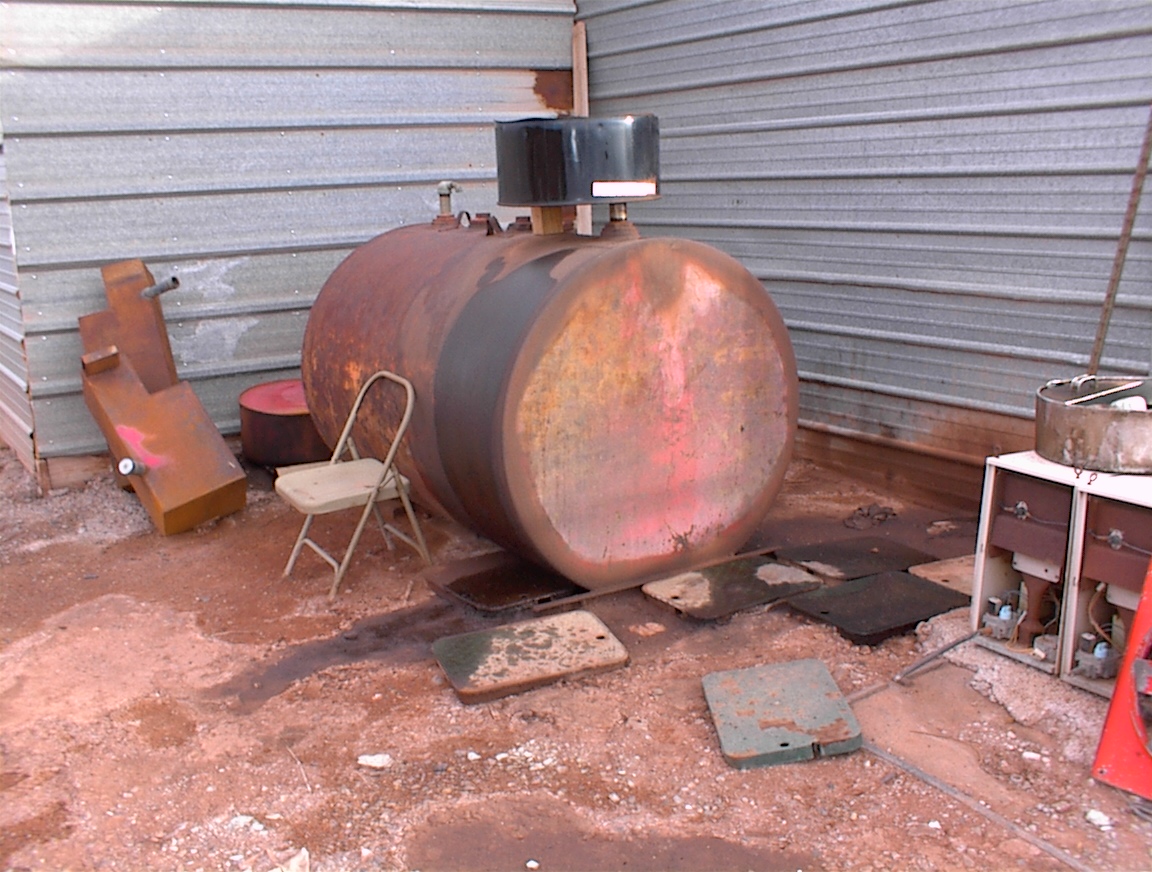
Leaking Used Oil Storage AST Observed During
Facility Inspection
Inadequate Volume Containment
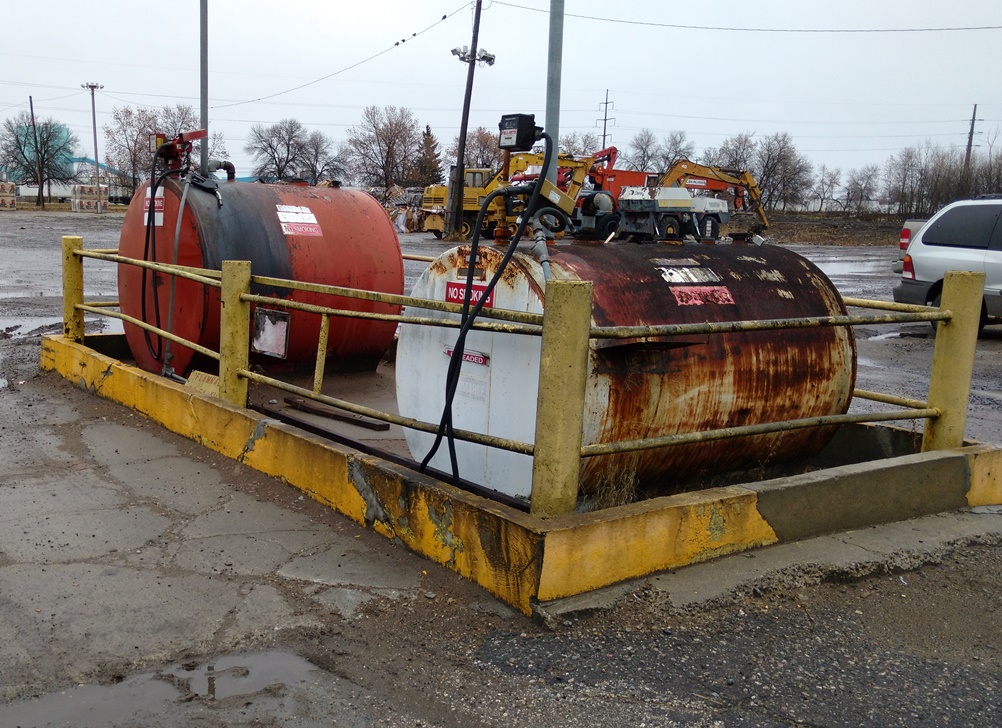
Environmental Inspection Finds Leaking Tanks
And Pumps In Refueling Area
Wrong Material
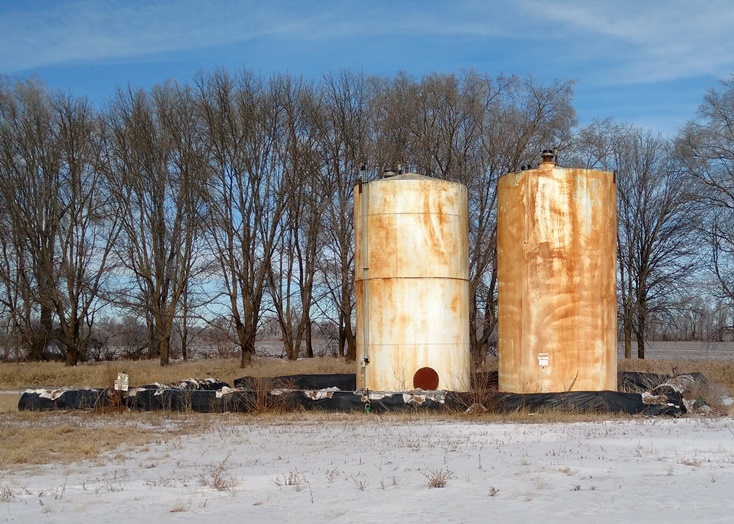
Bulk Fuel Storage With Hay Bale
Secondary Containment
Missing or Inadequate Maintenance
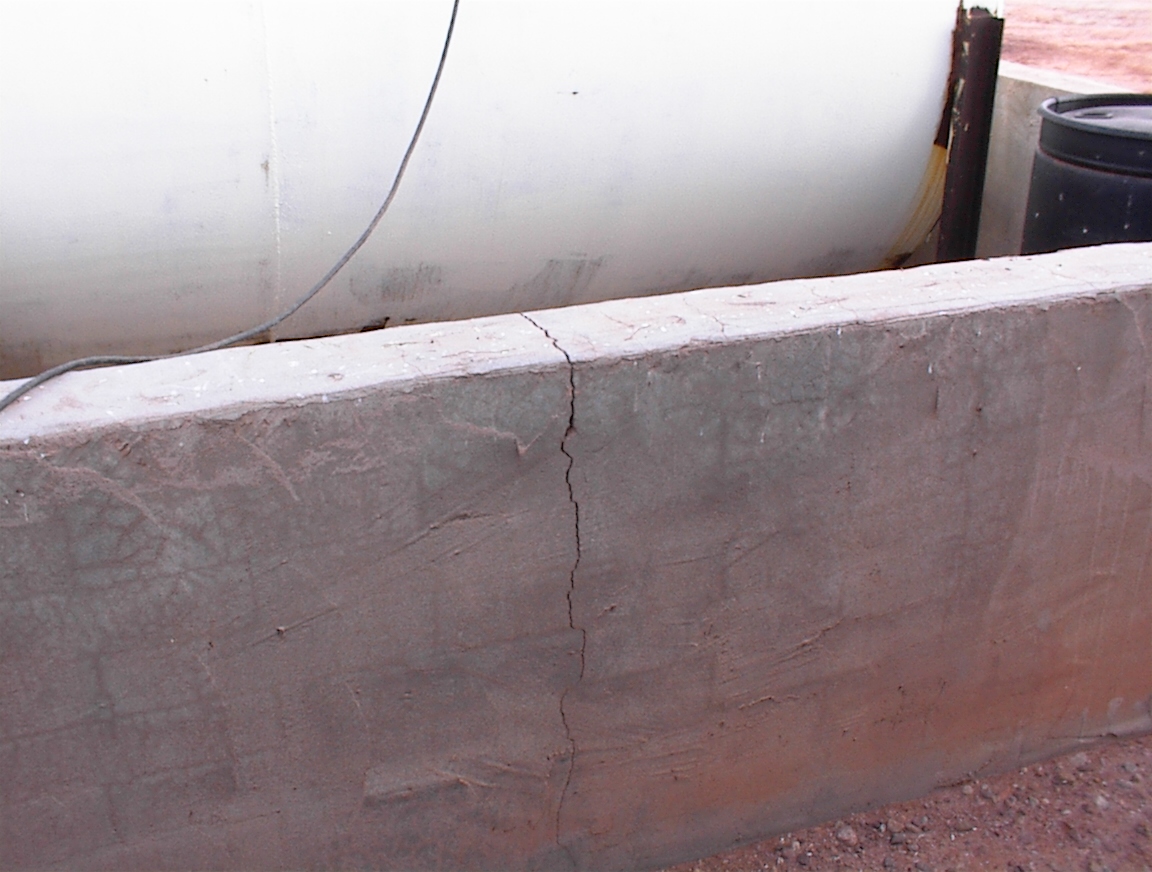
Cracked Secondary Containment Wall Identified
During SPCC Inspection
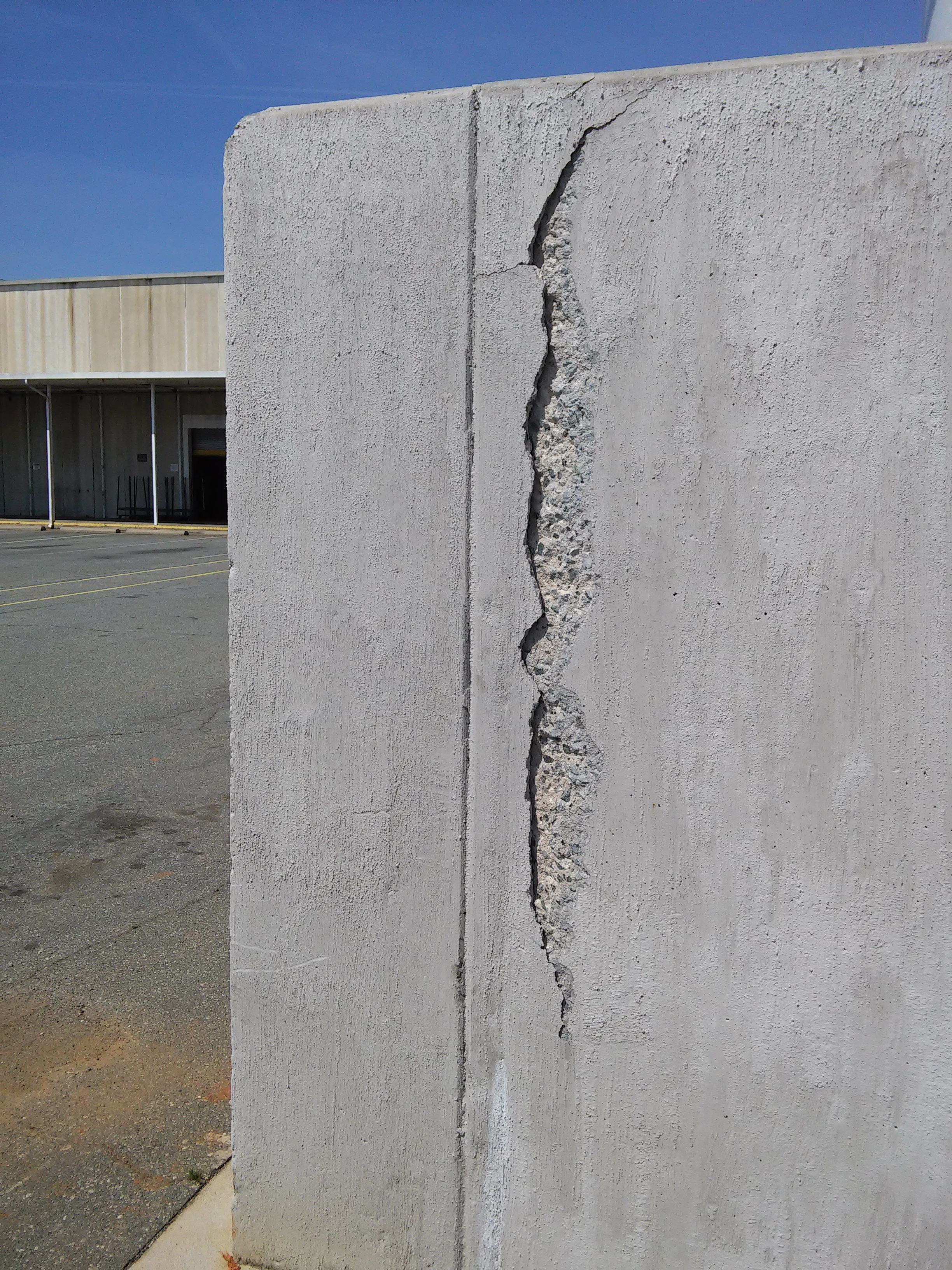
Damaged Oil Storage Containment
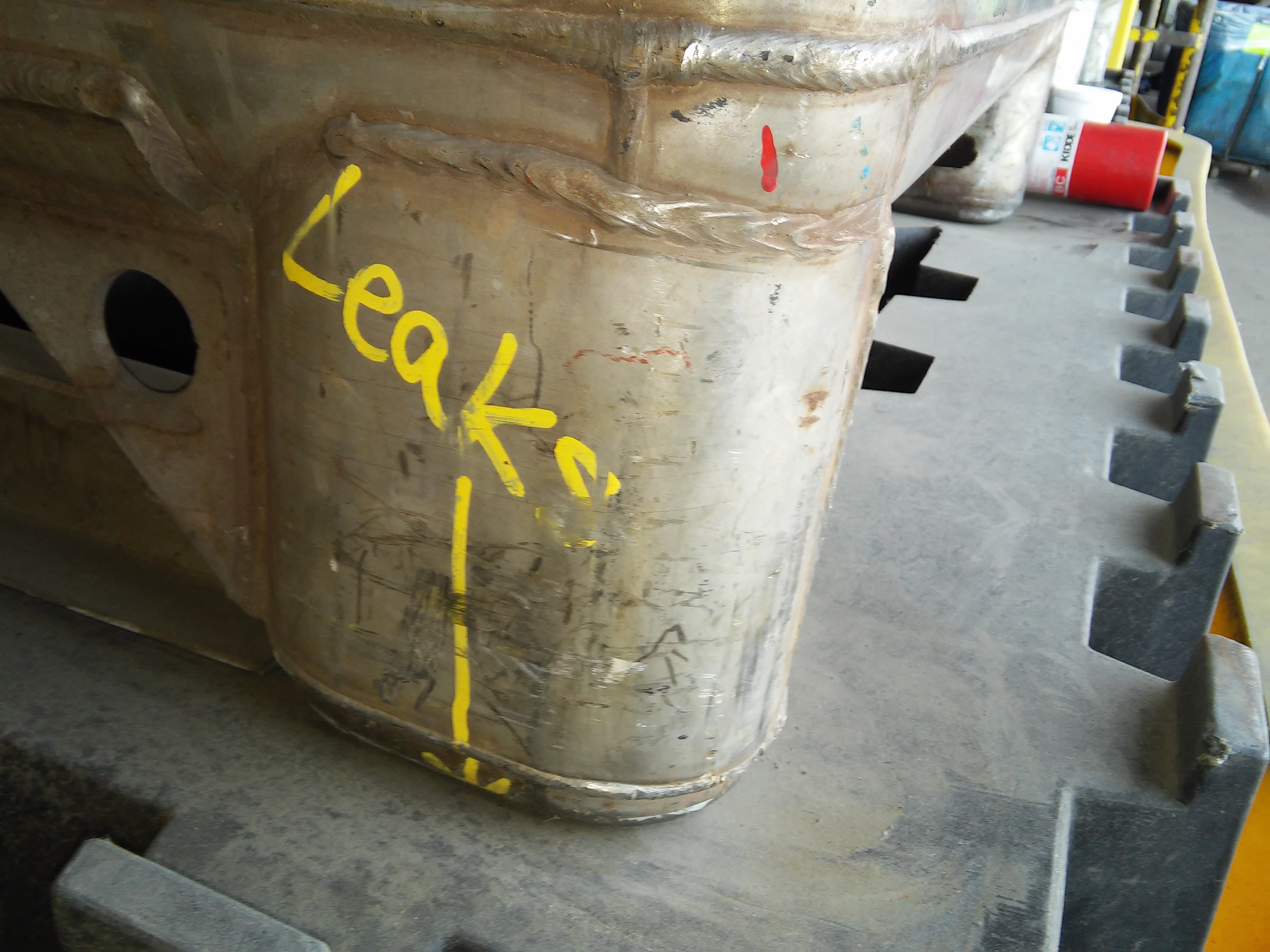
Leaking Waste Solvent Hazardous Waste Tank
Caltha LLP | Your Stormwater Permit,
SWPPP and Spill Plan Partner
Tuesday, February 20, 2018
Rule On Reporting Mercury And Mercury Added Products
The Lautenberg Act TSCA amendments established reporting deadline(s) and information requirements periodic update and publication of the inventory of mercury supply, use, and trade in the United States. As required under TSCA, the reporting requirements would apply to any person who manufactures mercury or mercury-added products, or otherwise intentionally uses mercury in a manufacturing process.

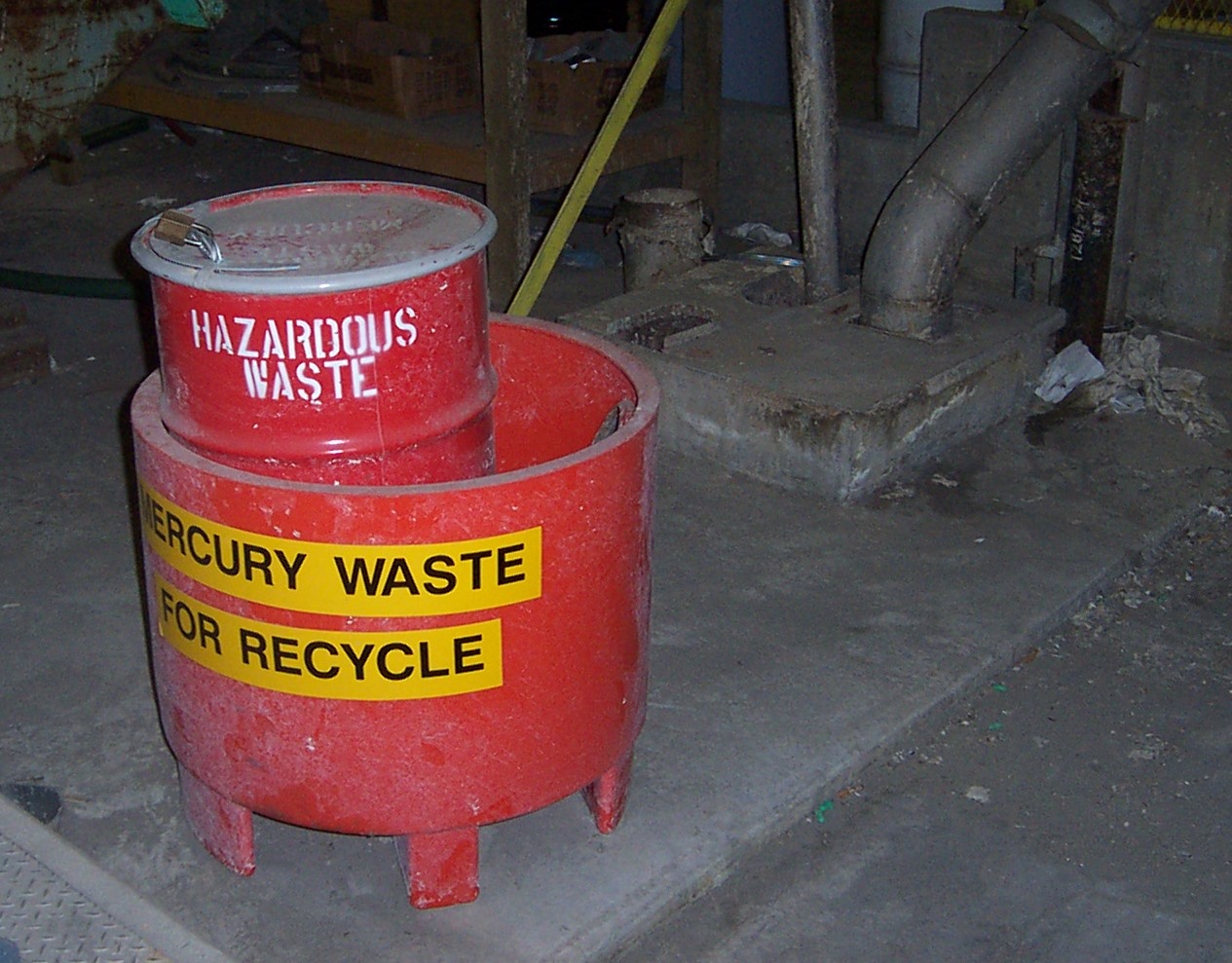
Mislabeled Mercury Waste Drum
Identified During RCRA Audit
On October 26, 2017, EPA issued a proposed rule to implement TSCA section 8(b)(10)(D), which requires EPA to issue a final rule no later than 2 years after the enactment of the Lautenberg Act TSCA amendments that establishes reporting deadline(s) and information requirements. As required under TSCA, the reporting requirements would apply to any person who manufactures mercury or mercury-added products, or otherwise intentionally uses mercury in a manufacturing process.EPA published the first inventory in March 2017. Based on the information collected, TSCA further directs EPA to identify any manufacturing processes or products that intentionally add mercury and recommend actions to achieve further reductions in mercury use.
EPA proposed reporting requirements in the Federal Register of October 26, 2017 to assist in the preparation of an “inventory of mercury supply, use, and trade in the United States.” Subsequently the deadline for the comment period was extended to January 11, 2018. The final rule is anticipated to be published by July 1, 2018.

Mislabeled Mercury Waste Drum
Identified During RCRA Audit
On October 26, 2017, EPA issued a proposed rule to implement TSCA section 8(b)(10)(D), which requires EPA to issue a final rule no later than 2 years after the enactment of the Lautenberg Act TSCA amendments that establishes reporting deadline(s) and information requirements. As required under TSCA, the reporting requirements would apply to any person who manufactures mercury or mercury-added products, or otherwise intentionally uses mercury in a manufacturing process.EPA published the first inventory in March 2017. Based on the information collected, TSCA further directs EPA to identify any manufacturing processes or products that intentionally add mercury and recommend actions to achieve further reductions in mercury use.
EPA proposed reporting requirements in the Federal Register of October 26, 2017 to assist in the preparation of an “inventory of mercury supply, use, and trade in the United States.” Subsequently the deadline for the comment period was extended to January 11, 2018. The final rule is anticipated to be published by July 1, 2018.
Caltha LLP | Your EH&S Compliance,
Auditing and EMS/SMS Partner
Monday, February 19, 2018
Compliance Audit For Atlanta Chemical Packaging Plant
Caltha LLP Project Summary
Project: Multi-media Environmental Compliance AuditClient: Chemical Repackaging Plant
Location(s): Georgia
Key Elements: Compliance audit
Overview: Caltha preformed a multimedia compliance audits for this chemical mixing and repackaging operation located near Atlanta, Georgia. The scope of the audit included Federal, State, County and City requirements in addition to company policies and industry standards applicable to the operations environmental aspects. Regulatory programs addressed in the audit included:
OSHA
Hazard Communication
EPCRA
EPCRA 311-312,
EPCRA 313
Hazardous and Solid Waste Management
Federal RCRA rules
State waste rules
Universal waste rules
Clean Air Act
Federal air emission rules
Federal NESHAP standards
Federal RMP rule
Site air emission permit
State air emission rules
Clean Water Act
Authorized/Unauthorized Discharges
Stormwater Discharge NEC compliance
SPCC Rule Compliance
Spill Notification and Reporting
Federal Industrial pretreatment rules
Industrial discharger permit
TSCA
Current registration
Inventory Update Rule IUR Reporting
Chemical Data Rule CDR Reporting
Tanks
Aboveground tank rules
Underground tank rules
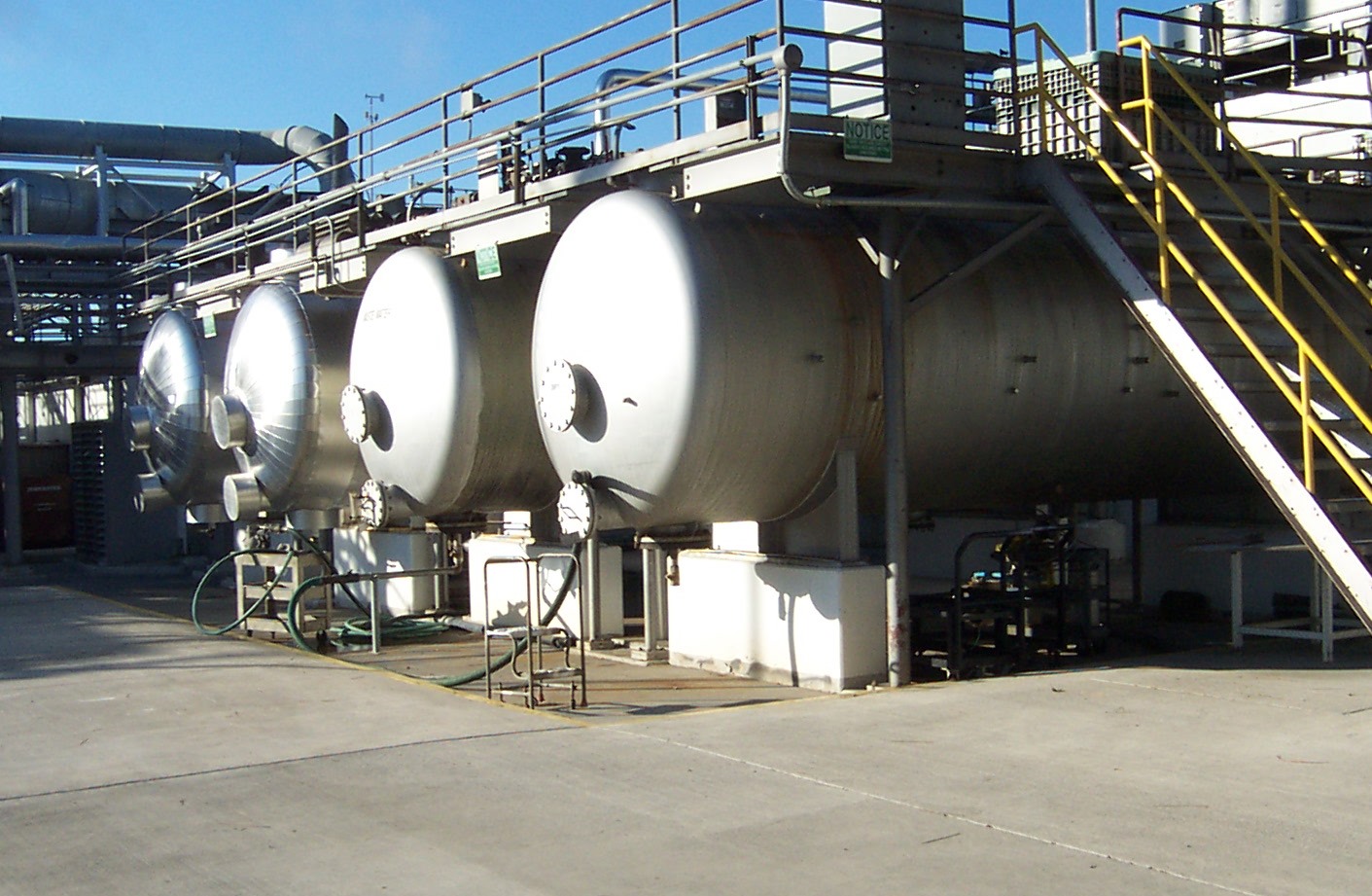
Aboveground Product Vessels
For more information on Caltha LLP services, go to the Caltha Contact Page
Caltha LLP | Your EHS Compliance, Auditing
and EMS/SMS Partner
Sunday, December 31, 2017
2016 OSHA Silica Rule Upheld By Federal Court
On December 22 the U.S. Court of Appeals for the District of Columbia upheld the OSHA crystalline silica rule, rejecting all objections raised by industry groups. In 2016, OSHA published a final rule regulating workplace exposure to silica, Occupational Exposure to Respirable Crystalline Silica (29 CFR 1910, 1915 and 1926).
The industry groups had petitioned for review of several issues:
The Court rejected the unions’ challenge to the construction standard’s 30-day trigger for medical surveillance, however the Court did find that OSHA was arbitrary and capricious in declining to require MRP for some period when a medical professional recommends permanent removal, when a medical professional recommends temporary removal to alleviate COPD symptoms, and when a medical professional recommends temporary removal pending a specialist’s determination. The Court concluded that OSHA failed to adequately explain its decision to omit medical removal protections from the rule and remanded that portion of the rule back to OSHA for further consideration.
The industry groups had petitioned for review of several issues:
- Whether substantial evidence supports OSHA’s finding that limiting workers’ silica exposure to the level set by the rule reduces a significant risk of material health impairment.
- Whether substantial evidence supports OSHA’s finding that the rule is technologically and economically feasible
- Whether OSHA had complied with the Administrative Procedure Act (APA) in promulgating the rule, and
- Whether substantial evidence supports two provisions of the rule, which allow workers who undergo medical examinations to keep the results confidential from their employers and prohibiting employers from using dry cleaning methods unless doing so is infeasible.
The Court rejected the unions’ challenge to the construction standard’s 30-day trigger for medical surveillance, however the Court did find that OSHA was arbitrary and capricious in declining to require MRP for some period when a medical professional recommends permanent removal, when a medical professional recommends temporary removal to alleviate COPD symptoms, and when a medical professional recommends temporary removal pending a specialist’s determination. The Court concluded that OSHA failed to adequately explain its decision to omit medical removal protections from the rule and remanded that portion of the rule back to OSHA for further consideration.
Thursday, October 12, 2017
Rule on Management of Hazardous Waste Pharmaceuticals
The EPA Management Standards for Hazardous Waste Pharmaceuticals Rule was published in the Federal Register on September 25, 2015. EPA received a number of requests to extend the comment period and in response provided a 30-day extension. A notice announcing this extension was published in the Federal Register on November 5, 2015.
The rule proposes a tailored, sector-specific set of regulations for the management of hazardous waste pharmaceuticals by healthcare facilities (including pharmacies) and reverse distributors. It is intended to provide standards to ensure the management of hazardous waste pharmaceuticals is safe and workable within the healthcare setting. In addition, the proposed pharmaceutical rule is intended to reduce the amount of pharmaceuticals entering surface water.
States, such as Washington, has proposed their own interim policies regarding shipping of waste drugs which would otherwise be regulated as hazardous waste or dangerous waste.
The rule proposes a tailored, sector-specific set of regulations for the management of hazardous waste pharmaceuticals by healthcare facilities (including pharmacies) and reverse distributors. It is intended to provide standards to ensure the management of hazardous waste pharmaceuticals is safe and workable within the healthcare setting. In addition, the proposed pharmaceutical rule is intended to reduce the amount of pharmaceuticals entering surface water.
States, such as Washington, has proposed their own interim policies regarding shipping of waste drugs which would otherwise be regulated as hazardous waste or dangerous waste.

Wednesday, October 11, 2017
Beryllium Worker Exposure Rule Deadlines
OSHA has issued a final rule limiting worker exposure to beryllium and beryllium compounds. The rule contains standards for general industry, construction, and shipyards which take effect on May 20, 2017. Employers must comply with most elements of the rule starting March 12, 2018.
The key provisions of the rule are:
Click here for more details on the safety, health and emergency preparedness services Caltha provides.
Click here to review a sampling of our past safety related projects.
The key provisions of the rule are:
- Reduces the permissible exposure limit (PEL) for beryllium to 0.2 micrograms per cubic meter of air, averaged over 8-hours.
- Establishes a new short term exposure limit for beryllium of 2.0 micrograms per cubic meter of air, over a 15-minute sampling period.
- Requires employers to: use engineering and work practice controls (such as ventilation or enclosure) to limit worker exposure to beryllium; provide respirators when controls cannot adequately limit exposure; limit worker access to high-exposure areas; develop a written exposure control plan; and train workers on beryllium hazards.
- Requires employers to make available medical exams to monitor exposed workers and provides medical removal protection benefits to workers identified with a beryllium-related disease.
Click here for more details on the safety, health and emergency preparedness services Caltha provides.
Click here to review a sampling of our past safety related projects.
Thursday, October 5, 2017
Silica Rule Is Enforced Starting September 2017; General Industry Rule in 2018
US OSHA began enforcing the respirable crystalline silica rule for the construction industry on September 23, 2017. The rule had been set to go into effect in June; however, the Department of Labor and OSHA delayed enforcement of the rule by 90 days. The delay was intended to provide DOL and OSHA additional time to issue guidance to industry regarding compliance. The construction silica rule is a companion to OSHA’s general industry silica rule that is scheduled to be enforceable beginning June 23, 2018.
The rule lowers the permissible exposure limit (PEL) for respirable silica dust in the construction industry, to 50 microgram per cubic meter exposure limit, calculated as an eight-hour time-weighted average (TWA). Employers subject to the construction rule may comply by implementing required engineering and work practice controls and respiratory protection , or by completing exposure assessments of employees above the action level of 25 micrograms per cubic meter.
Under the rule, employers must:
Caltha LLP provides specialized expertise to clients nationwide in the evaluation environmental rules, developing EHS compliance procedures, and preparing cost-effective EHS management programs. For further information contact Caltha LLP at info@calthacompany.com or Caltha LLP Website
The rule lowers the permissible exposure limit (PEL) for respirable silica dust in the construction industry, to 50 microgram per cubic meter exposure limit, calculated as an eight-hour time-weighted average (TWA). Employers subject to the construction rule may comply by implementing required engineering and work practice controls and respiratory protection , or by completing exposure assessments of employees above the action level of 25 micrograms per cubic meter.
Under the rule, employers must:
- Make medical screening available to employees who are required to use a respirator more than 30 or more days per year;
- Develop a written exposure control plan;
- Maintain certain records; and
- Comply with certain limitations on housekeeping practices, such as using wet sweeping, HEPA-filtered vacuuming, or other methods designed to reduce employee exposure when feasible.
Caltha LLP provides specialized expertise to clients nationwide in the evaluation environmental rules, developing EHS compliance procedures, and preparing cost-effective EHS management programs. For further information contact Caltha LLP at info@calthacompany.com or Caltha LLP Website
Thursday, July 20, 2017
PPE Assessment and Employee Exposure Review For Minnesota Manufacturer
Caltha LLP Project Summary
Project: PPE Assessment
Client: Chemical Formulating Facility
Location(s): Minnesota
Key Elements: PPE assessment, OSHA hazard communication, employee training, safety data sheet, employee exposure control
Overview: Caltha LLP was retained by this chemical processing facility to conduct a PPE assessment for specific processing areas, including dry mixing, blending, wet mixing, and packaging. Caltha staff reviewed raw material and finished product safety data sheets, as well as specific tasks being conducted in each area. For each area, a standard set of employee PPE was prescribed; specific materials which require additional or other types of PPE were then identified. Employees were provided training, including visual reminders at each work station, to alert them when PPE beyond the standard was required.
For more information on Caltha LLP services, go to the Caltha Contact Page
Hazardous Waste and DOT Hazardous Material Training For Minnesota Facility
Caltha LLP Project Summary
Project: Employee training on Hazardous Waste management, Universal Waste Management, and DOT HazMat training for shipping of regulated hazardous materialsClient: Medical product manufacturer
Location(s): Minnesota
Key Elements: Waste management, Employee training, DOT hazardous material shipping
Overview: Caltha LLP assisted this medical product manufacturer by conducting employee training sessions at the client's facility covering:
- Hazardous waste management, for conditionally exempt small quality generator (CESQG)
- Universal waste management
- DOT HazMat employee training for individuals responsible for preparing and shipping hazardous materials, including wastes
Hazardous Material Storage Review For Minnesota Manufacturer
Caltha LLP Project Summary
Project: Hazardous Material Storage ReviewClient: Specialty Plastics Manufacturer
Location(s): Minnesota
Key Elements: Haz Mat regulatory review, Site storage inspection
Overview: Caltha LLP was retained by the specialty plastics manufacturer to conduct a review of Federal, State, County and City requirements related to planned on-site storage of several new hazardous materials. Once complete, Caltha staff conducted a pre-start-up on-site review on storage and handling practices and waste management.
For more information on Caltha LLP services, go to the Caltha Contact Page
Wednesday, January 11, 2017
Proposed Amendment of TSCA Chemical Data Reporting Rule
EPA intends to establish a Negotiated Rulemaking Committee under the Federal Advisory Committee Act (FACA) and the Negotiated Rulemaking Act (NRA) to negotiate a proposed rule would limit chemical data reporting requirements for manufacturers of certain inorganic byproduct chemical substances.. The objective of the Negotiated Rulemaking Committee will be to negotiate a proposed rule that would limit chemical data reporting requirements under section 8(a) of the Toxic Substances Control Act (TSCA), as amended by the Frank. R. Lautenberg Chemical Safety for the 21st Century Act, for manufacturers of any inorganic byproduct chemical substances, if byproduct chemical substances are subsequently recycled, reused, or reprocessed.
What is the Negotiated Rulemaking Process?
In 1986, EPA created the Inventory Update Reporting (IUR) regulation under TSCA section 8 to collect, every four years, limited information on the manufacture (which includes import) of organic chemical substances listed on the TSCA Inventory, thereby providing more up-to-date production volume information on the chemical substances in U.S. commerce. In 2005, EPA amended the IUR to require the reporting of information on inorganic chemical substances and to collect additional manufacturing, processing, and use information. Manufacturers of inorganic chemical substances first reported under the IUR in 2006. They also reported under the CDR in 2012 and 2016. Specific reporting requirements for these manufacturers were phased in, to allow for the industry to better understand the reporting requirements and for EPA to gain a better understanding of the industry. In recent years, the regulatory requirement to report byproduct chemical substances (and the availability of exemptions from that requirement) has been a frequent topic of discussion.
In 2011, EPA also stated that it would examine CDR information related to byproduct chemical substances to identify whether there are segments of byproduct chemical substance manufacturing for which EPA can determine that there is no need for the CDR information to continue to be collected, either for 2016 or for future reporting cycles. On June 22, 2016, TSCA was amended by the Lautenberg Act. TSCA now includes a requirement that EPA enter into a negotiated rulemaking, pursuant to the NRA, to develop and publish a proposed rule to limit the reporting requirements under TSCA section 8(a), for manufacturers of any inorganic byproduct chemical substances, when such byproduct chemical substances, whether by the byproduct chemical substance manufacturer or by any other person, are subsequently recycled, reused, or reprocessed.
Caltha LLP provides specialized expertise to clients nationwide in the evaluation environmental rules, developing EHS compliance procedures, and preparing cost-effective EHS management programs.
For further information contact
Caltha LLP at
Wednesday, August 24, 2016
NY DEC Emergency Rule Making Restricting Use Of Perfluorooctane Related Chemcials
The New York State Department of Environmental Conservation (DEC) filed a Notice of Emergency Adoption and Proposed Rule Making to classify perfluorooctanoic acid (PFOA-acid), ammonium perfluorooctanoate (PFOA-salt), perfluorooctane sulfonic acid (PFOS-acid), and perfluorooctane sulfonate (PFOS-salt) as hazardous substances at the request of the New York State Department of Health (NYSDOH).
This rule making also provides time for facilities storing fire-fighting foam containing one or more of these newly listed hazardous substances to properly dispose of it and provides time for firefighting operations to find replacement foams. This proposal also corrects the tables of hazardous substances by providing units for reportable quantities.
The temporary emergency rule was effective on April 25, 2016, while the state finalizes the proposed amendments to 6 NYCRR Part 597, Hazardous Substances Identification, Release Prohibition, and Release Reporting. DEC has concluded that these substances meet the definition of a hazardous substance based upon the conclusion of NYSDOH that the combined weight of evidence from human and experimental animal studies indicates that prolonged exposure to significantly elevated levels of these compounds can affect health and, consequently, pose a threat to public health in New York State when improperly treated, stored, transported, disposed of or otherwise managed. NYSDOH scientists have concluded that it is essential to list these chemicals as hazardous substances.
Once substances are determined to be hazardous substances, DEC regulates their handling and storage and has authority to remediate sites contaminated with them. The Chemical Bulk Storage regulations (6 NYCRR 596-599) provide standards for the proper handling and storage of bulk quantities of hazardous substances to prevent spills and releases to the environment, prohibit the release of hazardous substances to the environment, and require the reporting of certain releases of hazardous substances to DEC. Certain facilities that store hazardous substances must apply to DEC for a registration certificate to operate.
A new provision, paragraph 597.4(a)(3), will allow entities with fire-fighting foam the time necessary to determine if stored foam contains one or more of these hazardous substances. If the stored foam contains one of these substances, the facility would not be allowed to use the foam for fire-fighting after April 25, 2017. It may be used for fire-fighting until then but not for any other purpose such as training. Foam that is prohibited for use after April 25, 2017 should be safely disposed in accordance with federal, state, and local requirements. Replacement foam may not contain a hazardous substance at a concentration that would result in the release of more than the reportable quantity (one pound) when used as a fire-fighting foam.
Caltha LLP provides specialized expertise to clients nationwide in the evaluation environmental rules, developing EHS compliance procedures, and preparing cost-effective EHS management programs. For further information contact Caltha LLP at info@calthacompany.com or Caltha LLP Website
This rule making also provides time for facilities storing fire-fighting foam containing one or more of these newly listed hazardous substances to properly dispose of it and provides time for firefighting operations to find replacement foams. This proposal also corrects the tables of hazardous substances by providing units for reportable quantities.
The temporary emergency rule was effective on April 25, 2016, while the state finalizes the proposed amendments to 6 NYCRR Part 597, Hazardous Substances Identification, Release Prohibition, and Release Reporting. DEC has concluded that these substances meet the definition of a hazardous substance based upon the conclusion of NYSDOH that the combined weight of evidence from human and experimental animal studies indicates that prolonged exposure to significantly elevated levels of these compounds can affect health and, consequently, pose a threat to public health in New York State when improperly treated, stored, transported, disposed of or otherwise managed. NYSDOH scientists have concluded that it is essential to list these chemicals as hazardous substances.
Once substances are determined to be hazardous substances, DEC regulates their handling and storage and has authority to remediate sites contaminated with them. The Chemical Bulk Storage regulations (6 NYCRR 596-599) provide standards for the proper handling and storage of bulk quantities of hazardous substances to prevent spills and releases to the environment, prohibit the release of hazardous substances to the environment, and require the reporting of certain releases of hazardous substances to DEC. Certain facilities that store hazardous substances must apply to DEC for a registration certificate to operate.
A new provision, paragraph 597.4(a)(3), will allow entities with fire-fighting foam the time necessary to determine if stored foam contains one or more of these hazardous substances. If the stored foam contains one of these substances, the facility would not be allowed to use the foam for fire-fighting after April 25, 2017. It may be used for fire-fighting until then but not for any other purpose such as training. Foam that is prohibited for use after April 25, 2017 should be safely disposed in accordance with federal, state, and local requirements. Replacement foam may not contain a hazardous substance at a concentration that would result in the release of more than the reportable quantity (one pound) when used as a fire-fighting foam.
Caltha LLP provides specialized expertise to clients nationwide in the evaluation environmental rules, developing EHS compliance procedures, and preparing cost-effective EHS management programs. For further information contact Caltha LLP at info@calthacompany.com or Caltha LLP Website
Monday, May 13, 2013
Lead Renovation, Repair, and Painting Program Application To Public and Commercial Buildings
US EPA has announced that it will conduct a public meeting on June 26, 2013 to gather public comment regarding extending its Lead Renovation, Repair, and Painting Program to public and commercial buildings. In 2010, EPA issued an advance notice of proposed rulemaking (ANPRM) concerning renovation, repair, and painting activities in public and commercial buildings.
EPA is in the process of determining whether these activities create lead-based paint hazards, and, for those that do, developing certification, training, and work practice requirements as directed by the Toxic Substances Control Act (TSCA). EPA has also reopened the comment period for the December 31, 2012 Federal Register document to allow for additional data and other information to be submitted by the public and interested stakeholders. EPA specifically requested information on the following:
1. The manufacture, sale, and uses of lead-based paint after 1978.
2. The use of lead-based paint on public and commercial buildings.
3. The frequency and extent of renovations of public and commercial buildings.
4. Work practices used to renovate public and commercial buildings.
5. Dust generation and transportation from exterior and interior renovations of public and commercial buildings.
Click here for further background on the application of the LBP Rule to public and commercial buildings
Caltha LLP provides specialized expertise to clients nationwide in the evaluation environmental rules, developing EHS compliance procedures, and preparing cost-effective EHS management programs.
For further information contact Caltha LLP at info@calthacompany.com or Caltha LLP Website
EPA is in the process of determining whether these activities create lead-based paint hazards, and, for those that do, developing certification, training, and work practice requirements as directed by the Toxic Substances Control Act (TSCA). EPA has also reopened the comment period for the December 31, 2012 Federal Register document to allow for additional data and other information to be submitted by the public and interested stakeholders. EPA specifically requested information on the following:
1. The manufacture, sale, and uses of lead-based paint after 1978.
2. The use of lead-based paint on public and commercial buildings.
3. The frequency and extent of renovations of public and commercial buildings.
4. Work practices used to renovate public and commercial buildings.
5. Dust generation and transportation from exterior and interior renovations of public and commercial buildings.
Click here for further background on the application of the LBP Rule to public and commercial buildings
Caltha LLP provides specialized expertise to clients nationwide in the evaluation environmental rules, developing EHS compliance procedures, and preparing cost-effective EHS management programs.
For further information contact Caltha LLP at info@calthacompany.com or Caltha LLP Website

Wednesday, March 13, 2013
Ortho Nitrotoluene Proposed For Be Added To List Of EPCRA TRI Chemicals
EPA is proposing to add ortho-nitrotoluene (o-nitrotoluene) to the list of chemicals subject to reporting under section 313 of the Emergency Planning and Community Right-to-Know Act (EPCRA) and section 6607 of the Pollution Prevention Act (PPA). o-Nitrotoluene has been classified by the National Toxicology Program in their 12th Report on Carcinogens as "reasonably anticipated to be a human carcinogen." EPA believes that o-nitrotoluene meets the EPCRA section 313(d)(2)(B) criteria because it can reasonably be anticipated to cause cancer in humans. Based on EPA’s review of the available production and use information, the agency believes that o-nitrotoluene is expected to be manufactured, processed, or otherwise used in quantities that would exceed the EPCRA section 313 reporting thresholds.
Comments on the proposed addition of o-Nitrotoluene to the list of TRI chemicals must be received on or before May 13, 2013.
Caltha LLP provides specialized expertise to clients nationwide in the preparing and submitting annual toxic release inventory reports, and preparing cost-effective chemical tracking procedures.
For further information contact Caltha LLP at info@calthacompany.com or Caltha LLP Website
Comments on the proposed addition of o-Nitrotoluene to the list of TRI chemicals must be received on or before May 13, 2013.
Caltha LLP provides specialized expertise to clients nationwide in the preparing and submitting annual toxic release inventory reports, and preparing cost-effective chemical tracking procedures.
For further information contact Caltha LLP at info@calthacompany.com or Caltha LLP Website
Wednesday, March 6, 2013
Petition To Remove Acetonitrile From TRI Reporting Requirements Denied By EPA
EPA has announced that it is denying a petition to remove acetonitrile from the list of chemicals subject to reporting requirements under section 313 of the Emergency Planning and Community Right-to-Know Act of 1986 (EPCRA) and section 6607 of the Pollution Prevention Act of 1990 (PPA). EPA reviewed the available data on this chemical and determined that acetonitrile does not meet the deletion criterion of EPCRA section 313(d)(3), specifically due to its potential human health impacts.
EPCRA section 313(d) authorizes EPA to add or delete chemicals from the list and sets criteria for these actions. EPA may add a chemical to the list if any of the listing criteria in Section 313(d)(2) are met. To remove a chemical from the list, EPCRA requires that EPA demonstrate that none of the listing criteria are met. The EPCRA section 313(d)(2) criteria are:
(A) The chemical is known to cause or can reasonably be anticipated to cause significant adverse acute human health effects at concentration levels that are reasonably likely to exist beyond facility site boundaries as a result of continuous, or frequently recurring, releases.
(B) The chemical is known to cause or can reasonably be anticipated to cause cancer or teratogenic effects, or other serious or irreversible chronic health effects.
(C) The chemical is known to cause or can be reasonably anticipated to cause significant adverse effect on the environment, because of its toxicity, persistence in the environment, or tendency to bioaccumulate in the environment
Caltha LLP provides specialized expertise to clients nationwide in the providing technical assistance in preparing Toxic Release Inventory (TRI) Reports, and other environmental reporting requirements under EPCRA.
For further information contact Caltha LLP at info@calthacompany.com or Caltha LLP Website
EPCRA section 313(d) authorizes EPA to add or delete chemicals from the list and sets criteria for these actions. EPA may add a chemical to the list if any of the listing criteria in Section 313(d)(2) are met. To remove a chemical from the list, EPCRA requires that EPA demonstrate that none of the listing criteria are met. The EPCRA section 313(d)(2) criteria are:
(A) The chemical is known to cause or can reasonably be anticipated to cause significant adverse acute human health effects at concentration levels that are reasonably likely to exist beyond facility site boundaries as a result of continuous, or frequently recurring, releases.
(B) The chemical is known to cause or can reasonably be anticipated to cause cancer or teratogenic effects, or other serious or irreversible chronic health effects.
(C) The chemical is known to cause or can be reasonably anticipated to cause significant adverse effect on the environment, because of its toxicity, persistence in the environment, or tendency to bioaccumulate in the environment
Caltha LLP provides specialized expertise to clients nationwide in the providing technical assistance in preparing Toxic Release Inventory (TRI) Reports, and other environmental reporting requirements under EPCRA.
For further information contact Caltha LLP at info@calthacompany.com or Caltha LLP Website
Monday, January 28, 2013
Revised TSCA Requirements for Ethaneperoxoic acid, 1,1-dimethylpropyl ester
Under the Toxic Substances Control Act (TSCA), EPA is proposing to amend the significant new use rule (SNUR) for the chemical ethaneperoxoic acid, 1,1-dimethylpropyl ester, which was the subject of premanufacture notice (PMN). This action would amend the SNUR to allow certain uses without requiring a significant new use notice (SNUN), and would extend SNUN requirements to certain additional uses. EPA is proposing this amendment based on review of new toxicity test data. Comments must be received on or before February 27, 2013.
After the review of new test data subsequent to issuance of the TSCA section 5(e) consent order for the chemical and consideration of the factors included in TSCA section 5(a)(2), EPA determined that the chemical substance meets one or more of the concern criteria, but that these criteria are no longer met for the personal protective equipment, hazard communication, and specific use notification requirements. Consequently, EPA is proposing this modification to the SNUR.
Caltha LLP provides specialized expertise to clients nationwide in the evaluation environmental rules, developing EHS compliance procedures, and preparing cost-effective EHS management programs.
For further information contact Caltha LLP at info@calthacompany.com or Caltha LLP Website
After the review of new test data subsequent to issuance of the TSCA section 5(e) consent order for the chemical and consideration of the factors included in TSCA section 5(a)(2), EPA determined that the chemical substance meets one or more of the concern criteria, but that these criteria are no longer met for the personal protective equipment, hazard communication, and specific use notification requirements. Consequently, EPA is proposing this modification to the SNUR.
Caltha LLP provides specialized expertise to clients nationwide in the evaluation environmental rules, developing EHS compliance procedures, and preparing cost-effective EHS management programs.
For further information contact Caltha LLP at info@calthacompany.com or Caltha LLP Website
Friday, January 25, 2013
Proposed SNURs Under Toxic Substances Control Act
EPA is proposing significant new use rules (SNURs) under the Toxic Substances Control Act (TSCA) for four chemical substances which were the subject of premanufacture notices (PMNs). The proposed rule would require persons who intend to manufacture, import, or process any of the chemical substances for an activity that is designated as a significant new use by this proposed rule to notify EPA at least 90 days before commencing that activity. Comments on the proposed rule must be received on or before February 22, 2013.
The chemicals subject to the proposed SNUR are:
As background, Section 5(a)(2) of TSCA authorizes EPA to determine that a use of a chemical substance is a "significant new use." EPA must make this determination by rule after considering all relevant factors, including
Caltha LLP provides specialized expertise to clients nationwide in the evaluation environmental rules, developing EHS compliance procedures, and preparing cost-effective EHS management programs. For further information contact Caltha LLP at info@calthacompany.com or Caltha LLP Website
The chemicals subject to the proposed SNUR are:
- Pentane, 1,1,1,2,3,3- hexafluoro-4-(1,1,2,3,3,3- hexafluoropropoxy)-CAS number: 870778-34-0
- Three partially fluorinated alcohol substituted glycols (generic).
As background, Section 5(a)(2) of TSCA authorizes EPA to determine that a use of a chemical substance is a "significant new use." EPA must make this determination by rule after considering all relevant factors, including
- The projected volume of manufacturing and processing of a chemical substance.
- The extent to which a use changes the type or form of exposure of human beings or the environment to a chemical substance.
- The extent to which a use increases the magnitude and duration of exposure of human beings or the environment to a chemical substance.
- The reasonably anticipated manner and methods of manufacturing, processing, distribution in commerce, and disposal of a chemical substance.
Caltha LLP provides specialized expertise to clients nationwide in the evaluation environmental rules, developing EHS compliance procedures, and preparing cost-effective EHS management programs. For further information contact Caltha LLP at info@calthacompany.com or Caltha LLP Website
Tuesday, January 22, 2013
Amendment To OSHA Laboratory Practices Guidelines
The Occupational Safety and Health Administration (OSHA) has updated a non-mandatory appendix in OSHA's Occupational Exposure to Hazardous Chemicals in Laboratories Standard. This new revision addresses current laboratory practices, security, and emergency response, as well as promoting safe handling of highly toxic and explosive chemicals and their waste products. The non-mandatory appendix was revised to include the contents of the latest National Academy of Sciences publication entitled, "Prudent Practices in the Laboratory: Handling and Management of Chemical Hazards," 2011 edition. The effective date of this technical amendment to the standard is January 22, 2013.
Caltha LLP provides specialized expertise to clients nationwide in the evaluation environmental rules, developing EHS compliance procedures, and preparing cost-effective EHS management programs. For further information contact Caltha LLP at info@calthacompany.com or Caltha LLP Website
Caltha LLP provides specialized expertise to clients nationwide in the evaluation environmental rules, developing EHS compliance procedures, and preparing cost-effective EHS management programs. For further information contact Caltha LLP at info@calthacompany.com or Caltha LLP Website
Subscribe to:
Posts (Atom)