Showing posts with label Hazardous waste. Show all posts

Sunday, March 18, 2018

Is Hazardous Waste Allowed In City Sewer?

FAQ: Is It Legal To Discharge Hazardous Waste Into Sewer?

Possibly, if certain conditions are met.

The Clean Water Act (CWA) Pretreatment Program regulations require that Industrial Users (IUs) report any substance discharged to the Publicly Owned Treatment Works (POTW) which, if otherwise disposed of, would be considered a Resource Conservation and Recovery Act (RCRA) hazardous waste. Under RCRA’s Domestic Sewage Exclusion (DSE), any mixture of domestic sewage and other wastes that passes through a sewer system to a POTW is not considered a hazardous waste for the purposes of RCRA.

However, reporting of such discharges are regulated under the CWA as follows:
  • 40 CFR 403.12(p) requires a one-time report for each substance discharged to a POTW that, if otherwise disposed of, would be considered RCRA hazardous waste.
  • 40 CFR 403.12(j) requires a report in advance of any substantial change in volume or character of any IU discharge.

Who Must Submit Notification of Hazardous Waste Discharge?

All IUs that discharge a substance that, if otherwise disposed of, would be characteristic or listed wastes under 40 CFR Part 261 and meet the following criteria:
  • Total waste discharged is greater than or equal to 15 kg/month; or
  • Waste discharged is acute hazardous waste.

Where Does Notification Need To Be Sent?

If notification of hazardous waste discharge is required, it needs to be submitted to:
  1. Local Sewerage Authority(i.e., POTW)
  2. EPA Regional Waste Management Director, and
  3. State Hazardous Waste Authority

What Does Notification Need To Include?

The notification must contain:

For hazardous wastes ≥ 15 kg/month or any quantity of acute, the one-time notification from an IU to a POTW must contain:
  1. Name of the hazardous waste as set forth in 40 CFR Part 261.
  2. EPA hazardous waste number (code).
  3. Type of discharge to the sewer (continuous, batch, or other).
  4. A certification that the IU has a program in place to reduce the volume and toxicity of hazardous wastes generated to the degree it has determined to be economically practical.
If the IU discharges more than 100 kg of acute or non-acute hazardous waste per calendar month to the POTW, the notification must also contain the following items of information, to the extent such information is known and available:
  • An identification of the hazardous constituents contained in the hazardous wastes.
  • An estimation of the mass and concentration of such constituents in the waste stream discharged during the calendar month in which the one-time report is made.
  • An estimation of the mass of constituents in the wastestream expected to be discharged during the 12 months following the notification.
Common Questions Regarding Notification Of Hazardous Waste Discharge To City Sewer


Air permit consultant, wastewater permit consultant, stormwater permit consultant, tank permit, RCRA permit 
Caltha LLP | Your Air Permit, Wastewater Permit, 
Storm Water Permit Partner

Wednesday, March 14, 2018

Can I Throw Empty Pesticide Spray Cans In Trash?

How Are Spent Aerosols Containing Pesticides Regulated?

Hazardous waste aerosol cans that contain pesticides are also subject to the requirements of Federal Insecticide, Fungicide, and Rodenticide Act (FIFRA), including compliance with the instructions on the label. In general, the statement on aerosol pesticide product FIFRA labels prohibits the puncturing of the cans. However, in April 2004, EPA issued a determination that puncturing aerosol pesticide containers is consistent with the purposes of FIFRA and is therefore lawful pursuant to FIFRA section 2(ee)(6) provided that the following conditions are met:
  • The puncturing of the container is performed by a person who, as a general part of his or her profession, performs recycling and/or disposal activities;
  • The puncturing is conducted using a device specifically designed to safely puncture aerosol cans and effectively contain the residual contents and any emissions thereof; and
  • The puncturing, waste collection, and disposal, are conducted in compliance with all applicable federal, state and local waste (solid and hazardous waste) and occupational safety and health laws and regulations.
EPA anticipates that this 2004 FIFRA determination would not be affected by the proposed addition of hazardous waste aerosol cans to the universal waste rules.

Tuesday, March 13, 2018

Used Aerosol Cans Could Be Universal Waste Under Proposed Rule

EPA is proposing to add hazardous waste aerosol cans to those “universal wastes” regulated under title 40 of the Code of Federal Regulations (CFR), part 273. This change in the Resource Conservation and Recovery Act (RCRA) regulations, once finalized, will reduce regulatory costs of a wide variety of establishments generating and managing aerosol cans, including the retail sector, by providing a clear, practical system for handling discarded aerosol cans.

How Is Aerosol Can Disposal Currently Regulated?

Aerosol cans frequently contain flammable propellants such as propane or butane which can cause the aerosol can to demonstrate the hazardous characteristic for ignitability. In addition, the aerosol can may also be a hazardous waste if they contain materials that exhibit hazardous characteristics. Similarly, a discarded aerosol can may also be a P or U-listed hazardous waste if it contains a commercial chemical product. Therefore, fir several reasons, spent aerosol cans could be a regulated hazardous waste.


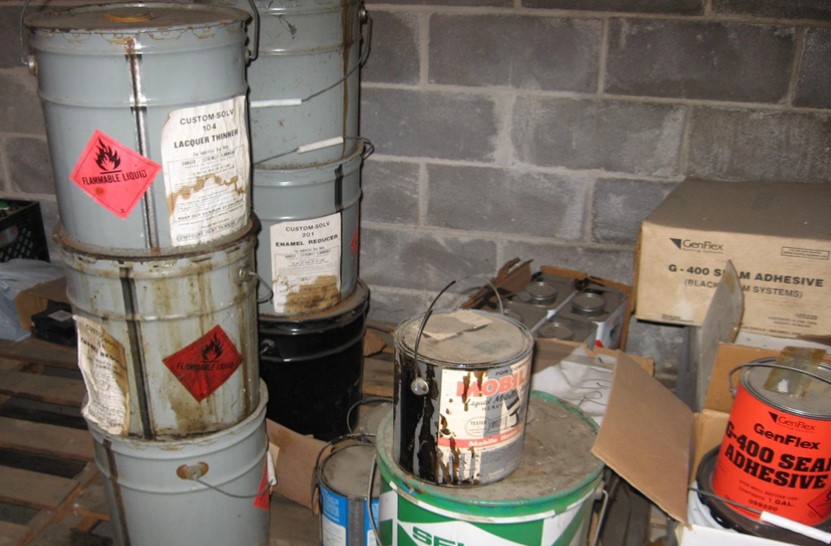
RCRA Audit Finds Improper Flammable Hazardous Waste Storage And Labeling
Waste Audit Finds Improper Flammable Waste Storage And Labeling

How Are Spent Aerosols Containing Pesticides Regulated?

Hazardous waste aerosol cans that contain pesticides are also subject to the requirements of Federal Insecticide, Fungicide, and Rodenticide Act (FIFRA), including compliance with the instructions on the label. In general, the statement on aerosol pesticide product FIFRA labels prohibits the puncturing of the cans. However, in April 2004, EPA issued a determination that puncturing aerosol pesticide containers is consistent with the purposes of FIFRA and is therefore lawful pursuant to FIFRA section 2(ee)(6) provided that the following conditions are met:
  • The puncturing of the container is performed by a person who, as a general part of his or her profession, performs recycling and/or disposal activities;
  • The puncturing is conducted using a device specifically designed to safely puncture aerosol cans and effectively contain the residual contents and any emissions thereof; and
  • The puncturing, waste collection, and disposal, are conducted in compliance with all applicable federal, state and local waste (solid and hazardous waste) and occupational safety and health laws and regulations.
EPA anticipates that this 2004 FIFRA determination would not be affected by the proposed addition of hazardous waste aerosol cans to the universal waste rules.

Does The Proposed Rule On Aerosol Can Disposal Affect State Rules?

If approved, States with approved RCRA programs would need to made revisions to State rules.

Four states, California, Colorado, Utah and New Mexico, already have universal waste aerosol can programs in place, and two more states, Ohio and Minnesota, have proposed to add aerosol cans to their universal waste regulations.


Spent Aerosol Cans Being Handled As Universal Waste

Are Any Containers Excluded From the Proposed Rule?

EPA intends the rule to be limited to sealed containers whose intended use is to dispense a material by means of a propellant or compressed gas.  Other types of containers, including compressed gas canisters and propane cylinders, present a greater risk than aerosol cans and would not be included.

EPA specifically excludes aerosol cans that have been emptied of their contents (both propellant and product). Once the contents of a universal waste aerosol can have been removed, the emptied can is considered a new point of generation and is subject to a hazardous waste determination.. An aerosol can that meets the definition of empty container is not subject to hazardous waste regulation, and may be recycled as scrap metal.

The proposed rule also excludes aerosol cans that show evidence of leakage, spillage, or damage that could cause leakage under reasonably foreseeable conditions. Through this exclusion, EPA intends that hazardous waste aerosol cans that are not intact continue to be subject to the full hazardous waste standards.

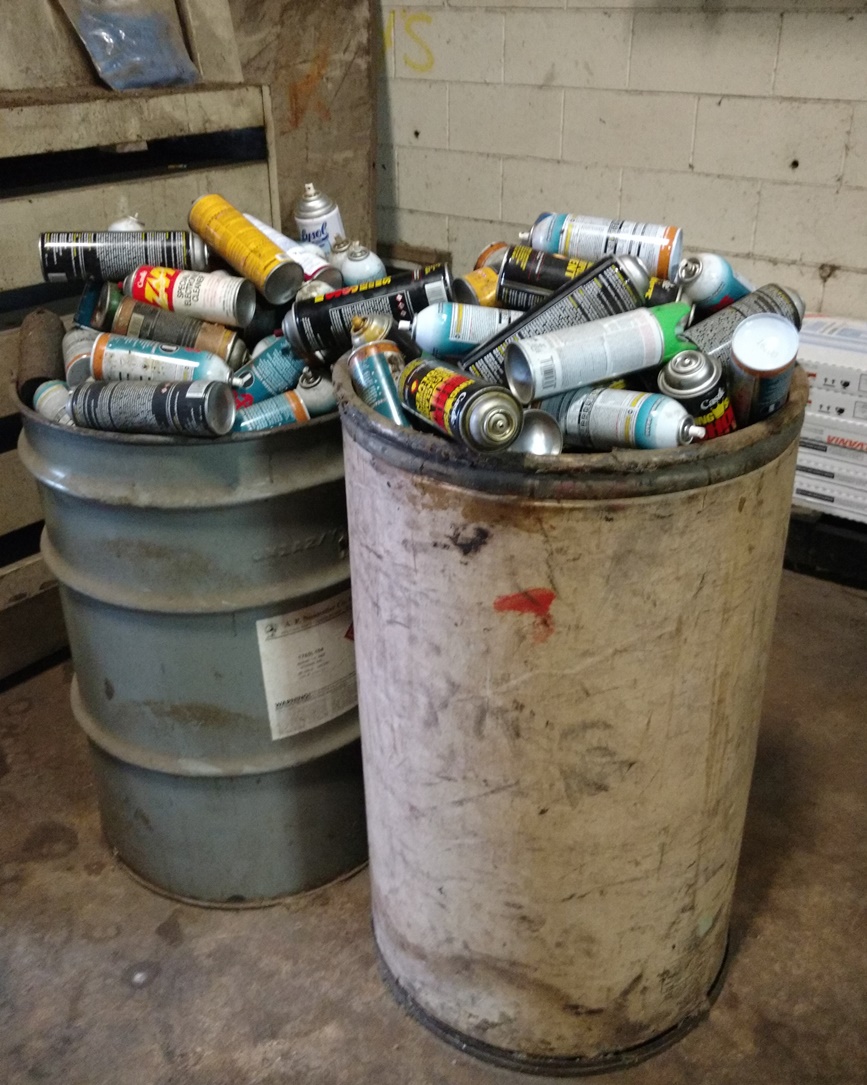
Aerosol cans can be regulated as a hazardous waste unless emptied completely
Aerosol Cans Being Stored For Disposal or Recycling


What Handling Requirements Are Proposed?

Under this proposed rule, the existing universal waste requirements currently applicable to small quantity handlers of universal waste (SQHUWs) and large quantity handlers of universal waste (LQHUWs) would also be applicable to handlers of discarded aerosol cans. For both SQHUWs and LQHUWs, these requirements include:
  • waste management standards,
  • labeling and marking,
  • accumulation time limits,
  • employee training,
  • response to releases,
  • requirements related to off-site shipments, and
  • export requirements.
For the labeling requirement, EPA is proposing that either each aerosol can, or a container in which the aerosol cans are contained, must be labeled or marked clearly with any of the following phrases: “Universal Waste—Aerosol Can(s),” “Waste Aerosol Can(s)”, or “Used Aerosol Can(s)”.

In addition, EPA is proposing that small and large quantity universal waste handlers must follow certain specific management standards while handling their aerosol cans. Under this proposal, all handlers must manage their universal waste aerosol cans in a manner designed to prevent releases to the environment. This includes accumulating universal waste aerosol cans in containers that are structurally sound and compatible with the contents of the can, and show no evidence of leaks, spills, or damage that could cause leaks under reasonably foreseeable conditions. Handlers may sort aerosol cans by type and consolidate intact aerosol cans in larger containers, remove actuators to reduce the risk of accidental release, and under certain conditions, may puncture and drain aerosol cans that are being recycled..

Future of Aerosol Can Puncturing Under Proposed EPA Rule


expert consulting support of EH&S program development, compliance management, auditing, environmental management system, and safety management system. 
Caltha LLP | Your EH&S Compliance, Auditing and EMS/SMS Partner

Wednesday, March 7, 2018

Information Collection Request For Recycled Hazardous Secondary Materials

EPA has proposed an extension of an “information collection request,” or ICR, regarding recordkeeping related to the recycling of hazardous secondary materials. The specific requirements affected by the ICR request include shipping records and receipts, financial assurance requirements, personnel training, labeling storage containers, and emergency preparedness and response conditions. These information requests were set to expire in April of this year. The information requirements proposed for extension impact generators, verified recyclers, contractors, and others involved in shipping, transporting, and recycling hazardous secondary materials under the exclusions added in the 2015 Final Rule. These exclusions are found at 40 CFR 261.4(a)(23), (24), and (27), and the revised speculative accumulation requirement at 40 CFR 261.1(c)(8).

EPA is soliciting comments and information  to:
  • Evaluate whether the proposed collection of information is necessary for the proper performance of the functions of the Agency;
  • evaluate the accuracy of the Agency's estimate of the burden of the proposed collection of information;
  • enhance the quality, utility, and clarity of the information to be collected; and
  • minimize the burden of the collection of information on those who are to respond.
EPA will consider comments received and amend the ICR as appropriate, and final ICR package will then be submitted to OMB for review and approval. At that time, the EPA will issue another Federal Register notice to announce the submission of the ICR to OMB and the opportunity to submit additional comments to OMB.The comment period would end April, 27, 2018.

This action would extend paperwork requirements that originate from a January 2015 Final Rule that revised EPA’s Definition of Solid Waste to exclude certain hazardous secondary materials from regulation under RCRA. In addition to new exclusions, the Final Rule added recordkeeping rules EPA says ensure regulated entities meet their responsibilities and help inspectors verify compliance.


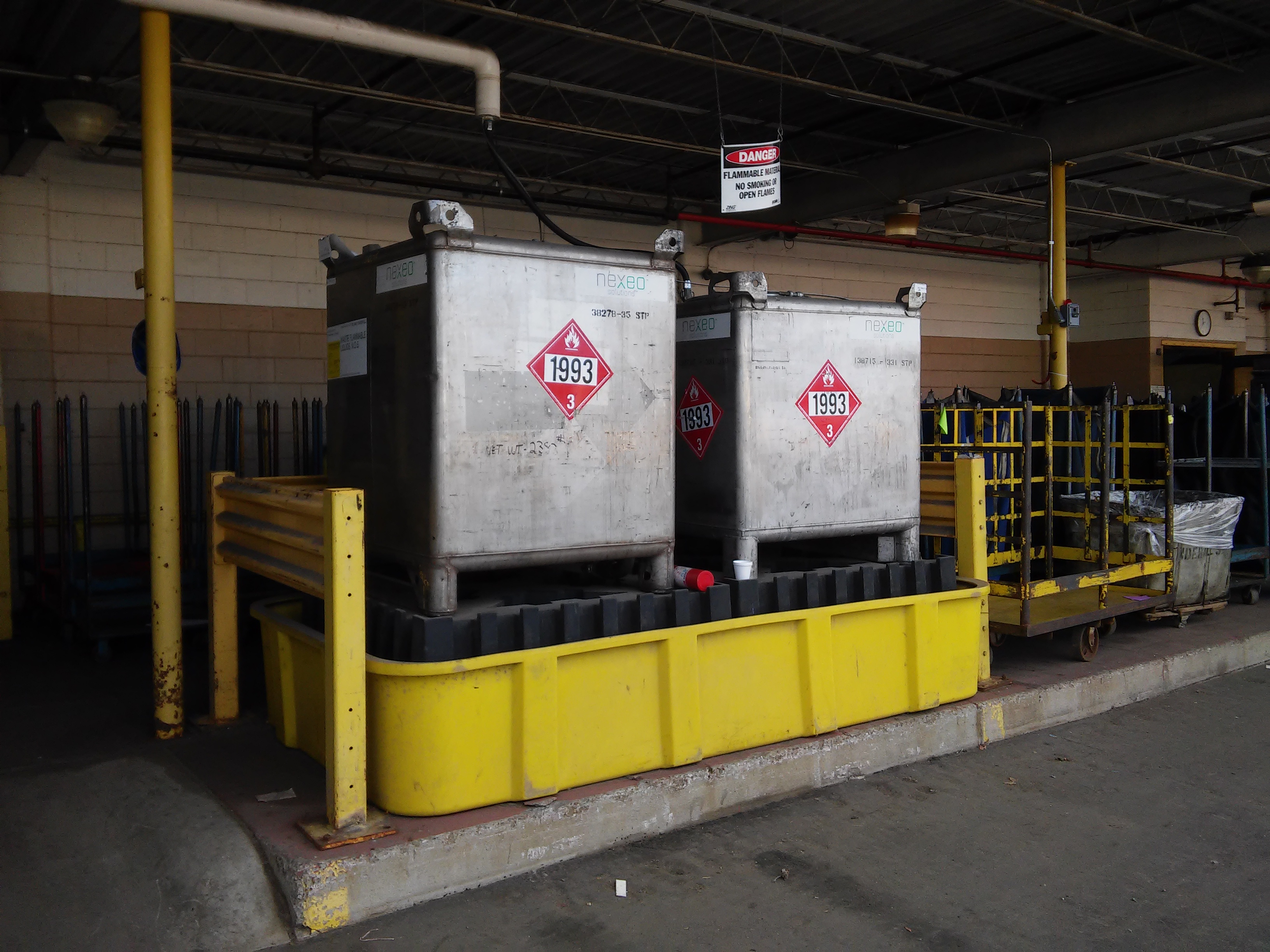
Tanks for flammable waste solvent storage
Flammable Hazardous Waste Storage

Background On Definition Of Solid Waste Rule


In 2015 the EPA published final revisions to the definition of solid waste that exclude certain hazardous secondary materials from regulation (80 FR 1694, January 13, 2015). The information requirements help ensure that (1) entities operating under the regulatory exclusions are held accountable to the applicable requirements; (2) state inspectors can verify compliance with the restrictions and conditions of the exclusions when needed; and (3) hazardous secondary materials exported for recycling are actually handled as commodities abroad.

Paperwork requirements finalized in that rule include:
  • Under the generator-controlled exclusion at 40 CFR 261.4(a)(23), the tolling contractor has to maintain at its facility for no less than three years records of hazardous secondary materials received pursuant to its written contract with the tolling manufacturer, and the tolling manufacturer must maintain at its facility for no less than three years records of hazardous secondary materials shipped pursuant to its written contract with the tolling contractor. In addition, facilities performing the recycling of hazardous secondary materials under the generator-controlled exclusions at 40 CFR 261.4(a)(23) to maintain documentation of their legitimacy determination onsite.
  • Under the verified recycler exclusion at 40 CFR 261.4(a)(24), a verified hazardous secondary materials recycler or an intermediate facility who has obtained a solid waste variance must meet the following conditions: Having financial assurance in place, having trained personnel, and meeting emergency preparedness and response conditions.
    Under the remanufacturing exclusion at 40 CFR 261.4(a)(27), both the hazardous secondary material generator and the remanufacturer must maintain records of shipments and confirmations of receipts for a period of three years from the dates of the shipments.
  • Under the revised speculative accumulation requirement in 261.1(c)(8), all persons subject to the speculative accumulation requirements must label the storage unit by indicating the first date that the material began to be accumulated.

expert consulting support of EH&S program development, compliance management, auditing, environmental management system, and safety management system. 
Caltha LLP | Your EH&S Compliance, 
Auditing and EMS/SMS Partner
Wednesday, February 21, 2018

New Hazardous Waste Rule Effective In North Carolina

The Hazardous Waste Generator Improvement Rule amended the Federal RCRA rules and enacted several important changes in how hazardous waste is managed. The Federal Rule was finalized in November 26, 2016 and became effective in a few States (Iowa, Alaska) on May 30, 2017. For all other States where implementation of RCRA had been delegated to State agencies, the Hazardous Waste Generator Improvement Rule did not become effective until States formally amended State rules to include these new provisions. Because some elements of the Hazardous Waste Generator Improvement Rule were less stringent that the existing RCRA rules, States had the option to include or exclude those portions when adopting their own State laws. For those portions of the Hazardous Waste Generator Improvement Rule that were more stringent than the existing RCRA rules, States were required to accept Federal rules in order to maintain an approved RCRA program.

Click here for a summary of the Hazardous Waste Generator Improvement Rule.


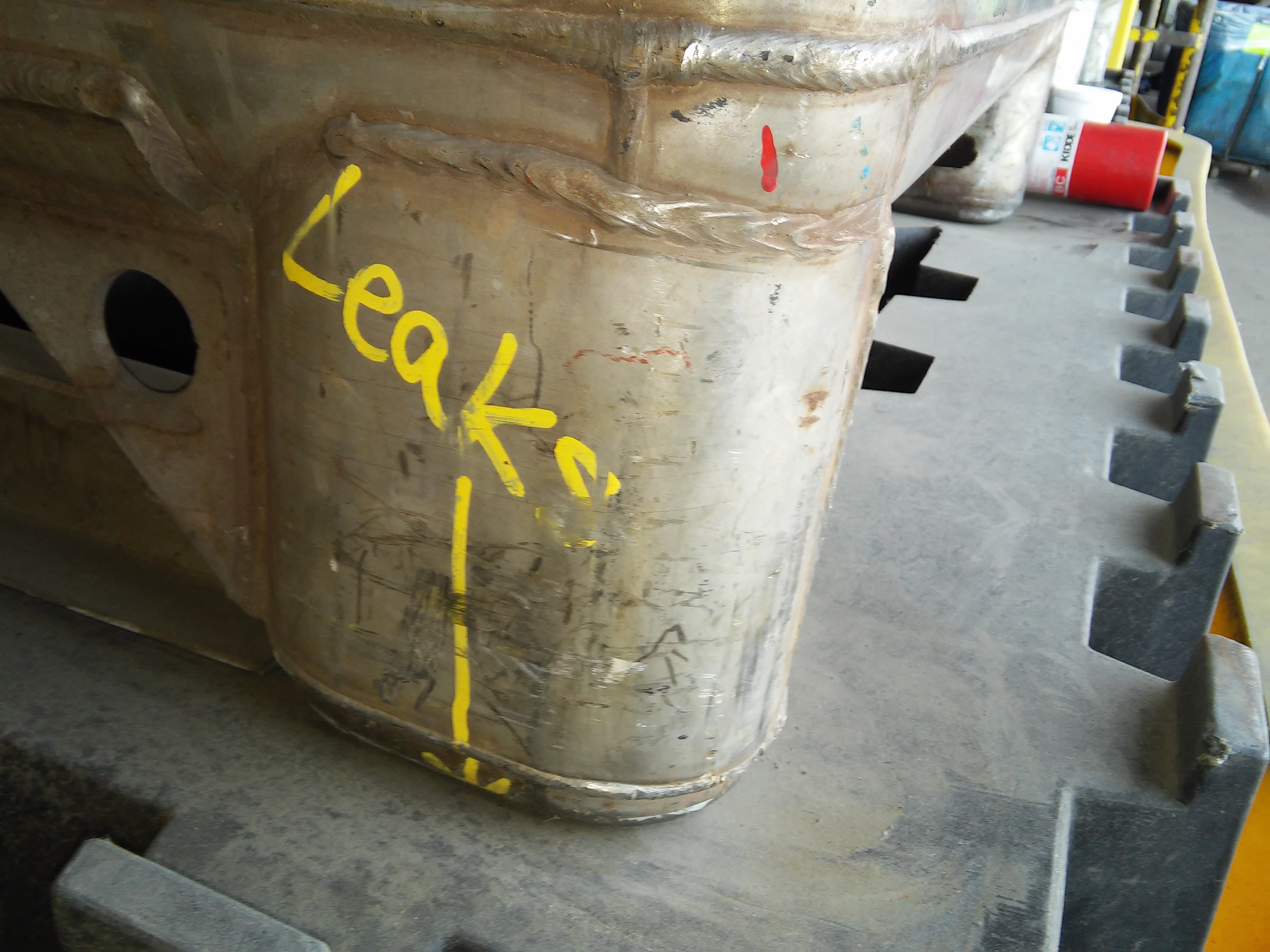
This photo shows an example of a Leaking Waste Solvent Hazardous Waste Tank identified during a hazardous waste inspection
Leaking Waste Solvent Hazardous Waste Tank


In 2017, The North Carolina  Department of Environmental Quality put a hold on all State rulemaking in order to go through a formal rulemaking process to incorporate the Hazardous Waste Generator Improvement Rule. That process was concluded in 2017. The State of North Carolina has finalized the updated hazardous waste rules which become effective on March 1, 2018.

Click here for more North Carolina regulatory updates and Caltha project examples from North Carolina.


Caltha LLP | Your EH&S Compliance, Auditing 
and EMS/SMS Partner

Tuesday, February 20, 2018

Five Avoidable Hazardous Waste Compliance Violations

EPA, State and local agencies regularly inspect hazardous waste generators to determine compliance with the hazardous waste regulations and laws. Listed below are some of the most common hazardous waste rule violations observed by inspectors during compliance inspections along with some tips for how to avoid those violations.


1. Waste Evaluation

Violation: Disposing of unevaluated or inadequately evaluated products or materials used at your site as nonhazardous waste.

You can use generator knowledge to assume your waste is hazardous, but you may need to test your waste for certain characteristics or properties such as heavy metals, flashpoint, pH and VOCs, to show it is nonhazardous.

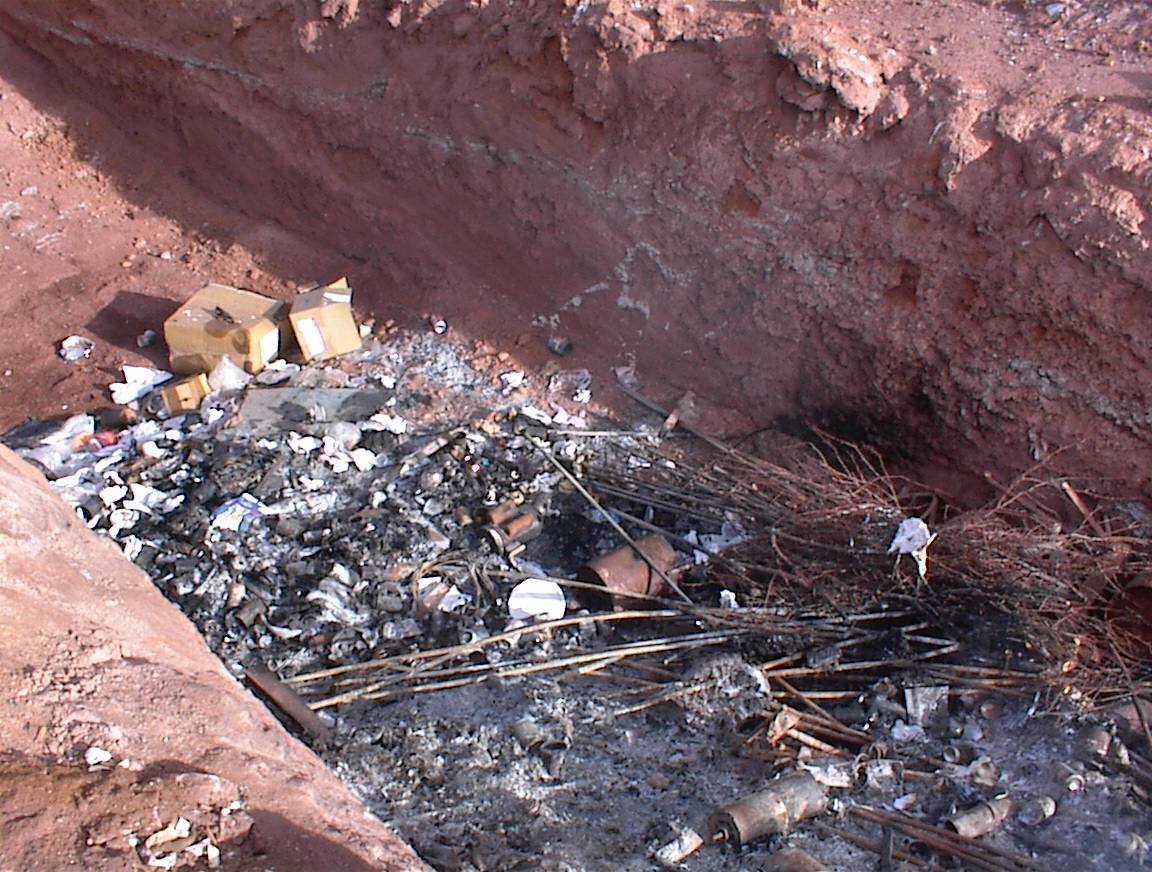
Industrial Waste Disposal Burn Pit Observed During RCRA Audit Inspection
Industrial Waste Disposal Burn Pit Observed During Inspection


Abandoned Chemical Products Stored In Lieu Of Disposal


2. Labeling

Violation: Missing or illegible waste description, generator information, accumulation start dates and other required information.

Hazardous waste containers must be labeled with the words “Hazardous Waste,” a description of the waste and the accumulation start date.

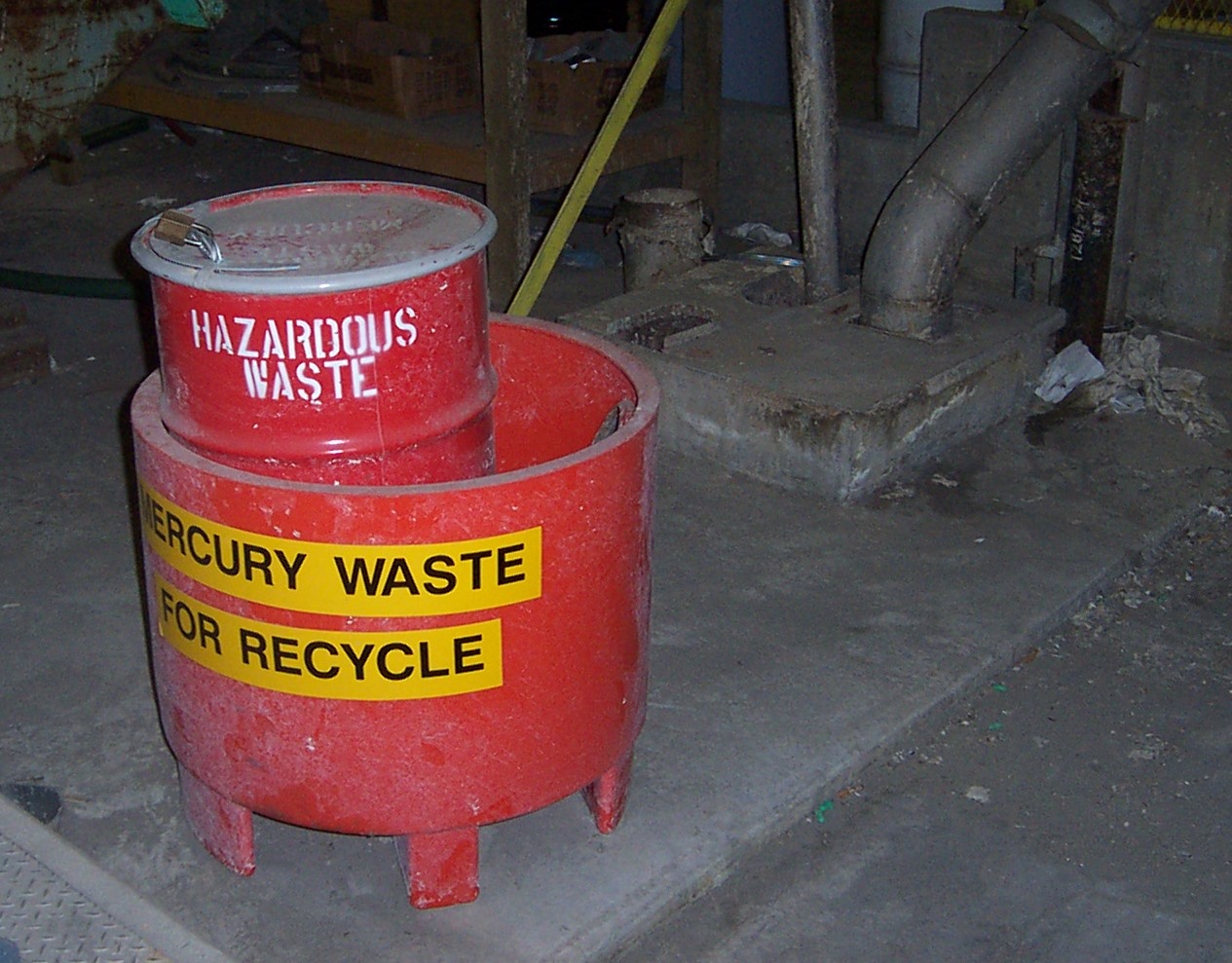
Mislabeled Mercury Waste Drum Identified During waste Audit
Mislabeled Mercury Waste Drum Identified During RCRA Audit

3. Open Container

Violation: Though funnel is covered, it is not designed with a closure device to withhold contents if overturned.

Container must be closed and have a closure device that is designed to withhold contents if container is overturned.


RCRA Audit Finds Improper Flammable Hazardous Waste Storage And Labeling
Waste Audit Finds Improper Flammable Waste Storage And Labeling


4. Universal Waste Lamp and Battery Management

Violation: Lamps (intact or broken) and regulated batteries are not stored in appropriate containers.


5. Record keeping

Violation: Evaluation records not kept at the licensed site or made easily available for inspection.

Violation: Missing or incomplete SQG or LQG training records for hazardous waste personnel.

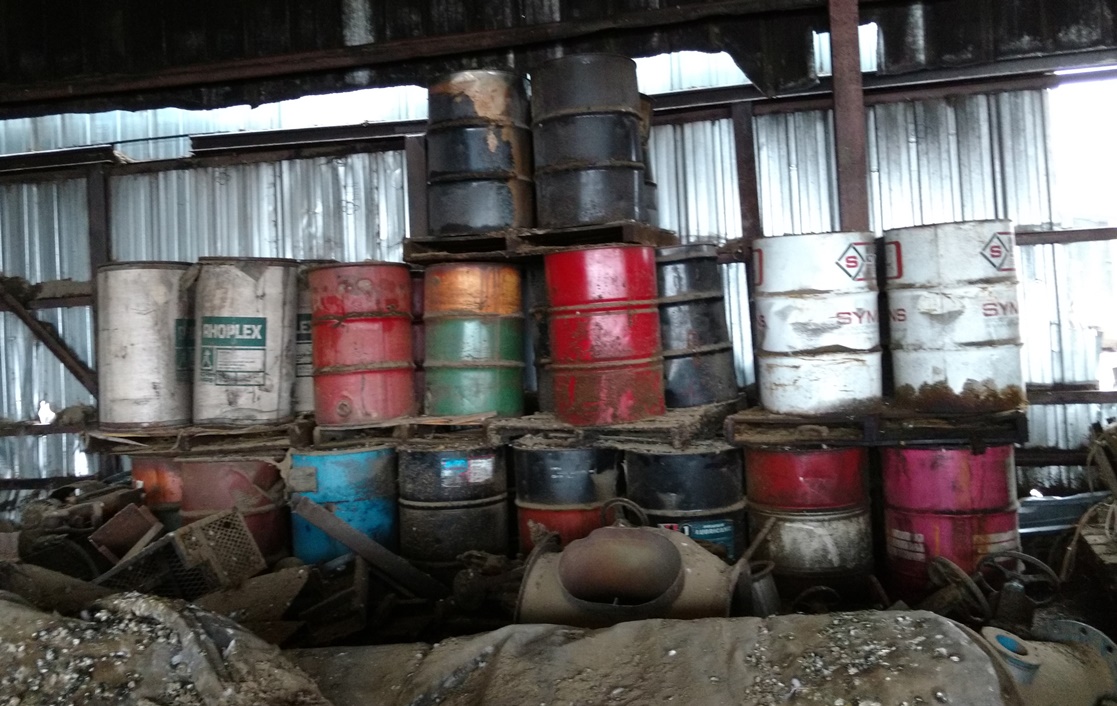
Leaking Hazardous Waste Drums Discovered During Facility Phase 1 Environmental Inspection
Leaking Waste Drums Discovered During Facility Inspection

Thursday, February 15, 2018

New EPA Hazardous Waste Form 8700

US EPA has updated the standard form waste generators use to obtain a facility EPA ID number and provide notification and updates to regulated waste activities at their location.

Mislabeled Mercury Waste Drum Identified During waste Audit
Mislabeled Mercury Waste Drum Identified
During RCRA Audit

What Is Waste Notification Form Used For?

EPA Form 8700-12 is the document used to obtain an EPA ID number, which is a 12-character number used by states and EPA to track hazardous waste activities. This form is also used to update changes in site information (e.g., changes in site contact information, types of hazardous waste managed, cessation of regulated activity at a site, etc.). With the exception of very small quantity generators (VSQGs), a generator of hazardous waste must obtain an EPA ID number before it can manage (i.e., treat, store, dispose, transport, or offer for transportation) hazardous waste, and generators (other than VSQGs) must use hazardous waste transporters and treatment, storage, and disposal facilities with EPA ID numbers.


Abandoned Chemical Products Stored In Lieu Of Disposal
Abandoned Chemical Products Stored
In Lieu Of Disposal

What Is Required In New Waste Notification Form?

The Notification of RCRA Subtitle C Activities, EPA Form 8700-12 (i.e., the Site ID form) has been modified. Several additional data fields that support the various new notifications required by the November 28, 2016, hazardous waste generator improvements rule  and the import-export rule.


Caltha LLP | Your EH&S Compliance, 
Auditing and EMS/SMS Partner
Monday, February 12, 2018

Commercial Chemical Product or Waste? Commercial Chemical Product Checklist

In  2017, EPA provided additional guidance to differentiate between commercial chemical products (CCPs) and manufactured articles in the Resource Conservation and Recovery Act (RCRA) Online Document #14887. In the guidance, EPA noted that manufactured articles, such as batteries, fluorescent lamps, and thermometers, are devices designed for a purpose other than to access the device’s internal chemicals. Specifically, batteries, lamps, and thermometers are used for electrical energy, for light, or to measure temperature, respectively, and not to access the mercury, lead, or other chemicals contained in them. Therefore, batteries, fluorescent lamps, and thermometers are not CCPs.

Abandoned Chemical Products Stored In Lieu Of Disposal
Abandoned Chemical Products Stored
In Lieu Of Disposal

To assist manufacturers in determining if their waste is regulated as a CCP, EPA offered the following checklist:


Commercial Chemical Product Checklist

Does the facility appear to be managing the material being evaluated in 

a manner that suggests it is a product 

(as opposed to being abandoned or stored in lieu of abandonment)?

1 Are the containers used to store the material in good condition (vs. crushed, bulging, 
corroded, dusty, leaking, incompatible with the contents, open, or overpacked)?


2
Are the containers of concern stored in a manner that suggests the material has value? 
(For example, is the material protected from precipitation, locked-up when the facility is not
 operating, or stored in a fenced/secure area?)
3 Does the management of the containers appear to preserve the material's integrity and serve to 
prevent the material from becoming unstable, unusable or contaminated?
4 Do the containers have labels that identify the contents as product?


5
Do the container labels have information, such as lot number, manufacture date, or 
expiration date, to help determine the age/viability of the material, particularly if a recommended 
expiration date has been exceeded?


6
If a container is not labeled, can the facility support a claim that the contents is a product
 (e.g., provide analytical testing results to verify that the material meets specifications for use, 
or explain that it recently had to transfer contents to a new container due to damage to the 
original container and can provide record of purchase)?


7
Does the condition of the material suggest it is a valuable product? (For example, no crystals
 have formed inside or outside the container, the material is not discolored, there is no phase 
separation evident)


8
Does the facility manage the material as a valuable commodity by limiting access to the material 
and having security procedures in place to prevent unauthorized removal of the material?
Does the facility appear to be using the material being evaluated in the production 
of its products or in support of production operations (as opposed to being abandoned
 or stored in lieu of abandonment)?
1 Can the facility describe how the material is used or show where the material is used in the facility?


2
Do the containers storing the material in question appear to be stored in an appropriate location
 Is the material stored according to manufacturer recommendations (e.g., recommended
 temperatures, light)? Are the containers accessible? Are the materials being stored in the same
 location as other similar product materials?


3
Do product specifications exist for the material or process in which it is to be used (e.g., minimum 
concentration of an active ingredient, maximum concentrations of contaminants, or dates beyond 
which the material should not be used)?


4
Is there a process in place for the facility to compare the properties of the material in question to 
specifications that must be met in order for the material to be used for the claimed purpose, or is
 documentation available to support a facility claim that the material meets such specifications?
5 Does it appear that the facility has purchased new material that will be used for the same purpose 
as the material in question?


6
Are records available to demonstrate that the facility has NOT written off the material as a loss 
(indicating that the facility still believes that the material has a use)?

Does the facility appear to be selling into commerce the material being evaluated 

(as opposed to being abandoned or stored in lieu of abandonment)?

1 Does the facility have “active” customers or a market for the material?


2
If yes, can the facility provide a list of such customers and document recent shipments 
of the material for subsequent distribution in commerce, or provide copies of contracts 
from past or future sales?
3 Can the facility identify any competitors for the sale of the material to support a claim that there 
is an existing or potential market for the material?
4 Can the facility provide a list of inactive or past customers that purchased the material?
5 Can the facility provide any information about a future market for the material?

6
Is a Material Safety Data Sheet (MSDS) or SDS under OSHA’s new Globally Harmonized System 
available for the material (supporting a claim that the material has been in, or will enter, commerce)?

7
Does the facility have a system for accepting/managing returned or off-specification products it 
produced and utilizing that material to produce a new product? If so, is this system documented?
8 Has the material been recalled or returned from a customer? If so, can the facility explain how it 
intends to use the material? Is there a market for the returned material?


Caltha LLP | Your EH&S Compliance, Auditing 
and EMS/SMS Partner
Wednesday, February 7, 2018

Is Scrap Metal Hazardous?

On February 24, 2017, EPA issued a response to an inquiry about what does and does not meet EPA’s definitions of “scrap metal” and “processed scrap metal,” as they relate to scrap tantalum anodes, wire, pellets, pins, and powders. RCRA defines scrap metal as "bits and pieces of metal parts (e.g., bars, turnings, rods, sheets, wire) or metal pieces that may be combined together with bolts or soldering (e.g., radiators, scrap automobiles, railroad box cars), which when worn or superfluous can be recycled."

RCRA also recognizes different classes of scrap metal under “Excluded scrap metal”:

  • Processed scrap metal is scrap metal which has been manually or physically altered to either separate it into distinct materials to enhance economic value or to improve the handling of materials. Processed scrap metal includes, but is not limited to scrap metal which has been baled, shredded, sheared, chopped, crushed, flattened, cut, melted, or separated by metal type (i.e., sorted), and, fines, drosses and related materials which have been agglomerated. (Note: shredded circuit boards being sent for recycling are not considered processed scrap metal. They are covered under the exclusion from the definition of solid waste for shredded circuit boards being recycled ( § 261.4(a)(14)).

  • Home scrap metal is scrap metal as generated by steel mills, foundries, and refineries such as turnings, cuttings, punchings, and borings.

  • Prompt scrap metal is scrap metal as generated by the metal working/fabrication industries and includes such scrap metal as turnings, cuttings, punchings, and borings. Prompt scrap is also known as industrial or new scrap metal.

Along with confirming scrap tantalum anodes, wire, pellets, and pins as scrap metal, more generally, EPA’s response highlights that metal powders only meet the definition of scrap metal if they are agglomerated in such a way that the agglomerated material physically resembles other types of scrap metal (i.e., bits and pieces of metal parts).

In the response, EPA noted:
 

  • Scrap tantalum anodes, wire, pellets, and pins meet the definition of “scrap metal” found at §261.1(c)(6). (Tantalum is a highly corrosion-resistant transition metal that is widely used as a component in metal alloys.) Thus, if these materials are legitimately recycled (i.e., meeting the factors in §260.43), they are exempt from RCRA hazardous waste regulation under §261.6(a)(3)(ii), even if they exhibit a characteristic or have become contaminated with a listed waste.

  • Tantalum powders would meet the definition of scrap metal in §261.1(c)(6) only if they are agglomerated in such a way that the agglomerated material physically resembles other types of scrap metal. For example, tantalum powder that has been mixed with a binder and then sintered at high temperature to cause the particles to form a structure of high mechanical strength and density would meet the definition of “fines, drosses and related materials which have been agglomerated” and would therefore be considered “processed scrap metal” per §261.1(c)(10). Per §261.4(a)(13), “processed scrap metal” is excluded from the definition of solid waste if legitimately recycled (i.e., meeting the factors in §260.43).

  • Non-agglomerated tantalum powders would not meet the definition of scrap metal in §261.1(c)(6). Thus, non-agglomerated tantalum powders that exhibit a hazardous waste characteristic per Part 261, Subpart C would be considered a hazardous waste, even when sent for recycling.


Caltha LLP | Your EHS Compliance, Auditing and EMS/SMS Partner
Sunday, January 28, 2018

Who Needs An EPA ID Number?

Federal regulations require large and small quantity generators of hazardous waste to obtain an EPA Identification (EPA ID) number using EPA Form 8700-12 and to submit the completed form to the authorized state agency or EPA regional office if the state is not authorized to implement the Resource Conservation and Recovery Act Subtitle C program. The Site Identification Form (EPA Form 8700-12) includes information such as:
  • Facility’s name and address,
  • Contact information,
  • A description of hazardous waste activities conducted at the site, and
  • Projected generator status, SQG or LQG.
Very small quantity generators of hazardous waste are not required by federal EPA to obtain an EPA ID number or submit a notification form, but may be subject to state-specific reporting requirements. In addition, in some areas local governments, such as Counties or Cities, may have licencing or permitting requirements.

Onsite Waste Disposal Observed During 
Phase 1 Environmental Assessment


Caltha LLP assists hazardous waste generators in applying for hazardous waste generator licence, developing hazardous waste management programs, providing employee hazardous waste training and waste reduction / waste minimization consulting.


Saturday, January 27, 2018

Who Needs A WDNR Solid Waste or Hazardous Waste Licence?

In Wisconsin, the Wisconsin Department of Natural Resources requires certain businesses that handle solid wastes, hazardous wastes, recyclable materials and other special wastes to have a licence issued by WDNR. This licence is in addition to any requirements to obtain an EPA facility ID, notify WDNR of hazardous waste activities, or to obtain a RCRA permit, if needed. Licences are required for 1) transporters and waste haulers, and 2) certain facilities.

Unlicensed Solid Waste Dump Identified 
During A Site Inspection

Waste Transporters/Haulers Licence

Businesses would need a waste transportation license if they:
  • transport more than 20 tons of solid waste during a year;
  • transport hazardous waste from businesses or institutions (non-households); or
  • transporting more than 50 pounds of infectious waste within any one calendar month.
Special requirements have been published for haulers of solid waste or recyclables, waste tire haulers, used oil transporters/handlers. Not all businesses need a state license to transport solid waste, recyclables, hazardous waste or infectious waste; solid waste/recyclable transportation license  and infectious waste transportation license exemptions are listed in DNR rules.

Facility Licence

A DNR license is required for a solid waste landfill. In most cases, a DNR license is required for a compost facility, processing facility, storage facility, woodburning facility, incinerator or transfer station. Facilities that treat, store or dispose of hazardous waste must be licensed by the DNR, unless the activity is specifically exempt from the licensing requirement.

Caltha LLP assists waste generators and handlers in Wisconsin in applying for hazardous waste generator licence, developing hazardous waste management programs, providing employee hazardous waste training and waste reduction / waste minimization consulting.

Sunday, January 21, 2018

Environmental Inspections, Phase 2 Investigation and Cleanup In Minnesota


Caltha LLP is a trusted environmental consulting and engineering firm serving Minnesota with Phase I and Phase II site assessments and remediation services. Caltha LLP maintains close ties with State and local agencies that oversee waste management and contaminated site cleanup, including Minnesota Pollution Control Agency and Hennepin, Ramsey, Anoka, Carver, Washington, Dakota and Scott County governments.

Leaking bulk fuel tank and fuel pump
discovered during Phase I ESA


Click here to review other example Caltha remediation projects. Click here to review other Caltha projects in Minnesota and MN regulatory updates.

Thursday, January 11, 2018

Fees For Electronic And Paper Manifests

EPA finalized the e-Manifest User Fee Final Rule on December 20, 2017 and it was published in the Federal Register (FR) on January 3, 2018.

The final rule establishes the methodology that EPA will use in setting and revising user fees in order to recover the full costs of the electronic manifest system. This includes costs incurred in developing, operating, maintaining, and upgrading a national e-Manifest system, as well as any costs incurred in collecting and processing data from any paper manifest submitted to the e-Manifest system after the date on which the system begins to operate on June 30, 2018. The per-manifest fees for each manifest submission type are:

YEAR 1 MARGINAL COST MANIFEST FEES BY MANIFEST TYPE [2017$]
Manifest submission type Year 1 fee
Mailed Paper ............................................................................ $20.00
Image Uploads ........................................................................... 13.00
Data File Uploads ....................................................................... 7.00

Electronic ............................................................................... 4.00


Caltha LLP provides specialized expertise to clients nationwide in the evaluation environmental rules, developing EHS compliance procedures, and preparing cost-effective EHS management programs. For further information contact Caltha LLP at info@calthacompany.com or Caltha LLP Website

Friday, December 15, 2017

Rules On Disposal Of Aerosols, Antifreeze, Paint Wastes In Ohio

The Ohio EPA adopted Ohio-specific universal waste rules allowing hazardous non-empty aerosol containers, hazardous antifreeze, hazardous paint and hazardous paint-related wastes to be classified and managed as a universal waste in Ohio. The rules will be effective on December 21, 2017. These rules will eventually be moved to Ohio Administrative Code chapter 3745-273.

This action designating waste that would otherwise be classified as hazardous waste as a universal waste promotes proper handling, recycling or disposal of the waste by streamlining the applicable regulations. The new Ohio-specific universal wastes will be subject to specific requirements detailed in the rule to address the risks the wastes may pose. The requirements include:
  • labeling,
  • tank and container standards,
  • limited treatment provisions,
  • accumulation time limits,
  • employee training requirements,
  • emergency response requirements and
  • transportation according to U.S. Department of Transportation rules.
Universal wastes do not count towards a generator’s monthly hazardous waste accumulation rate and they are not required to manifested as a hazardous waste in Ohio EPA or reported on the generator’s hazardous waste biennial report.

Click here to review other regulatory updates for Ohio

Sunday, November 5, 2017

Overview of Environmental and Safety Consultant Services


Video Loading Slow? Click here to view on Youtube

Certified Environmental and Safety Audit in Raleigh


Caltha LLP Project Summary

Project: Multimedia EH&S Compliance Audit
Client:
National Corporation
Location(s):
Raleigh-Durham Region, North Carolina

Key Elements: EH&S audit, hazardous waste, air permit, hazardous material storage, wastewater permit, hazard communication

Overview: Caltha staff conducted a multimedia environmental, health and safety audit of this industrial facility located in Raleigh-Durham Region. The scope of the audit included:

  • EPCRA
  • Hazardous and Solid Waste Management- 15A NCAC 13B
  • Current NC Air Permit
  • NC Air Pollution Control Rule – NCAC 15A-2D
  • Current wastewater discharge permit
  • TSCA
  • Tanks
  • Hazard communication
  • DOT Hazardous material transportation
The audit was led by a IIA-certified professional auditor.


Click here to review other example Caltha EH&S auditing projects. Click here to review other Caltha projects in North Carolina and NC regulatory updates.

Sunday, October 29, 2017

DEQ Plans Hazardous Waste Generator Rule Update

The North Carolina Department of Environmental Quality (DEQ) has proposed a schedule to adopt the federal hazardous waste generator improvement rule into State hazardous waste regulations. This state rule also freezes the existing hazardous waste generator rules from May 29,2017 in place until North Carolina adopts the Hazardous Waste Generator Improvements Rule on March 1, 2018.

The EPA Hazardous Waste Generator Improvement Rule was finalized in 2016 and became effective in a few States in May 2017. However, the majority of States need to adopt the rule into their own State regulations in order for generators in their State to take advantage of the rule.

The EPA revision to RCRA rules is especially significant to Small Quantity generators (SQG) and Conditionally Exempt Small Quantity Generators (CESQG). Click here for more information on the key changes under the Hazardous Waste Generator Improvement Rule.

Click here for examples of Caltha projects related to hazardous waste management, and for project examples for clients located North Carolina.

Saturday, October 21, 2017

Amendment Proposed To California Hazardous Waste Generator and TSDF Training

The California Department of Toxic Substances Control (DTSC) has proposed revisions to the state’s unique Title 22 hazardous waste facility requirements. In addition to permitted treatment, storage & disposal facilities (TSDF) portions also apply to large quantity generators (LQG) of hazardous waste in the State.

The proposed hazardous waste revisions include a new reporting requirement; by March 1 each year, hazardous waste generators will be required to submit a report to DTSC that certifies that every employee has been trained on all requirements applicable to his or her job. The proposed revisions will also require employers to keep employee-signed or -certified hazardous waste training records on site and makes numerous changes to the training content required.

Click here to review examples of Caltha's EHS Training projects, including California hazardous waste training.

Wednesday, October 18, 2017

SD Waste Rule Update | Hazardous Waste Generator Improvements Rule

The South Dakota Department of Environment & Natural Resources (DENR) has finalized its hazardous waste regulations in order to align the state regulations with updates to EPA’s federal hazardous waste management program. The final regulations do not include the new federal Hazardous Waste Generator Improvements Rule which went into effect on the federal level on May 2017.

Click here for more information on the EPA Hazardous Waste Generator Improvements Rule

Click here for an update on State implementation of solvent wipe rule

South Dakota’s revised hazardous waste regulations went into effect on September 12, 2017. The revised regulations incorporate federal regulations by reference, with some minor modifications. The federal regulations incorporated by reference are those amended as of July 1, 2016.

Click here for recent Caltha South Dakota project examples and regulatory updates for South Dakota.

South Dakota Finalizes Solvent Contaminated Wipe Exclusion

The South Dakota Department of Environment & Natural Resources (DENR) has finalized its hazardous waste regulations in order to align the state regulations with updates to EPA’s federal hazardous waste management program. South Dakota’s revised hazardous waste regulations went into effect on September 12, 2017. The revised regulations incorporate federal regulations by reference, with some minor modifications. The federal regulations incorporated by reference are those amended as of July 1, 2016.

The updated rule incorporates certain exclusions from the definitions of solid and/or hazardous waste are now available to hazardous waste generators. It also includes the conditional exclusions from the definitions of solid and hazardous waste for management of solvent-contaminated wipes and the hazardous waste exclusion for carbon dioxide streams in geologic sequestration activities.

The final regulations do not include the new federal Hazardous Waste Generator Improvements Rule which went into effect on the federal level on May 30 of this year.

Click here for recent Caltha South Dakota project examples and regulatory updates for South Dakota.